Boiler Repair Responsibility Calculator
Select your situation below to see who typically pays for the repair according to standard tenancy laws and homeowner rules.
It’s the middle of winter. The radiator in your bedroom clicks off and stays cold. You call a technician, who says the boiler needs a service or a part replacement. Now comes the awkward question: who is writing the check? If you’ve ever lived in a rental property, you know that silence from your landlord on this topic can be deafening. Understanding who pays for boiler maintenance isn’t just about saving money; it’s about knowing your legal rights and keeping your home safe.
The short answer depends entirely on whether you own the property or rent it. For landlords, the law is strict. For tenants, the rules are nuanced but generally lean toward protection. Let’s break down exactly who covers what, when, and why, so you aren’t left shivering-or overpaying.
The Landlord’s Legal Obligation
If you are renting your home, the starting point is the law. In many jurisdictions, including the UK under the Landlord and Tenant Act 1985, landlords have a Section 11 obligation. This means they must keep the installation for space heating and hot water in proper working order. A boiler is not a lightbulb or a toaster; it is a fixed installation integral to the habitability of the property.
For gas boilers specifically, the requirement is even tighter. Landlords must obtain an annual Gas Safety Certificate. This isn’t optional paperwork; it’s a legal mandate. The cost of hiring a Gas Safe registered engineer to perform this check falls squarely on the landlord. If the engineer finds faults during this safety check-like a cracked heat exchanger or faulty pressure valve-the landlord pays for those repairs too. Why? Because the appliance wasn’t maintained properly, which is their duty.
What if there is no specific statute like Section 11 in your region? Even then, most standard tenancy agreements imply a covenant of "quiet enjoyment" and fitness for human habitation. If the boiler breaks due to age or wear and tear, the landlord fixes it. They paid for the asset; they maintain the asset.
When Do Tenants Pay?
Tenants often fear being billed for everything. While landlords cover structural issues and wear-and-tear, there are scenarios where the bill lands on your desk. The key distinction is usually "fair wear and tear" versus "misuse or negligence."
- User Error: Did you forget to turn the thermostats up after summer? Did you leave the system pressurized incorrectly? If the boiler fails because you didn’t follow basic operating instructions provided by the landlord, you might be liable.
- Blockages: If the radiators are blocked because you installed furniture against them, preventing air circulation, and this causes overheating damage, that’s on you.
- Damaged Components: If you accidentally knock off a pipe or damage the control panel while moving furniture, that’s accidental damage, similar to breaking a window.
However, routine maintenance? That’s rarely the tenant’s job. You don’t need to bleed radiators or descale the heat exchanger unless your contract explicitly states otherwise (which is rare and sometimes legally dubious depending on local laws). Your main job is to report issues early. Ignoring a strange noise until the whole unit explodes makes it harder to prove it was just normal wear and tear.
The Homeowner’s Perspective
If you own your home, the math is simple but painful: you pay for everything. But here’s the twist-you also control the timeline. Unlike landlords who might delay repairs to save cash until a tenant complains, homeowners can schedule proactive maintenance. And that is crucial.
A well-maintained boiler lasts 10-15 years. A neglected one might fail in 5. Consider the cost difference: a £100 annual service versus a £2,500 emergency replacement at 2 AM in January. Homeowners should view maintenance as insurance. Many people buy contents insurance but skip the breakdown cover for their heating system. In regions with harsh winters, this is a financial gamble.
Homeowners also benefit from efficiency. A dirty filter or scaled-up burner forces the boiler to work harder, spiking energy bills by 10-15%. So, paying for maintenance actually saves money on utility bills over time.

Managed Buildings and Service Charges
Living in a flat or apartment complex adds another layer. Who owns the boiler? If it’s an individual unit dedicated to your apartment, the rules above apply (landlord or homeowner). But if you live in a building with a central heating system, or if the boiler is located in a communal area serving multiple units, the dynamic shifts.
In these cases, the cost is often bundled into service charges or HOA (Homeowners Association) fees. These funds are collected monthly from all residents to cover shared infrastructure. If the main boiler breaks, the reserve fund pays for it. However, disputes arise when one resident’s misuse affects the whole system. Management companies may deduct costs from a specific tenant’s deposit if negligence is proven.
| Issue Type | Landlord Pays | Tenant Pays | Homeowner Pays |
|---|---|---|---|
| Annual Safety Check | Yes (Mandatory) | No | Yes |
| Wear and Tear Failure | Yes | No | Yes |
| Negligence/Misuse | No | Yes | Yes (or Insurance) |
| Filter Replacement | Usually Yes | Rarely | Yes |
| Emergency Call-out Fee | Yes | No (unless negligent) | Yes |
Navigating Disputes Over Costs
Conflicts happen. A landlord claims you broke it; you claim it was old. How do you resolve this without losing your deposit or your warmth?
- Document Everything: Take photos of the boiler before you move in. Note its condition. Keep records of every complaint you make via email or text. Verbal complaints vanish; written ones create a paper trail.
- Check the Inventory Report: When you moved in, was the boiler listed as "good condition" or "needs attention"? This baseline determines liability for subsequent failures.
- Get Independent Quotes: If the landlord hires an expensive relative to fix it, ask for three quotes. You have the right to reasonable costs. If the repair cost exceeds the value of the boiler, argue for replacement instead.
- Know Your Deposit Scheme: In many places, deposits are held in protected schemes. If a landlord tries to deduct repair costs unfairly, you can challenge it through the scheme’s adjudication process. Bring your evidence.
Remember, the burden of proof often lies with the party claiming damages. If the landlord says you broke it, they must prove it. Normal aging does not equal tenant fault.
Preventative Steps for Everyone
Whether you rent or own, prevention is cheaper than cure. Here’s how to extend the life of your heating system and avoid surprise bills.
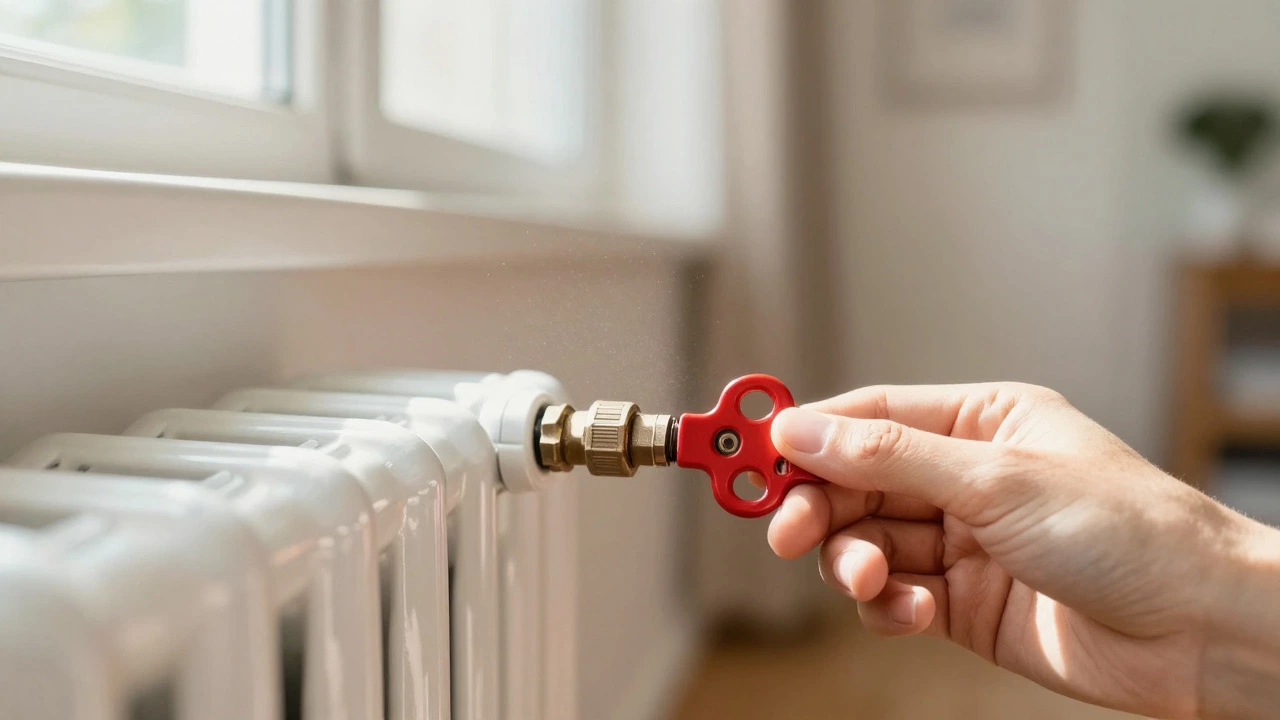
- Bleed Radiators Annually: Air pockets cause cold spots and force the boiler to pump harder. It takes five minutes and requires only a radiator key.
- Check Pressure Gauges: Most modern boilers have a pressure gauge. It should sit between 1 and 1.5 bar. If it drops below 1, the system might be leaking, or you need to repressurize it. If it’s consistently low, call a pro-it could be a hidden leak.
- Keep Vents Clear: Ensure air vents near the boiler are not blocked by curtains, boxes, or furniture. Boilers need oxygen to burn fuel safely.
- Listen to Changes: Gurgling, banging, or whistling sounds are early warning signs. Address them immediately before they become catastrophic failures.
For landlords, investing in a high-efficiency condensing boiler reduces long-term maintenance costs. Older non-condensing models are prone to corrosion and inefficiency. Upgrading might seem expensive upfront, but it lowers the risk of emergency calls and satisfies stricter environmental regulations coming into effect in many cities by 2030.
Insurance Considerations
Does home insurance cover boiler breakdowns? Standard policies often exclude mechanical breakdowns due to wear and tear. They cover sudden accidents, like a burst pipe flooding the room, but not the slow death of a pump. To cover the boiler itself, you typically need a separate "breakdown cover" policy or a comprehensive home warranty plan.
These plans usually cost between £15 and £30 per month. They cover parts, labor, and sometimes even temporary accommodation if the heating fails completely. For landlords, this is a smart way to cap unexpected expenses. For tenants, it’s less common, but some renters’ insurance policies offer add-ons for appliance coverage. Check the fine print: most require proof of annual servicing to validate the claim.
Does the landlord have to replace the boiler?
Yes, if the boiler reaches the end of its useful life or becomes unsafe, the landlord is responsible for replacing it. Under laws like the UK's Section 11, landlords must ensure heating installations are in good repair. If repairs become uneconomical compared to replacement, the landlord must install a new unit to meet legal safety standards.
Can a landlord charge tenants for boiler servicing?
Generally, no. Routine maintenance and annual safety checks are the landlord's responsibility as part of maintaining the property's habitability. Charging tenants for these essential services may violate tenancy laws unless the damage was caused by the tenant's negligence or misuse.
How often should a boiler be serviced?
Manufacturers and safety regulators recommend an annual service. For rental properties, this is a legal requirement to produce a valid Gas Safety Certificate. Annual servicing extends the boiler's lifespan, maintains efficiency, and ensures warranty validity.
What happens if the boiler breaks and the landlord doesn't fix it?
Tenants can contact local housing authorities or health and safety officers. In severe cases, tenants may arrange repairs themselves and deduct the cost from rent, but this varies by location and requires careful documentation. Always consult local tenant rights organizations before taking unilateral action.
Is boiler maintenance covered by home insurance?
Standard home insurance usually covers accidental damage but excludes wear and tear. To cover breakdowns, you need a specific boiler breakdown policy or home warranty. These plans typically require proof of annual maintenance to honor claims.
I am an expert in the services industry with a focus on appliance repair. My passion lies in understanding how things work and educating others in simple, engaging ways. This enthusiasm fuels my writing, where I delve into topics around appliance maintenance and troubleshooting. I aim to make these subjects clear and accessible to all readers.