
🚿 Hot Water Wait Time & Waste Calculator
It’s a frustrating morning ritual: you turn on the tap in the kitchen, and warm water flows instantly. But when you head to the bathroom for your shower, it’s an icy blast that takes five minutes to break through. If this sounds familiar, you’re not dealing with a broken water heater is a device that heats water for domestic use, typically located in a utility room or garage. You’re likely facing a circulation issue. The difference in temperature between two points in your home usually points to how water moves through your pipes, not how well the tank heats it.
The core problem is often what we call "stagnant water." When hot water sits in a long pipe run-like the one leading to a distant bathroom-it cools down against the cold walls of your house. By the time you open the tap, you’re flushing out that cooled water before the fresh hot supply from the tank arrives. This is distinct from a failing heating element or a clogged filter, which would affect all taps equally.
Understanding the Circulation Loop Problem
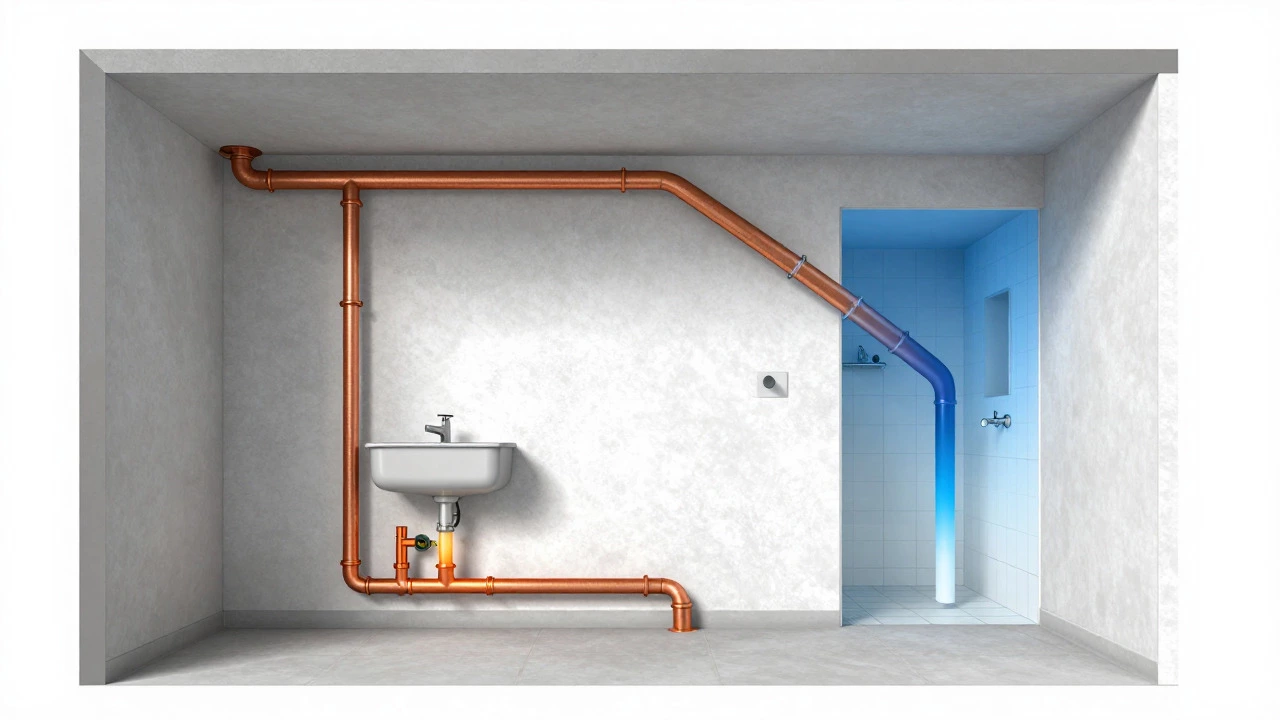
To fix this, you first need to understand where the heat is leaking. In most homes, the plumbing system is a network of pipes that distributes water throughout a building, consisting of supply lines and drainage channels. consists of separate supply lines for hot and cold water. If the distance from your water heater is an appliance that stores and heats water, commonly powered by gas, electricity, or solar energy. to the bathroom is significantly longer than to the kitchen, the bathroom pipes have more surface area exposed to ambient air. This causes greater heat loss over time.
Consider the physics: if your kitchen tap is 5 meters from the tank and your bathroom tap is 15 meters away, the bathroom line holds three times as much water. That extra volume cools faster. When you open the kitchen tap, you only flush a small amount of cooled water. When you open the bathroom tap, you have to push out a large column of lukewarm or cold water before the hot front reaches the faucet. This isn't a malfunction; it's thermodynamics working against you.
Checking for Thermal Expansion and Pressure Issues
While distance is the primary culprit, other factors can exacerbate the problem. One common suspect is thermal expansion is the increase in volume of a substance when heated, which in plumbing systems creates pressure build-up in closed loops.. Modern homes are tightly sealed to save energy, but this traps expanding water inside the pipes. As the water heater heats the water, its volume increases. If there’s no place for this extra volume to go, pressure builds up. High pressure can force water back into the cold supply line or cause the pressure relief valve is a safety device installed on water heaters to release excess pressure and prevent tank rupture. to leak intermittently. This pressure fluctuation can disrupt the flow balance, making hot water delivery inconsistent.
You can test this by checking your static water pressure. If your home has a high-pressure booster pump, it might be pushing water too aggressively through the system, causing turbulence that mixes cold and hot water prematurely. Conversely, if the pressure is too low, the hot water may not travel far enough down the pipe to reach the distant bathroom tap quickly.
The Role of Mixing Valves and Thermostats
If the water at the bathroom tap is eventually hot, but takes forever to arrive, the issue is likely just the distance. However, if the water stays lukewarm even after running for ten minutes, you might have a faulty mixing valve is a component that blends hot and cold water to achieve a specific set temperature, commonly found in showers and baths.. These valves are designed to maintain a constant temperature. If the internal diaphragm wears out or debris gets stuck, the valve may default to a cooler setting or fail to open fully to let hot water through.
In New Zealand, many homes use thermostatic shower valves. These devices sense the output temperature and adjust the mix accordingly. If the sensor is calibrated incorrectly, it might think the water is hotter than it actually is, restricting the hot water inlet. Cleaning or replacing the cartridge in these valves is a common DIY fix that resolves half of all "lukewarm shower" complaints. Before calling a plumber, try adjusting the manual bypass lever on your shower valve to see if you can get hotter water. If you can, the thermostat mechanism is likely the weak link.
Insulation: The Most Cost-Effective Fix
The simplest solution to the "cold bathroom water" problem is reducing heat loss along the pipe run. pipe insulation is a material wrapped around pipes to reduce heat transfer and prevent freezing, typically made of foam or rubber. acts as a barrier, slowing down the cooling process. If your hot water pipes run through unheated spaces like ceilings, crawlspaces, or external walls, they lose heat rapidly. Insulating these sections can keep the water warmer for longer periods between uses.
You don’t need professional-grade materials for this. Standard foam tube insulation available at hardware stores works well. Wrap the entire length of the hot water pipe from the heater to the bathroom fixture. Pay special attention to joints and bends, as these are often missed. In colder regions, or during winter months, insulated pipes can retain usable heat for up to 30 minutes after the last use, compared to just 5 minutes for uninsulated pipes. This means less waiting and less wasted water while you wait for the hot supply to arrive.
Recirculation Systems: The High-Tech Solution
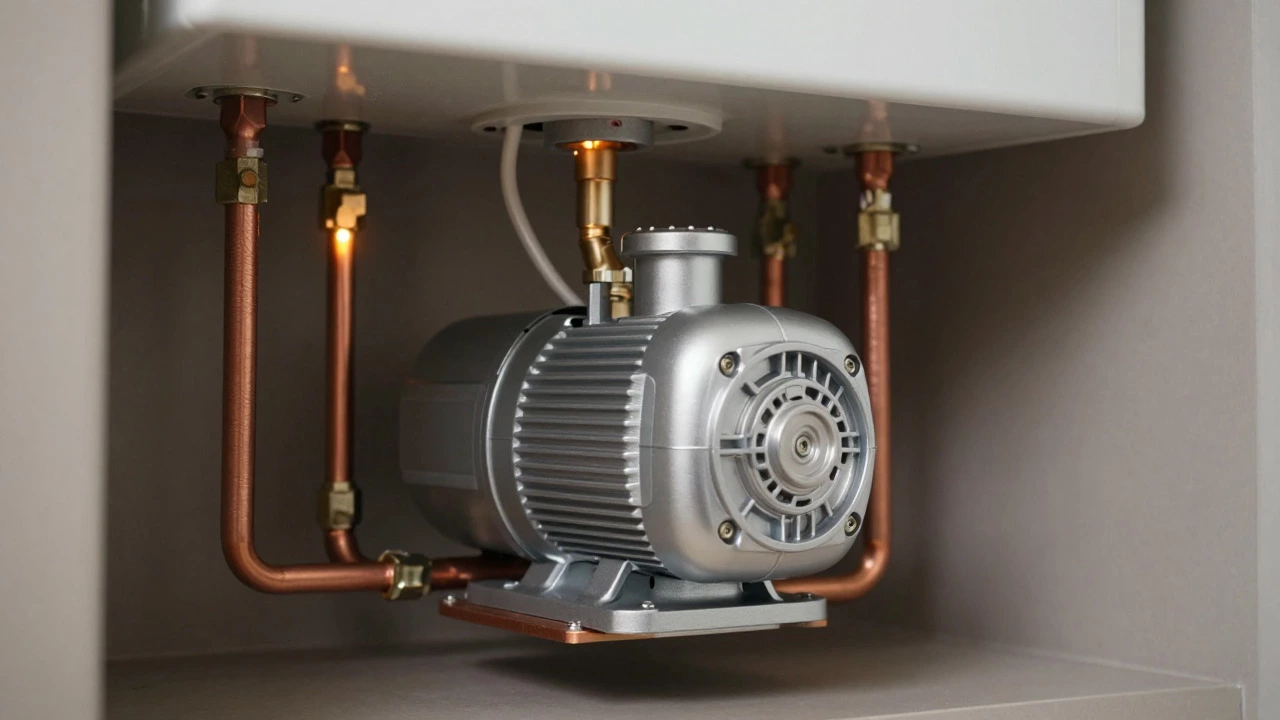
If insulation isn’t enough, or if you simply hate waiting, a recirculation pump is the ultimate fix. A recirculation pump is a mechanical device that continuously circulates hot water through the plumbing loop to ensure instant hot water at any tap. creates a continuous loop between the water heater and the furthest fixture. It pumps hot water back to the tank instead of letting it sit in the pipes. When you turn on the tap, hot water is already there. No waiting. No wasted gallons.
There are two main types: whole-house recirculators and point-of-use pumps. Whole-house systems require a return line (often using the cold water pipe via a check valve) and cost more to install. Point-of-use pumps are smaller units installed near the bathroom, which only recirculate water to that specific fixture. They are cheaper and easier to install but only solve the problem for that one location. For a typical New Zealand home, a point-of-use pump for the master bathroom is often the best value proposition, costing a fraction of a full-system retrofit.
| Solution | Cost Range (NZD) | Effectiveness | DIY Difficulty |
|---|---|---|---|
| Pipe Insulation | $50 - $150 | Moderate (Reduces wait time by 20-30%) | Easy |
| Clean/Replace Mixing Valve | $100 - $300 | High (If valve is faulty) | Moderate |
| Point-of-Use Recirculator | $400 - $800 | Very High (Instant hot water at specific tap) | Hard |
| Whole-House Recirculator | $1,500 - $3,000 | Maximum (Instant hot water everywhere) | Professional |
When to Call a Professional Plumber
Most of the issues above can be managed with basic tools and some patience. However, certain signs indicate a deeper problem that requires professional intervention. If you hear banging noises (water hammer) when turning off the tap, your pipes may lack proper support or have loose fittings. If the water pressure drops significantly when multiple taps are open, you might have a partial blockage in the main supply line. And if your water heater is an appliance that stores and heats water, commonly powered by gas, electricity, or solar energy. is over 10 years old, consider that sediment buildup in the tank may be restricting flow or insulating the heating elements, reducing efficiency.
A licensed plumber can perform a pressure test to rule out leaks and inspect the internal components of your water heater. They can also assess whether your home’s layout is suitable for a recirculation system without major renovation work. In Wellington, where older housing stock is common, pipe corrosion can also contribute to flow restrictions. Regular maintenance checks every two years can catch these issues before they become expensive repairs.
Frequently Asked Questions
Why does my kitchen sink get hot water faster than the bathroom?
The kitchen sink is usually closer to the water heater. Shorter pipe runs mean less water sits in the pipes to cool down. When you open the kitchen tap, you only flush a small amount of cooled water. The bathroom, being further away, has a longer column of water that must be flushed out before the hot supply arrives.
Is it normal for hot water to take 5 minutes to arrive in the bathroom?
Yes, it is normal if the bathroom is far from the water heater. The general rule of thumb is that you should expect about 1 minute of wait time for every 10 meters of pipe distance. If your bathroom is 15 meters away, a 3-5 minute wait is expected without a recirculation system. If it takes longer than this, check for blockages or low pressure.
Will installing a recirculation pump increase my water bill?
Not necessarily. While the pump uses electricity, you save money by not wasting water while waiting for it to heat up. On average, households waste 20-30 liters of water per day waiting for hot water. Over a year, this adds up to significant savings on both water and energy bills, especially if you have a metered water supply.
Can I fix the cold water issue myself?
Yes, for simple issues like cleaning aerators, checking mixing valves, or adding pipe insulation. These are manageable DIY tasks. However, if you suspect a pressure problem, a leak, or need to install a recirculation pump, it is safer to hire a licensed plumber to ensure compliance with local building codes and avoid damaging your plumbing system.
Does the type of water heater matter for this problem?
Yes. Tankless water heaters heat water on demand, so there is no stored hot water sitting in a tank. However, the pipe distance still matters. With a tankless system, you might experience a slightly shorter wait time because the water doesn't cool down in a large storage tank, but the long pipe run to the bathroom will still cause a delay. Recirculation systems are highly compatible with tankless heaters and are often recommended for them.
I am an expert in the services industry with a focus on appliance repair. My passion lies in understanding how things work and educating others in simple, engaging ways. This enthusiasm fuels my writing, where I delve into topics around appliance maintenance and troubleshooting. I aim to make these subjects clear and accessible to all readers.