Oven Longevity & Repair Calculator
Bosch
Engineering StandardWhirlpool
Reliable WorkhorseGE
American StapleSamsung
Feature RichLG
Inverter Tech2. Repair vs. Replace Calculator
Enter the details of your current situation to see if you should fix or buy a new one.
Brand Analysis
Financial Verdict
Please select a brand and enter costs.
There is nothing more frustrating than standing in your kitchen with a tray of half-baked lasagna because your oven has suddenly decided to stop heating. You check the manual, you reset the breaker, and still, nothing happens. Now you are faced with a choice: call for an expensive electric oven repair service or bite the bullet and buy a new one. But if you do buy a new one, how do you ensure it doesn't become a disposable appliance that dies in three years?
The question isn't just about which brand looks best in a showroom. It is about engineering, build quality, and the availability of parts when things inevitably go wrong. As someone who has spent years diagnosing faults in Wellington kitchens, I can tell you that longevity is rarely about marketing hype. It is about specific design choices made by manufacturers decades ago that still hold up today.
The Reality of Oven Lifespans
Before we look at specific brands, we need to set realistic expectations. The average modern oven lasts between 10 to 15 years. This is a significant drop from the appliances built in the 1970s and 80s, which often ran for 20 years or more. Why the difference? Modern ovens are packed with electronics. They have touchscreens, complex control boards, sensors, and smart connectivity features. While these add convenience, they also introduce points of failure that didn't exist in simpler machines.
A basic mechanical oven with dial controls has fewer things that can break. A digital oven with a glass door and a Wi-Fi module has many more components that can fail due to heat stress, humidity, or power surges. When evaluating which brand lasts the longest, you are really asking which brand builds the most robust electronic and mechanical systems.
Top Brands for Longevity: The Heavy Hitters
Not all brands are created equal. Some prioritize sleek aesthetics over durability, while others focus on industrial-grade components. Here are the brands that consistently rank highest for reliability and lifespan based on repair data and consumer reports.
| Brand | Average Lifespan | Key Strength | Common Failure Point |
|---|---|---|---|
| Bosch | 13-16 years | Build quality & insulation | Electronic control board |
| Whirlpool | 12-15 years | Parts availability | Door seals & hinges |
| GE (General Electric) | 12-14 years | Repair network size | Heating elements |
| Samsung | 8-10 years | Features & speed | Touchscreen panels |
| LG | 9-11 years | Inverter technology | Main control board |
Bosch: The Engineering Standard
Bosch ovens are widely regarded as some of the most durable units on the market. Their strength lies in their construction. Bosch uses thicker steel for the cavity and high-quality insulation materials that protect the internal components from excessive heat exposure. Heat is the enemy of electronics, so better insulation means longer life for the control boards and wiring.
If you buy a Bosch, you are paying for precision engineering. Their motors and fans tend to run quieter and last longer than competitors. However, be aware that when a Bosch does fail, the repairs can be pricey because the parts are specialized. But statistically, you will likely make fewer calls to the repair technician compared to other brands.
Whirlpool: The Reliable Workhorse
Whirlpool takes a different approach to longevity. Instead of using exotic materials, they focus on simplicity and serviceability. Whirlpool ovens are designed to be easy to repair. This might sound counterintuitive, but an appliance that is easy to fix is often built with standard, robust components that don't require delicate handling.
The biggest advantage of Whirlpool is parts availability. If a part breaks after ten years, you can almost always find a replacement cheaply and quickly. This extends the practical lifespan of the oven significantly. You aren't forced into buying a new unit just because a $50 thermostat is out of stock. For homeowners who want a "set it and forget it" appliance that won't leave them stranded if it breaks, Whirlpool is a top contender.
GE: The American Staple
GE (General Electric) has been making appliances for over a century, and their reputation for durability remains strong. GE ovens are known for their sturdy doors and heavy-duty hinges. In my experience, GE doors tend to stay aligned longer than those of many European brands, which reduces strain on the locking mechanisms and seals.
GE also has a massive network of authorized service technicians. This means that even if you move to a different city, finding someone who knows how to service your specific model is easier. Their mid-range models, particularly the Profile series, offer a good balance of features and ruggedness without the premium price tag of high-end luxury brands.
Brands That Struggle with Longevity
It is equally important to know which brands may not meet your expectations for a 15-year lifespan. This isn't to say these brands are bad-they often offer great features and value-but they typically have shorter lifecycles.
Samsung and LG
Samsung and LG dominate the market with innovative features like steam injection, convection cooking, and smart home integration. However, this complexity comes at a cost. These brands rely heavily on digital interfaces and sensitive sensors. Over time, the constant heating and cooling cycles cause solder joints on circuit boards to crack and screens to become unresponsive.
If you choose Samsung or LG, expect a fantastic experience for the first seven to nine years. After that, the likelihood of needing a major electronic repair increases. If you plan to keep your oven for 15+ years, these brands might require more maintenance or earlier replacement than Bosch or Whirlpool.
Factors That Determine How Long Your Oven Lasts
Even the best brand cannot guarantee longevity if the oven is mistreated. Several external factors play a huge role in how long your appliance survives.
- Cleaning Habits: Grease and food debris can clog vents and insulate heating elements, causing them to overwork and burn out. Regular cleaning with appropriate agents prevents this buildup.
- Power Stability: Voltage spikes can fry the main control board instantly. Using a surge protector or ensuring your home's electrical system is grounded can save thousands in replacement costs.
- Usage Intensity: An oven used daily for baking bread will wear out faster than one used occasionally for roasting chicken. Frequent opening of the door causes thermal shock to the glass and internal components.
- Installation Quality: Improper ventilation around the oven can cause overheating of the rear panel, damaging internal wiring and electronics.
When to Repair vs. When to Replace
Deciding whether to invest in electric oven repair or buy a new unit depends on the age of the appliance and the cost of the repair. A general rule of thumb is the "50% Rule": if the repair cost is more than 50% of the price of a new equivalent oven, and the current oven is older than 10 years, replacement is usually the smarter financial decision.
However, there are exceptions. If your oven is a high-end model that cost $2,000 or more, spending $300 on a new control board makes sense. Conversely, if you have a budget model that cost $600, spending $300 on repairs is hard to justify. Always get a detailed quote from a certified technician before making this decision.
Tips to Extend Your Oven's Life
You can actively extend the lifespan of your oven with simple maintenance practices. These steps are often overlooked but make a significant difference in long-term reliability.
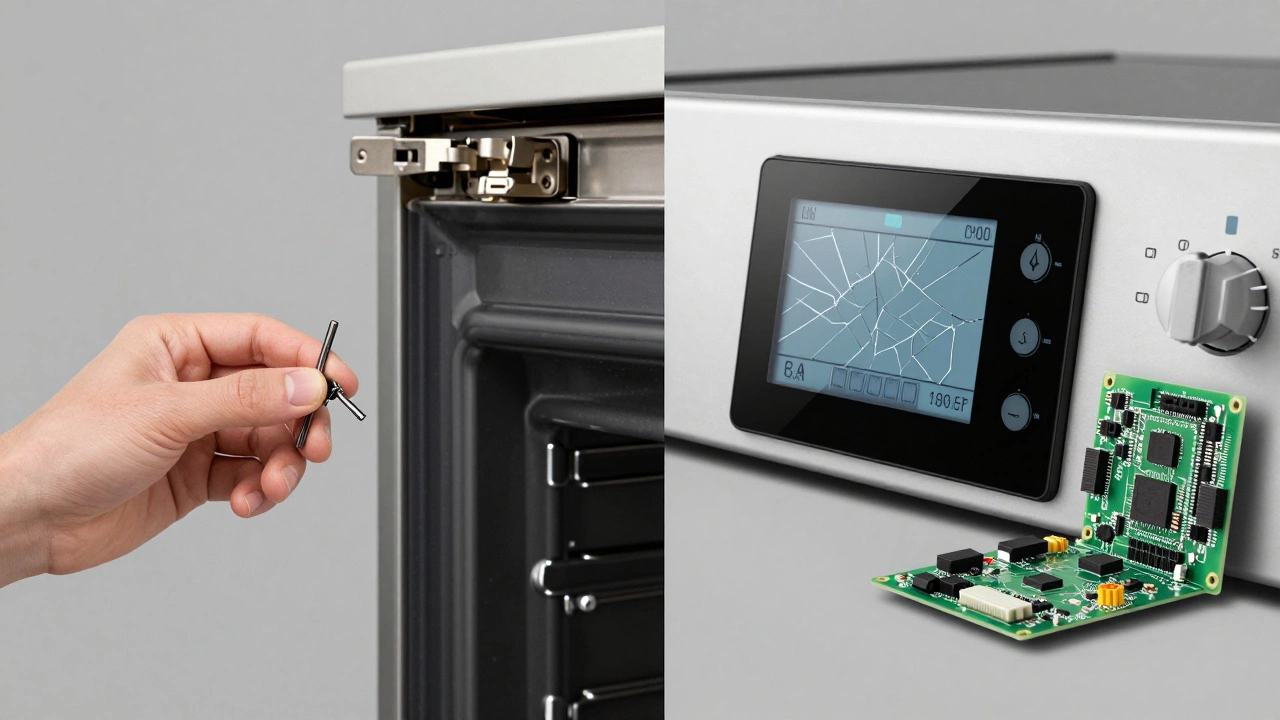
- Inspect Door Seals: Check the gasket around the door annually. If it is cracked or loose, heat escapes, forcing the heating elements to work harder. Replacing a seal is cheap and easy.
- Avoid Abrasive Cleaners: Harsh scrubbing pads can damage the enamel coating inside the oven. Once the enamel chips, rust can form, leading to structural weakness. Use gentle cleaners or the self-cleaning cycle sparingly.
- Don't Overuse Self-Clean: The self-cleaning cycle reaches extremely high temperatures. Doing this too frequently can degrade the door glass and internal insulation. Limit self-cleaning to once or twice a year.
- Keep Vents Clear: Ensure that the bottom front vent of the oven is not blocked by rugs or cabinets. Proper airflow keeps the internal electronics cool.
Conclusion on Brand Choice
So, which oven brand lasts the longest? If you prioritize pure build quality and minimal breakdowns, Bosch is the clear winner. If you want ease of repair and parts availability, Whirlpool offers the best peace of mind. For a balance of durability and widespread service support, GE is a solid choice.
Avoid brands that rely heavily on fragile digital interfaces if your goal is a 15-year lifespan. Remember, the most expensive oven isn't necessarily the most durable. Look for models with simple, robust controls and high-quality insulation. By choosing wisely and maintaining your appliance properly, you can ensure your oven serves you reliably for many years to come.
What is the average lifespan of a Bosch oven?
A Bosch oven typically lasts between 13 and 16 years. This is due to their high-quality insulation and robust internal components that resist heat damage better than many competitors.
Is it worth repairing a 12-year-old oven?
It depends on the repair cost. If the repair is less than 50% of the price of a new oven, it is usually worth fixing. However, if the oven is a basic model, replacement might be more cost-effective in the long run.
Which oven brand has the easiest-to-find replacement parts?
Whirlpool is known for having the most accessible and affordable replacement parts. This makes it easier and cheaper to maintain Whirlpool ovens over their lifetime compared to niche or luxury brands.
Do Samsung ovens break down frequently?
Samsung ovens have a higher rate of electronic failures compared to traditional brands like Bosch or GE. Their complex touchscreens and control boards are more susceptible to heat-related issues over time.
How can I prevent my oven from breaking early?
Regular cleaning, avoiding abrasive cleaners, inspecting door seals annually, and not overusing the self-clean function are key steps to extending your oven's lifespan.
I am an expert in the services industry with a focus on appliance repair. My passion lies in understanding how things work and educating others in simple, engaging ways. This enthusiasm fuels my writing, where I delve into topics around appliance maintenance and troubleshooting. I aim to make these subjects clear and accessible to all readers.