Boiler Replacement Cost Estimator (2026)
Estimate Summary
Quick Cost Breakdown
- Entry-level Combi: £1,500 - £2,500
- Mid-range System Boiler: £2,000 - £3,500
- Premium High-Efficiency Models: £3,500 - £6,000+
- Average Installation Labor: £500 - £1,500
Understanding the Core Tech: What Are You Actually Buying?
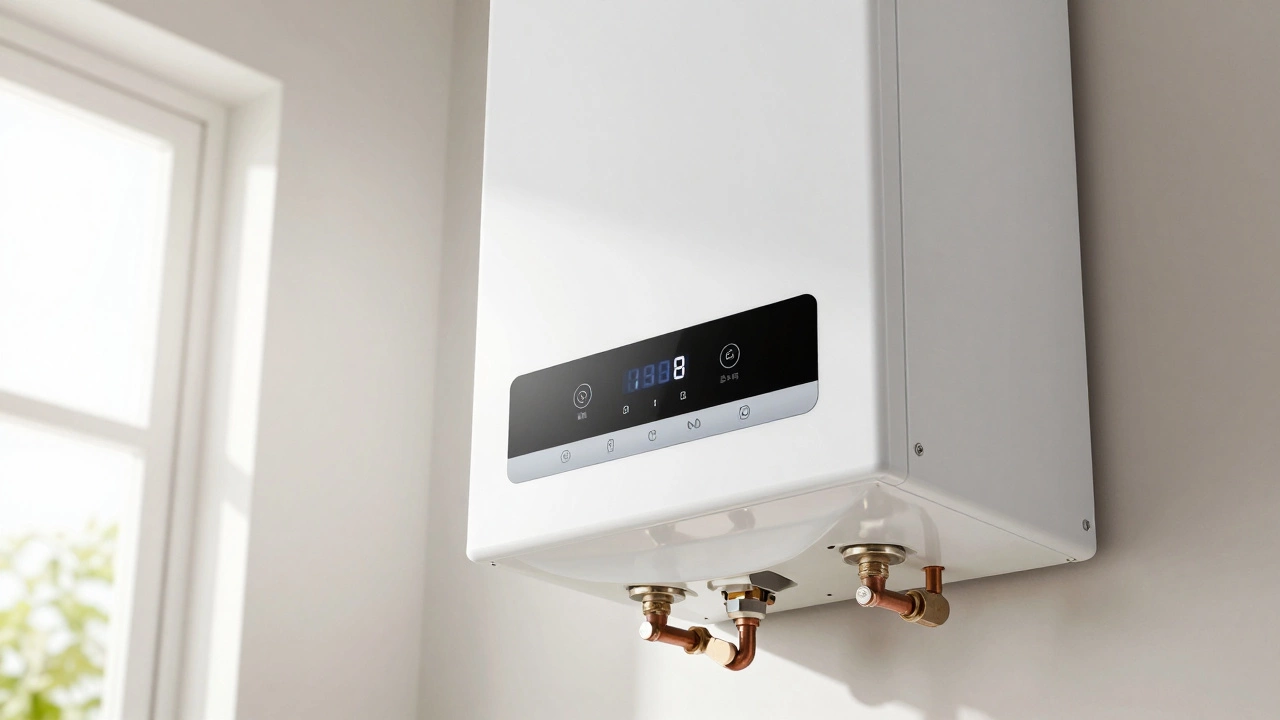
Before you look at a price tag, you need to know what's under the hood. The most common choice today is the condensing boiler is a high-efficiency heating system that captures waste gases to warm the home more effectively. Unlike old non-condensing models that let heat escape up the flue, these units recycle that energy, often hitting efficiency ratings of 90% to 95%. If you're upgrading from a 15-year-old unit, this switch alone can shave 10-20% off your monthly gas bill.
Then there's the choice of type. A Combi Boiler (combination) is the go-to for smaller homes. It heats water on demand and doesn't need a separate tank, saving you massive amounts of cupboard space. However, if you have a four-bedroom house with three bathrooms running simultaneously, a Combi might leave you with a lukewarm shower. That's where a System Boiler comes in. It works with a Unvented Cylinder (a large hot water tank), providing a steady pressure of hot water to multiple taps at once.
Breaking Down the Price: Parts vs. Labor
When you get a quote for a new boiler cost, it's rarely just for the machine. You're paying for a package. The actual unit-the chassis and heat exchanger-usually makes up about 60-70% of the cost. The rest is the "invisible" work. This includes the flue (the pipe that vents carbon monoxide outside), the installation of a magnetic filter to stop sludge from killing your new warranty, and the labor of a certified engineer.
| Boiler Type | Average Unit Price | Typical Labor Cost | Best For... |
|---|---|---|---|
| Combi Boiler | £1,200 - £2,800 | £600 - £1,200 | Flats & Small Houses |
| System Boiler | £1,500 - £3,200 | £800 - £1,500 | Medium to Large Family Homes |
| Heat Pump (Air Source) | £4,000 - £12,000 | £1,500 - £3,000 | Eco-conscious / New Builds |
Hidden Costs That Could Blow Your Budget
It's easy to agree to a quote and then get hit with "extras" halfway through the job. One of the biggest culprits is the Gas Pipeline. If your old boiler was a different size or if the pipes are corroded, the engineer may need to run new copper piping. This can add £200 to £500 to the bill unexpectedly.
Then there's the flue. If the engineer finds that your existing flue doesn't meet the latest 2026 safety regulations, they'll have to drill new holes through your exterior wall. This isn't just a 10-minute job; it involves sealing and potentially repositioning the unit. Also, don't forget the system flush. If you just slap a new boiler onto old, dirty radiators, you'll likely burn out the new heat exchanger within a few years. A professional power flush usually costs between £150 and £300 but is non-negotiable for a long-lasting system.
Is It Worth It? Repair vs. Replace
You might be wondering if you can just keep patching up the old unit. A good rule of thumb is the 50% rule: if the repair cost is more than 50% of the cost of a new, energy-efficient model, replace it. For example, if a motherboard failure and a leak cost you £600 on a 12-year-old boiler, you're spending money on a sinking ship. You aren't just losing the repair cost; you're losing the monthly savings a modern A-rated boiler provides.
Consider the Warranty Period. Most new installations come with a 5 to 12-year guarantee. When you repair an old unit, you usually only get a 30-day or 1-year warranty on the specific part replaced. The peace of mind that comes with a decade-long guarantee is often worth the upfront investment.
The Shift Toward Electrification
By 2026, the conversation has shifted heavily toward Heat Pumps. While the initial cost is significantly higher-often double or triple a gas boiler-the long-term math is changing. Government grants and carbon taxes on gas are making electricity-based heating more attractive. Heat pumps don't burn fuel; they move heat from the outside air into your home. If you have the budget and a well-insulated house, this is the most future-proof move you can make.
However, for most people, a high-efficiency gas boiler remains the practical middle ground. It's a known quantity with a straightforward installation process and a massive network of engineers who know how to fix them. If you're on a budget, sticking with a reputable brand like Worcester Bosch or Vaillant usually ensures that parts will be available for the next 20 years.
How long does a typical boiler installation take?
For a straightforward "swap" where the new boiler is the same type and in the same location as the old one, it usually takes one day. However, if you're switching from a system to a combi, or moving the boiler to a different room, expect the job to take 2 to 4 days due to the extra plumbing and electrical work required.
Can I buy the boiler myself to save money?
You can, but it's risky. Many manufacturers will only honor the full 10-year warranty if the unit is supplied and installed by an accredited professional. If you buy it from a warehouse and hire a cheap local guy who isn't certified, you might void your warranty entirely. It's usually better to let the installer handle the procurement.
What is the most efficient boiler type?
Condensing boilers are the gold standard for gas. They are far more efficient than the old non-condensing models. If you want to go beyond gas, Air Source Heat Pumps are the most efficient way to heat a home overall, as they provide more heat energy than the electricity they consume.
Why are some quotes so much higher than others?
Price variance usually comes down to three things: the brand of the boiler, the quality of the installation (e.g., whether they include a system flush and magnetic filter), and the engineer's certification level. Avoid the lowest quote if it doesn't include a full system clean; you'll likely pay for it in repairs later.
Do I need a new radiator system when I get a new boiler?
Not usually, but you should check if your current radiators are compatible with the new boiler's flow temperature. Modern condensing boilers work best at lower temperatures. If your radiators are very small, you might need to add a few more to get the same amount of heat into the room without cranking the boiler to a less efficient temperature.
Next Steps for Your Home
If you've decided it's time for a change, start by gathering three distinct quotes. One from a big national firm and two from local, certified independent engineers. This gives you a baseline for the market rate. Make sure every quote explicitly mentions the warranty length and whether a system flush is included. If you're feeling adventurous, ask about heat pump grants; the 2026 subsidies can often knock thousands off the installation cost, making the jump to green energy much more realistic.
I am an expert in the services industry with a focus on appliance repair. My passion lies in understanding how things work and educating others in simple, engaging ways. This enthusiasm fuels my writing, where I delve into topics around appliance maintenance and troubleshooting. I aim to make these subjects clear and accessible to all readers.