Washing Machine Problem Solver
Select the issue you are experiencing to get a likely diagnosis, difficulty level, and recommended action based on common mechanical failures.
Your washing machine stops spinning. It leaks water on the kitchen floor. Or maybe it just makes a sound like a blender crushing rocks. These aren't random acts of sabotage; they are mechanical failures of specific components. When you ask what parts fail in a washing machine, you are usually looking at one of a handful of culprits that wear out due to friction, heat, or simple age.
Understanding these failure points saves you money. You don't need to replace the whole unit when a $20 seal is leaking. Knowing which part does what helps you diagnose the issue before calling a technician who might charge you for a diagnosis fee alone. Let's look at the anatomy of a breakdown.
The Door Seal: The Most Common Leak Source
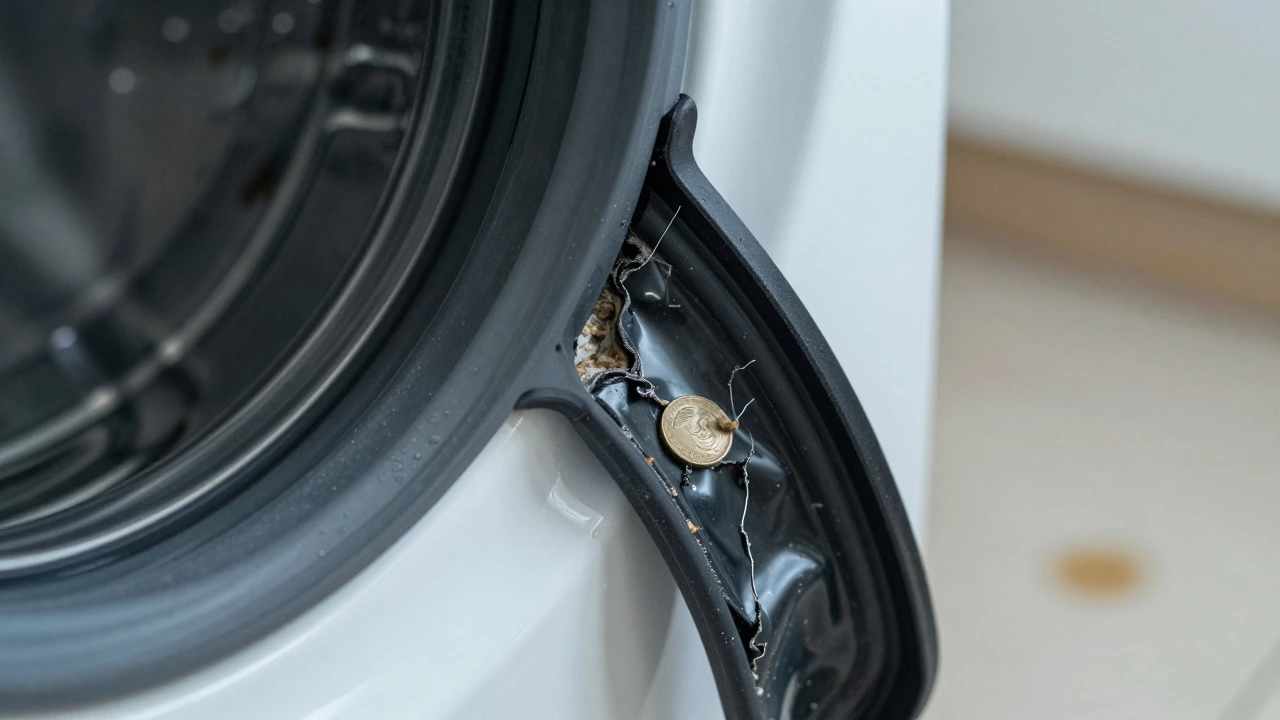
If your washing machine is leaving a puddle under the door, check the rubber boot first. This component, often called the door gasket, creates an airtight and watertight barrier between the drum and the outer cabinet. Over time, this rubber degrades. It becomes brittle, cracks, or develops small tears where water can escape during the spin cycle.
You might also find debris trapped in the folds of the seal. Coins, hairpins, and lint get stuck here. If left unchecked, this moisture buildup breeds mold. That black, slimy residue you see isn't just dirt; it's bacterial growth caused by stagnant water trapped against the rubber. Replacing the door seal is a moderate DIY job. You usually have to remove the front panel or the top lid to access the clips holding the seal in place.
| Symptom | Likely Culprit | Difficulty Level |
|---|---|---|
| Water leaking from front bottom | Door Gasket / Seal | Medium |
| Loud grinding noise during spin | Bearings | Hard |
| Machine won't start or drain | Control Board / Drain Pump | Easy to Medium |
| Clothes not clean / Smelly | Detergent Drawer / Filter | Easy |
Bearings and Bushings: The Noise Makers
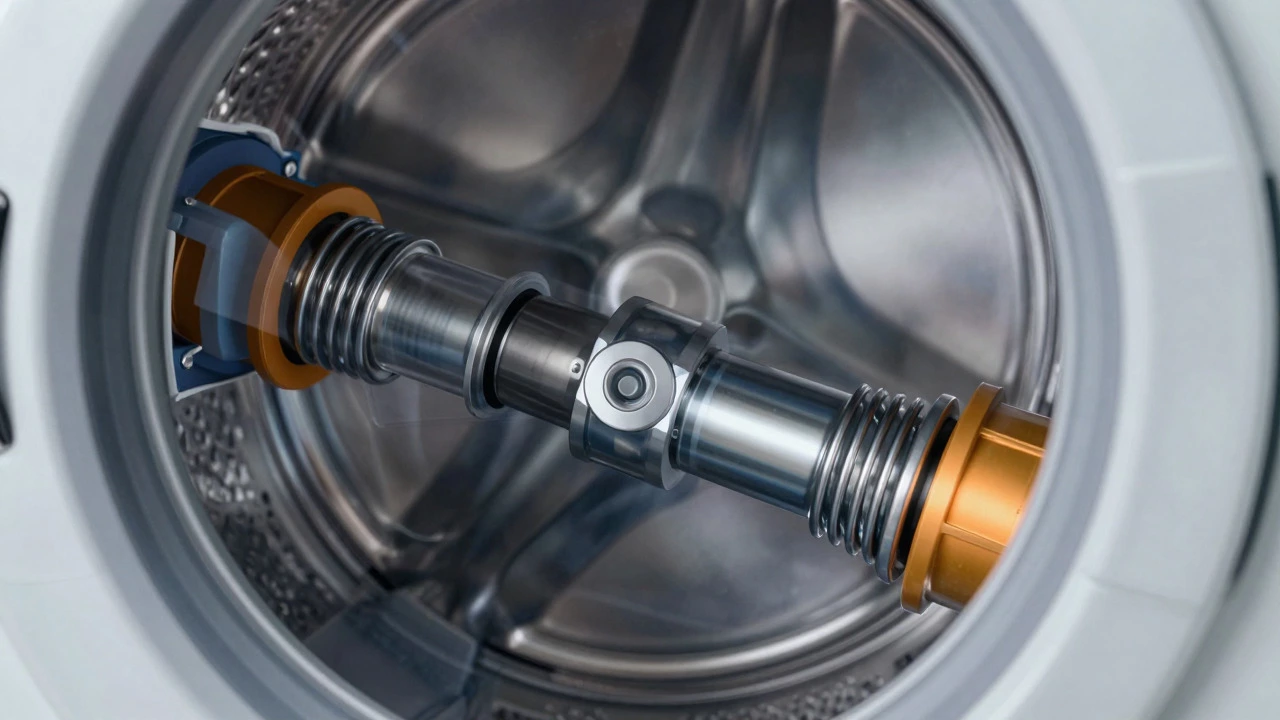
When your washing machine sounds like a jet engine taking off, the problem is likely inside the tub assembly. The drum bearings support the weight of wet clothes while spinning at high speeds. They are sealed units designed to last years, but eventually, the grease dries out or water gets past the seals.
Once the bearings fail, metal grinds against metal. This creates a loud roaring or grinding noise. More importantly, as the bearings disintegrate, the inner drum wobbles. This imbalance can damage the suspension springs and shock absorbers. Fixing bearings is not a quick fix. In most modern machines, you have to separate the entire tub into two halves to reach them. It’s labor-intensive work that requires specialized tools to clamp and split the plastic tubs without cracking them.
The Drive Belt: Loss of Power
In many top-loading and some front-loading models, a rubber belt connects the motor to the drum pulley. If the belt snaps, the motor will run, but the drum won't turn. You'll hear the motor humming, but the laundry stays still. Belts stretch over time. A stretched belt slips, causing the drum to spin slowly or jerkily. Checking the belt is easy. Unplug the machine, open the back panel, and inspect the rubber loop. If it looks cracked, glazed, or loose, replace it. It’s one of the cheapest repairs you can make.
Drain Pump and Filter: Clogs and Leaks
If your machine fills with water but doesn't drain, the issue is often the drain pump. Small objects like socks, coins, or buttons can jam the impeller inside the pump. Alternatively, the pump motor itself might burn out due to age or electrical surges. Before assuming the pump is dead, check the filter. Located behind a small access panel at the bottom front of the machine, the filter catches debris. If it's clogged, water can't flow through. Clean the filter regularly to prevent pump strain.
Control Board and Sensors: Electronic Glitches
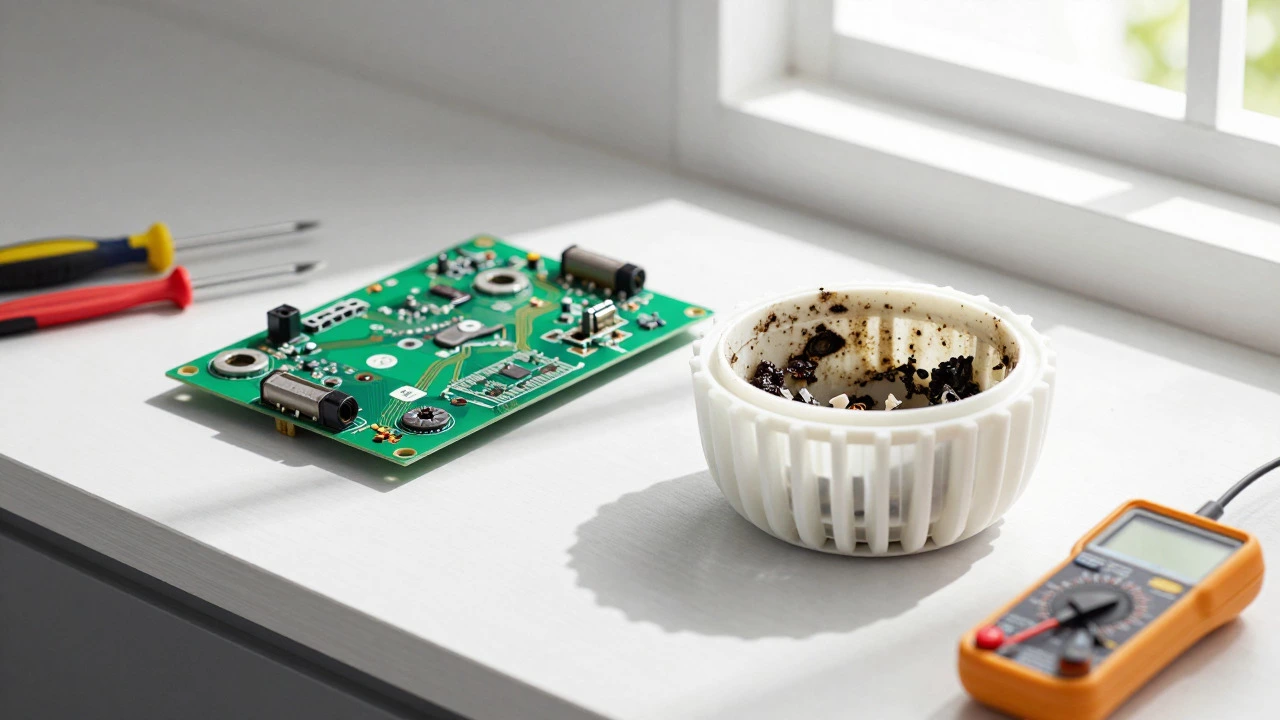
Modern washing machines are computers with wheels. The control board manages everything from fill times to spin speeds. If the display is blank, or if the machine runs cycles randomly, the board might be fried. Moisture intrusion is a common killer of electronics. If a leak occurs near the board, corrosion sets in quickly. Sometimes, the issue isn't the brain but the senses. Pressure switches detect water levels. If this switch fails, the machine might overfill or not fill at all. Testing these sensors requires a multimeter to check for continuity.
Shock Absorbers and Suspension Springs
Front-loaders use heavy-duty shocks and springs to keep the drum stable during high-speed spins. If you notice excessive vibration, shaking, or the machine walking across the floor, the suspension system may be compromised. Shock absorbers lose their damping fluid over time. Springs can snap or sag. Replacing these parts restores stability and prevents further damage to the bearings and cabinet. It’s a straightforward swap if you can lift the machine safely.
Water Inlet Valves: Fill Problems
If your machine doesn't fill with water, or fills very slowly, the inlet valve solenoid might be blocked or failed. Mineral deposits from hard water can clog the screens inside the valve. Cleaning the screens often solves the problem. If the valve coil burns out, it needs replacement. This is an accessible part located at the back of the machine where the hoses connect.
How do I know if my washing machine bearings are bad?
The primary sign is a loud roaring or grinding noise during the spin cycle. You can also test this by manually rotating the empty drum. If it feels rough, gritty, or wobbly, the bearings are likely worn out.
Is it worth repairing an old washing machine?
It depends on the cost of parts versus the price of a new unit. Generally, if the repair costs less than 50% of a new machine and the unit is under 10 years old, it's worth fixing. Major issues like bearing failure in older models often justify buying new.
Why is my washing machine leaking from the bottom?
Leaks at the bottom usually stem from a cracked drain hose, a faulty door seal, or a damaged water inlet valve. Check the hoses for splits and inspect the door gasket for tears. Also, ensure the detergent drawer is seated correctly, as overflow can drip down to the base.
Can I replace the washing machine belt myself?
Yes, replacing a belt is one of the easiest DIY repairs. You typically need to remove the back panel, slip the old belt off the pulleys, and install the new one following the routing diagram. Make sure the machine is unplugged before starting.
What causes a washing machine to not spin?
A no-spin issue can be caused by a broken drive belt, a failed lid switch (in top loaders), a clogged drain pump preventing the spin cycle from starting, or a malfunctioning control board. Start by checking the simplest fixes like the belt and drain filter.
I am an expert in the services industry with a focus on appliance repair. My passion lies in understanding how things work and educating others in simple, engaging ways. This enthusiasm fuels my writing, where I delve into topics around appliance maintenance and troubleshooting. I aim to make these subjects clear and accessible to all readers.