Appliance Repair Cost Calculator
This tool helps you determine if it's more economical to repair or replace your appliance based on cost, age, and expected lifespan.
Result
Note: This calculator assumes average lifespan of 10-15 years for most appliances. Professional technicians can often extend your appliance's life and prevent future issues.
Ever opened your fridge and found it warm? Or noticed your washing machine spinning wildly off balance? When that happens, you don’t call an electrician or a plumber-you call an appliance technician. But what exactly do they do all day? It’s more than just swapping out parts. An appliance technician is the person who figures out why your kitchen isn’t working, fixes it, and makes sure it won’t break again soon.
They diagnose problems before they fix them
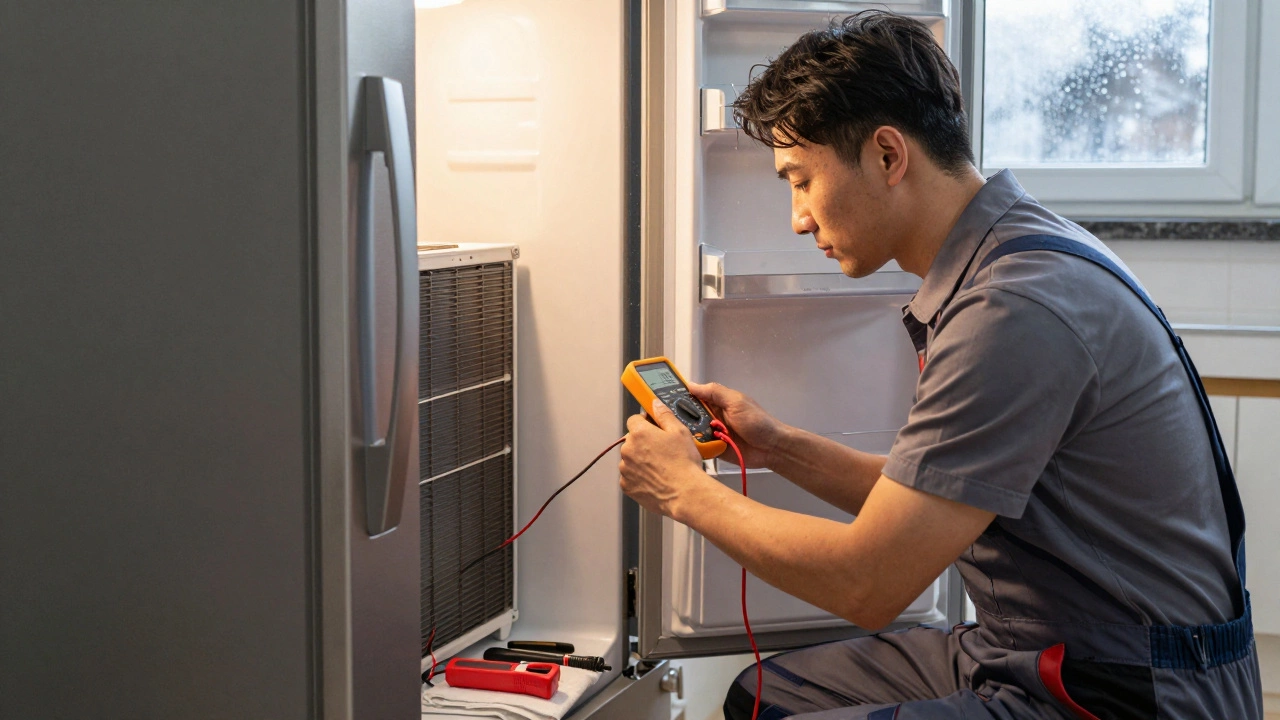
A lot of people think appliance repair is about swapping out broken parts. But that’s like saying a doctor just prescribes pills. The real job starts with diagnosis. A technician doesn’t just see a fridge that’s not cooling-they check the compressor, the condenser coils, the thermostat, the door seal, and even the power supply. They know that a faulty door gasket can cause the same symptoms as a failing compressor. They use multimeters, thermometers, and diagnostic codes built into modern machines to narrow down the issue.
In Wellington, where winters get damp and cold, frost buildup in freezers is common. A technician will check if it’s due to a defrost timer failure, a blocked drain, or just poor airflow from overpacking. They don’t guess. They test. And they document. That’s why a good technician can tell you if the problem is a simple fix or if the unit is beyond repair.
They work with all kinds of appliances
An appliance technician doesn’t specialize in just one thing. They handle refrigerators, washing machines, dryers, dishwashers, ovens, microwaves, cooktops, and even smart home appliances. Each one has its own quirks. A washing machine might fail because of a worn drum bearing, a clogged pump, or a broken control board. A dishwasher could be leaking because of a damaged seal, a faulty float switch, or incorrect installation.
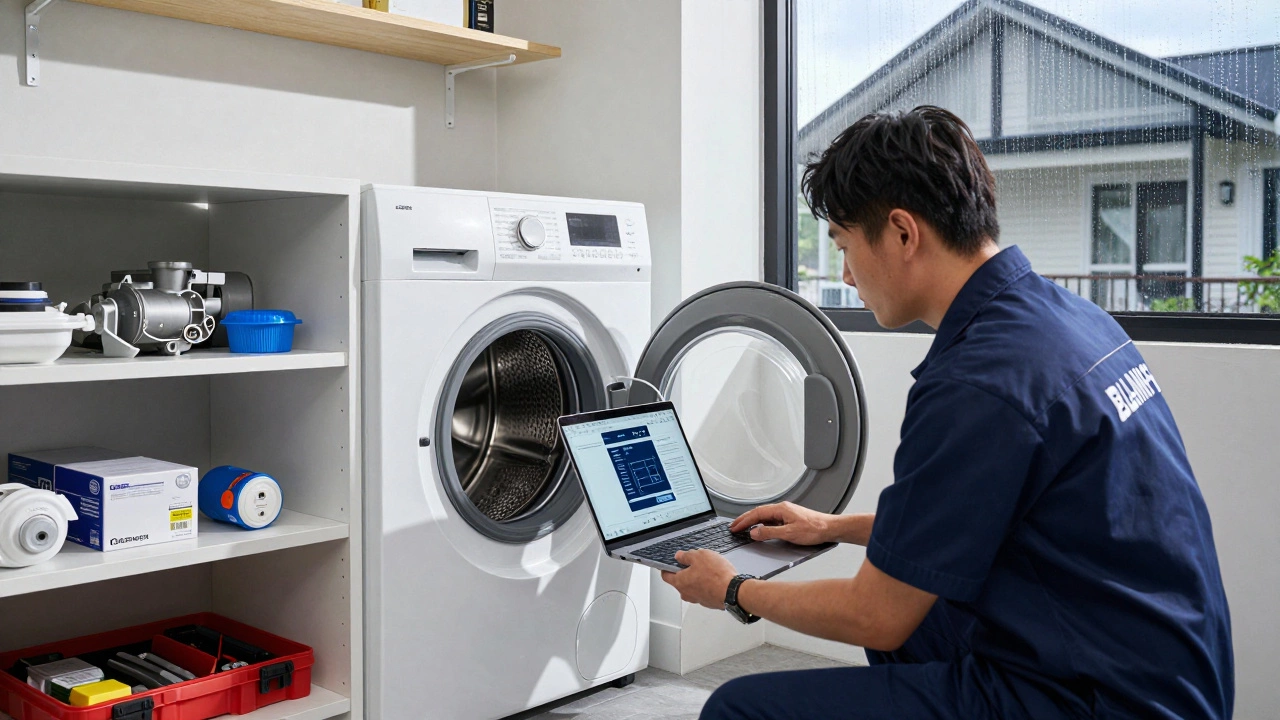
Modern appliances are full of electronics. Many now have Wi-Fi connectivity, touchscreens, and self-diagnostic modes. A technician needs to understand both mechanical systems and digital interfaces. They might need to reset a firmware error on a Samsung fridge or reprogram a control panel on a Bosch oven. It’s not just screwdrivers and wrenches anymore-it’s laptops, Bluetooth dongles, and manufacturer-specific software.
They fix what others replace
Every year, thousands of working appliances get thrown away because people think they’re broken beyond repair. But many aren’t. A technician can often fix a broken door latch on a fridge for $80 instead of replacing the whole unit for $1,500. They can replace a worn motor brush in a vacuum cleaner for under $30 instead of buying a new one. They extend the life of your appliances, save you money, and reduce waste.
In New Zealand, where repair costs are rising and landfills are filling up, this matters. Many technicians now follow the right to repair movement, advocating for access to parts, manuals, and diagnostic tools. They’re not just fixing machines-they’re fighting against planned obsolescence.
They know safety inside and out
Appliances run on electricity, gas, water, and sometimes refrigerants. One wrong move and you’ve got a fire hazard, a gas leak, or a flooded kitchen. A certified appliance technician knows how to shut off power and gas lines safely. They understand grounding, circuit protection, and pressure ratings. They wear insulated gloves, use lockout-tagout procedures, and follow NZS 3760 standards for electrical safety.
Gas appliances like cookers and boilers require special licensing. In New Zealand, only registered gasfitters can work on gas lines. Many appliance technicians are dual-certified-qualified to handle both electric and gas appliances. That’s why you’ll often see them listed as “Gas and Electric Appliance Technicians.” It’s not just a title-it’s a requirement.
They keep homes running smoothly
Think about your daily routine. You wake up, make coffee, wash clothes, cook dinner, clean dishes. All of that depends on appliances working. When your oven dies in the middle of meal prep, or your washing machine stops mid-cycle, your whole day gets thrown off. An appliance technician restores normalcy. They’re the quiet heroes who show up when things break, fix them quickly, and leave without fanfare.
They don’t just fix machines-they help families. A single parent relying on a working fridge to store baby food. An elderly person who can’t carry groceries because their freezer broke. A small business owner whose commercial dishwasher is critical to their café. These aren’t just repairs. They’re lifelines.
They’re trained, not just experienced
Not everyone who can change a fuse is a qualified technician. Most professional appliance technicians complete formal training-often through polytechnics like Whitireia or Toi Ohomai. They study electrical theory, refrigeration cycles, mechanical systems, and safety codes. Many earn certificates like the NZQA Level 3 Certificate in Appliance Repair.
They also keep learning. New models come out every year. Manufacturers update firmware, change wiring layouts, and introduce new diagnostic tools. A good technician stays up to date. They attend manufacturer training sessions, read technical bulletins, and join repair forums. You’re not just hiring someone with a toolbox-you’re hiring someone who’s invested in staying skilled.
They’re not always the cheapest option-but they’re the smartest
You might see ads for $50 fridge repairs or “fix it in 10 minutes” YouTube videos. But those often lead to more problems. Cheap repairs use low-quality parts, skip safety checks, or don’t test the fix properly. A technician who charges $120 for a service call might use OEM parts, run a full diagnostic, and offer a 90-day warranty. That’s not expensive-it’s insurance.
Think of it this way: if you paid $50 for a repair that broke again in two weeks, you’ve spent $100 total. A $120 repair that lasts two years? That’s a better deal. Plus, you avoid the hassle of calling someone again.
What to look for when hiring one
Not all technicians are the same. Here’s what to check before you hire:
- Are they licensed? For gas appliances, they must be registered with the Gas Safe Register (or NZ equivalent).
- Do they carry insurance? Accidents happen. Make sure they’re covered in case they damage your floor or wiring.
- Do they offer a warranty? A good technician stands by their work. Look for at least 30-90 days.
- Do they use genuine parts? Aftermarket parts might be cheaper, but they often fail faster.
- Can they explain the problem? If they can’t tell you in plain language why your dryer isn’t heating, walk away.
Ask for references. Check Google reviews. A technician who’s been fixing appliances in Wellington for 10 years knows how the local humidity affects electronics, how older homes have outdated wiring, and which brands tend to fail in cold climates.
When to call one
You don’t need to wait until your appliance dies completely. Here are signs it’s time to call:
- Unusual noises-grinding, buzzing, or loud thumping
- Strange smells-burning plastic, gas, or mildew
- Leaking water or gas
- Appliance won’t turn on, even after checking the outlet
- Energy bills suddenly rising without reason
- It’s over 8-10 years old and starting to act up
Don’t ignore warning signs. A small issue today can become a major breakdown tomorrow.
Is an appliance technician the same as a plumber or electrician?
No. Plumbers work on pipes, water pressure, and drainage. Electricians handle wiring, circuits, and power distribution. An appliance technician works specifically on household machines-fridges, washers, ovens, etc.-that combine both electrical and mechanical systems. Some technicians have cross-training, especially for gas appliances, but their focus is on the appliance itself, not the building’s infrastructure.
Can I fix my appliance myself?
For simple things like cleaning a filter or replacing a door seal, yes. But if you’re dealing with electrical components, gas lines, refrigerant, or control boards, don’t risk it. You could cause more damage, void your warranty, or create a safety hazard. Appliance technicians have the tools, training, and experience to do it right-and safely.
How long does a typical repair take?
Most repairs take between 1 and 3 hours. Simple fixes like replacing a thermostat or cleaning a drain can be done in under an hour. Complex issues, like a faulty compressor or a damaged control board, might take longer, especially if parts need to be ordered. Many technicians carry common parts in their vans to reduce wait times.
Do appliance technicians work on commercial appliances too?
Yes. Many technicians service both residential and commercial appliances. That includes restaurant ovens, laundry machines in laundromats, commercial freezers in supermarkets, and dishwashers in cafes. Commercial units are usually heavier-duty and require different tools and knowledge, but the core skills are the same.
Are appliance repairs covered by home insurance?
Usually not. Home insurance typically covers damage from events like floods, fires, or storms-but not wear and tear or mechanical failure. Some extended warranties or service plans include appliance repair, but standard policies don’t. Always check your policy details. If your appliance fails unexpectedly, it’s usually out-of-pocket unless you have a separate protection plan.
Final thought: They’re the unsung heroes of your home
Most people don’t think about appliance technicians until something breaks. But once you’ve had one fix your fridge in the middle of a busy week, you realize how much you rely on them. They don’t just fix machines-they keep your routine, your comfort, and your safety intact. In a world where things break faster than ever, a skilled technician is more valuable than ever.
I am an expert in the services industry with a focus on appliance repair. My passion lies in understanding how things work and educating others in simple, engaging ways. This enthusiasm fuels my writing, where I delve into topics around appliance maintenance and troubleshooting. I aim to make these subjects clear and accessible to all readers.