Washing Machine Failure Diagnostic Tool
- Won't drain or spin (wet clothes) Common
- Loud rumbling/grinding during spin Serious
- Unresponsive buttons or random starts Electronic
- Leaking from front door area Moderate
- Motor runs but no agitation/spin Easy Fix
Please select a symptom on the left to see the likely cause, DIY difficulty, and estimated repair cost.
You hear that ominous gurgling sound. The cycle stops halfway through. Or maybe your clothes come out soaking wet and smelling like mildew. Whatever the symptom, you’re probably wondering: what is the most common washing machine failure? It’s not always the big, expensive part you fear. In fact, for many households, the culprit is something surprisingly simple.
Before you call a technician or start tearing the panel off with a screwdriver, let’s look at what actually breaks most often. Understanding the root cause saves you time, money, and the headache of buying replacement parts that don’t fit.
The #1 Culprit: Clogged Drain Pumps and Filters
If we had to pick one single point of failure that tops the list globally, it’s the drain pump being blocked by debris. This isn’t necessarily a mechanical break; it’s a maintenance issue that turns into a breakdown.
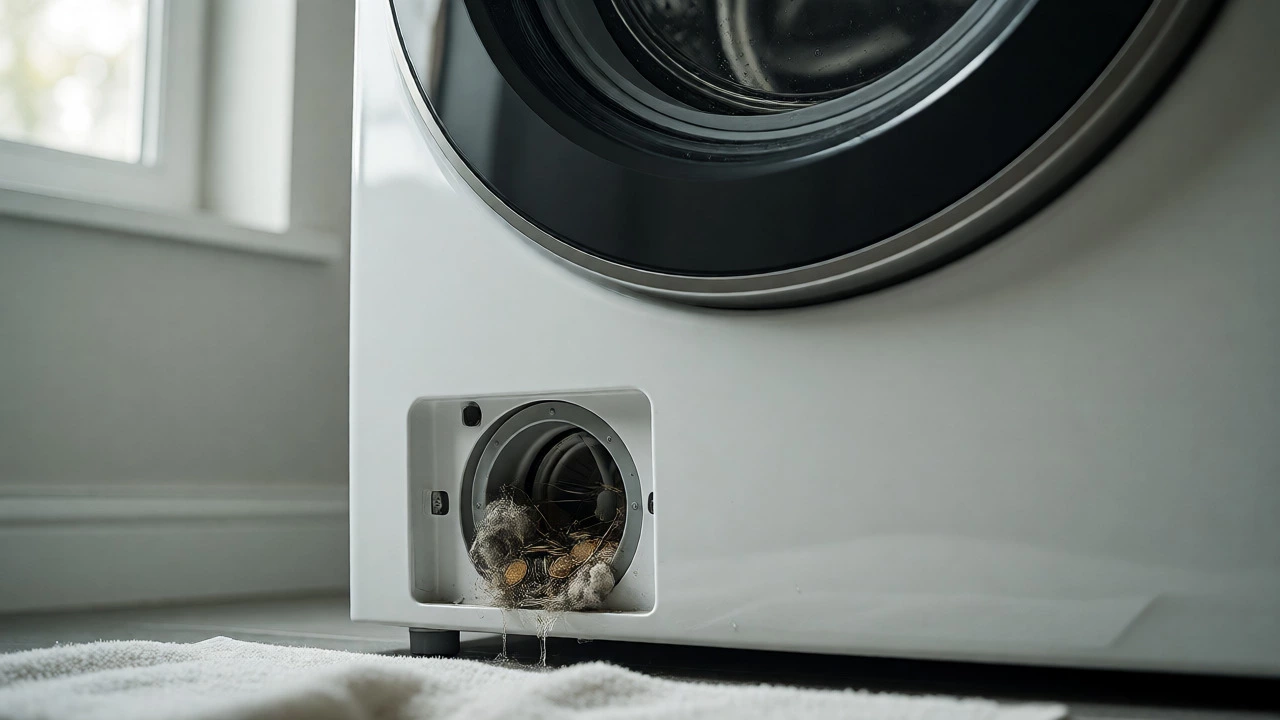
Modern washing machines are designed to be efficient, but they aren’t self-cleaning. Coins, buttons, lint, hairpins, and even small socks get trapped in the drain pump filter. When this filter clogs, water can’t exit the drum. The machine detects high water levels, throws an error code (like F05 on many brands), and shuts down to prevent flooding.
Why is this so common? Because people rarely clean their filters. Manufacturers recommend checking it every 3-6 months, but how many of us actually do it? If your washer won’t spin or drain, check the little door at the bottom front before assuming the motor is dead. It takes five minutes and costs nothing.
The Silent Killer: Worn Drum Bearings
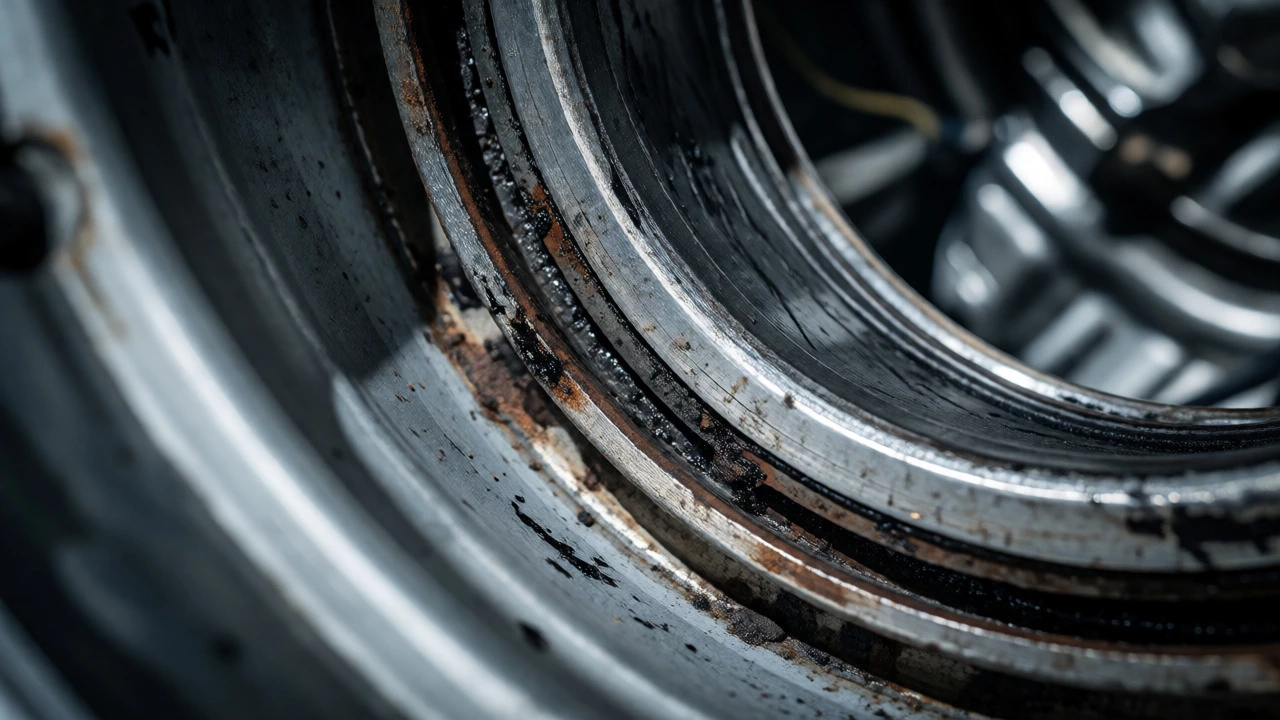
Once you’ve ruled out the easy stuff, the next most frequent major failure involves the drum bearings. These are metal rings that allow the inner tub to spin smoothly against the outer casing. Over time, water seeps past the seals, rusts the bearings, and causes them to grind.
How do you know if it’s the bearings? Listen for a loud rumbling noise during the spin cycle, similar to an airplane taking off. You might also see black grease marks on your clothes or inside the drum. Unlike a clogged filter, bearing failure is a serious mechanical issue. Replacing them requires disassembling the entire back of the machine, which is why many technicians consider it a "repair vs. replace" decision point.
Bearing failures are especially common in older front-loaders where users consistently overload the machine. Excess weight puts undue stress on the seal, accelerating wear. If you hear grinding, stop using the machine immediately. Continuing to run it can crack the outer tub, turning a $150 repair into a $400 one.
Electronic Failures: Control Boards and User Errors
As washing machines get smarter, they rely more on electronics. The control board (or main PCB) is the brain of the operation. While less common than mechanical issues, electronic failures are rising as appliances age.
However, many "electronic" problems are actually user errors. Pressing the wrong button sequence, interrupting a cycle mid-spin, or power surges can confuse the logic board. Before condemning the circuitry, try a hard reset: unplug the machine for 10 minutes, then plug it back in. This clears temporary memory glitches in about 30% of cases.
When the board truly fails, symptoms include unresponsive buttons, lights flickering randomly, or the machine starting cycles without input. Replacement boards cost between $100 and $300 depending on the brand. For budget models, this often exceeds the value of the remaining lifespan.
Water Leaks: Hoses, Seals, and Gaskets
Leaks are another top-tier complaint. They usually stem from three sources:
- Inlet Hose Connections: Loose clamps or cracked rubber washers where the hose meets the wall tap.
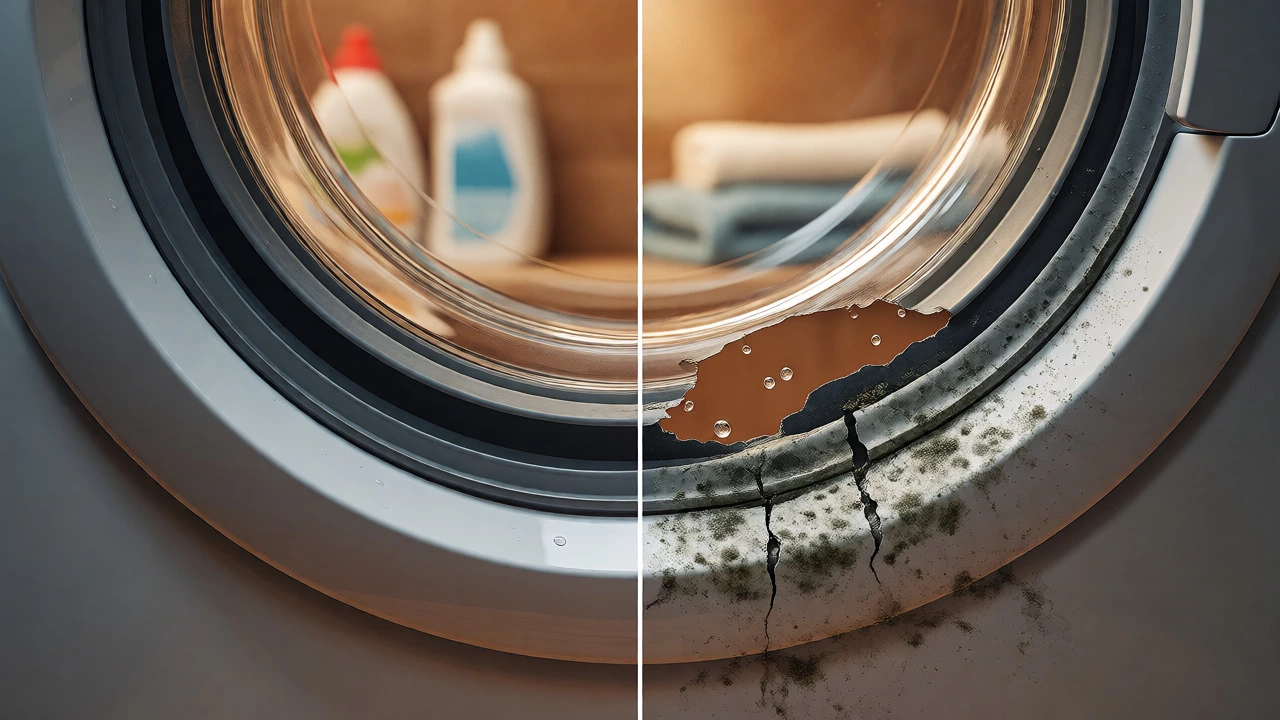
- Door Boot Seal (Gasket): The thick rubber ring around the door opening. Tears here allow water to escape onto the floor. This is extremely common in front-loaders due to friction from zippers and bra wires.
- Drain Hose Cracks: Often hidden behind the machine, these can split due to age or rodent damage.
A leaking door boot is tricky because it doesn’t just leak; it collects mold and grime. Cleaning it regularly extends its life, but once the rubber cracks, it must be replaced. It’s a messy job requiring the removal of large spring clamps, but DIY kits are widely available.
Agitator and Motor Couplings (Top-Loaders)
If you have a traditional top-loader, the motor coupling is a frequent failure point. This small plastic-and-rubber piece connects the motor to the transmission. Its purpose is sacrificial-it’s designed to break if the agitator gets stuck (say, under a heavy blanket) to save the motor.
Symptoms include the motor running but the agitator not moving, or a loud clicking noise. Replacing a motor coupling is one of the cheapest repairs available, often costing under $20 for parts. It’s a classic example of good engineering design: fail cheaply to protect expensive components.
Comparison of Common Washing Machine Failures
| Failure Type | Common Symptoms | DIY Difficulty | Estimated Repair Cost (NZD) |
|---|---|---|---|
| Clogged Drain Filter | Won't drain, error codes, wet clothes | Very Easy | $0 - $20 |
| Worn Drum Bearings | Loud rumble, grease stains, wobbly drum | Hard | $250 - $450 |
| Control Board Fault | Unresponsive buttons, random starts | Moderate | $150 - $350 |
| Torn Door Boot Seal | Leaking from front, mold smell | Moderate | $80 - $150 |
| Motor Coupling Break | Motor runs, no agitation/spin | Easy | $30 - $60 |
How to Diagnose Your Specific Issue
Don’t guess. Follow this logical flow to identify your problem:
- Check Power and Water: Is the outlet live? Are the taps open? Basic, but often overlooked.
- Inspect the Filter: Open the small access panel. Place a towel underneath. Unscrew slowly. If water pours out, you likely had a blockage. Clean it thoroughly.
- Listen to the Spin Cycle: Run a short spin-only cycle. Does it make a grinding noise? Bearings. Does it hum but not turn? Motor coupling or belt.
- Look for Leaks: Pull the machine forward. Check hoses and the pump housing. Use flour or baby powder on suspected areas to trace fresh leaks easily.
- Read Error Codes: Modern displays speak a language. Look up your specific model’s code manual online. An "E2" means something different on a Samsung than it does on a Fisher & Paykel.
Preventing Future Failures
You can’t stop time, but you can slow down wear. Here’s how to keep your machine alive longer:
- Leave the Door Open: After every wash, leave the front loader door ajar. This dries out the drum and prevents mold growth on the rubber seal.
- Check Pockets: Make it a habit. One coin can jam a pump; one bra wire can tear a seal.
- Use Correct Detergent: High-efficiency (HE) machines need low-suds detergent. Too many suds confuse sensors and leave residue on internal parts.
- Level the Machine: A wobbling washer shakes itself apart over time. Adjust the feet until it’s rock-solid.
When to Call a Professional
Some jobs are worth doing yourself, others aren’t. Tackle the filter, hoses, and belts yourself. But if you suspect electrical faults involving the mains voltage, or if you need to dismantle the entire rear assembly for bearings, call a pro. In New Zealand, labor rates vary, but paying for expertise often prevents costly mistakes like stripping screws or misaligning drums.
Remember, the most common failure isn’t always the most expensive. By addressing small issues like clogged filters promptly, you avoid the cascade effect that leads to burnt-out pumps and flooded kitchens.
Why is my washing machine making a loud banging noise?
A loud banging noise during the spin cycle is usually caused by an unbalanced load or worn shock absorbers/suspension springs. Try redistributing the laundry evenly. If the noise persists with empty loads, the suspension system may need replacing.
Can I use vinegar to clean my washing machine?
Yes, white vinegar is effective for removing mineral buildup and odors. Run an empty hot cycle with two cups of vinegar. However, avoid using it too frequently as the acid can degrade rubber seals over time. Baking soda can also help scrub away residue.
How often should I clean the washing machine filter?
Manufacturers typically recommend cleaning the drain pump filter every 3 to 6 months. If you have pets or wash heavily soiled items often, monthly cleaning is advisable to prevent clogs and maintain drainage efficiency.
Is it worth repairing an old washing machine?
It depends on the cost of the repair versus the price of a new unit. As a rule of thumb, if the repair costs more than 50% of the price of a comparable new machine, replacement is often better. Also, consider energy efficiency gains from newer models.
Why does my washing machine smell bad?
Bad smells usually come from mold and bacteria growing in the rubber door seal or the detergent drawer due to moisture retention. Running a hot sanitizing cycle and leaving the door open after use helps prevent this. Cleaning the seal with a bleach solution can remove existing mold.
I am an expert in the services industry with a focus on appliance repair. My passion lies in understanding how things work and educating others in simple, engaging ways. This enthusiasm fuels my writing, where I delve into topics around appliance maintenance and troubleshooting. I aim to make these subjects clear and accessible to all readers.