Heat Pump Troubleshooter
Select the symptom you are experiencing with your heat pump below to receive an immediate diagnosis and recommended next steps.
You turn on your heat pump and expect warmth or coolness. Instead, you get a blast of lukewarm air, or worse, silence. It’s frustrating, especially when you’re paying for energy efficiency. If you’ve ever wondered why your unit stops working as expected, you aren’t alone. The most common problem with heat pumps isn’t usually a catastrophic mechanical failure. It’s often something simpler: issues with the defrost cycle or airflow restrictions caused by dirty filters and coils. These small neglects snowball into bigger repairs if ignored.
Why Defrost Cycle Failures Are So Common
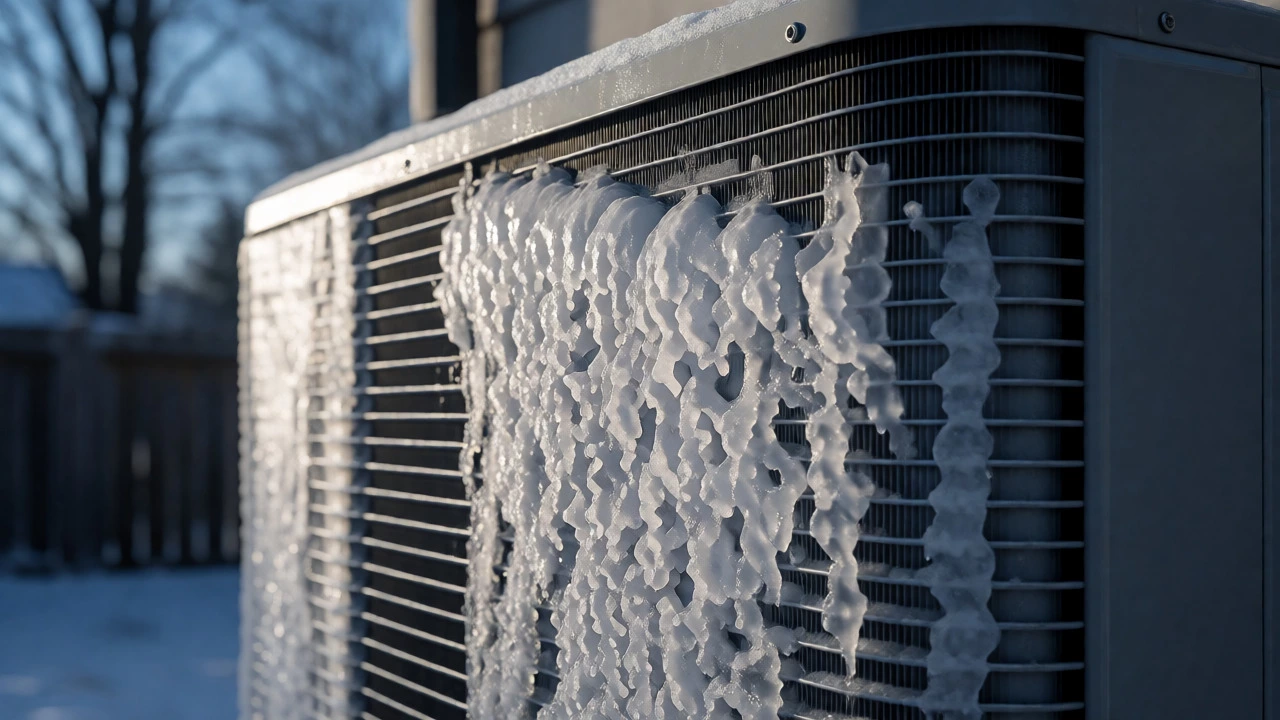
Let’s start with the biggest culprit. In colder months, ice builds up on the outdoor unit’s coil. This is normal. Your heat pump has a built-in defrost cycle designed to melt this ice automatically. But here’s the catch: if that cycle fails, ice accumulates until it blocks airflow entirely. The system then switches to emergency heat or just blows cold air indoors because it can’t extract heat from the frozen coil.
How do you know if this is your issue? Look at the outdoor unit. Is there a thick layer of ice that doesn’t melt after an hour? That’s a red flag. The root cause is often a faulty reversing valve, which controls whether the system heats or cools. Or, it could be a bad defrost control board that never sends the signal to start the cycle. In Wellington, where humidity is high, this happens more often than people think. Moisture in the air freezes faster on the coils, putting extra strain on the defrost mechanism.
Airflow Restrictions: The Silent Killer
If your heat pump runs but feels weak, check the airflow. Restricted airflow is the second most frequent reason for service calls. When air can’t move freely over the indoor evaporator coil, the coil gets too cold and freezes over. You might hear a rattling noise as the fan struggles against the ice blockage.
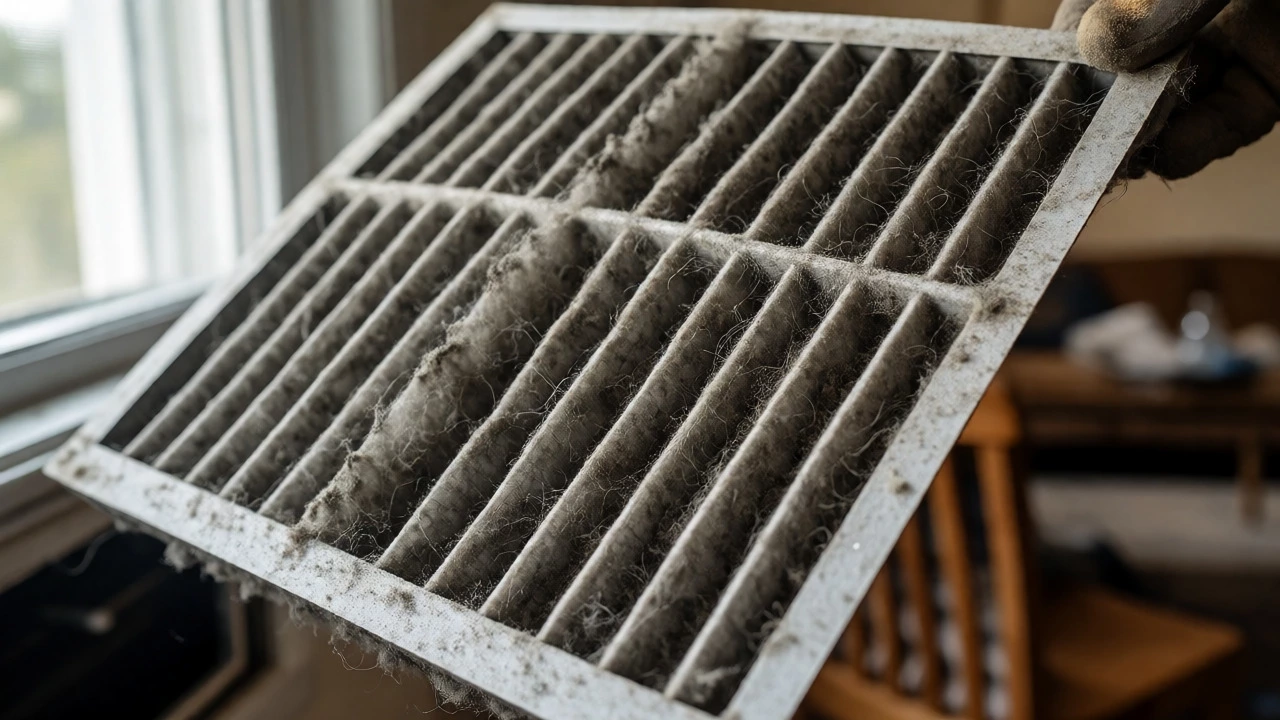
The primary offender here is a clogged air filter. Many homeowners forget to change these every one to three months. A dirty filter forces the blower motor to work harder, increasing wear and tear while reducing efficiency. But it’s not just filters. Outdoor units get blocked by leaves, grass clippings, or even pet hair. Keep at least 60 centimeters of clear space around the outdoor unit. If you live near trees, check weekly during autumn.
Refrigerant Leaks and Low Charge
Heat pumps don’t “use up” refrigerant like a car uses gas. They operate in a closed loop. If you need a top-up, you have a leak. Refrigerant leaks are tricky because they develop slowly. You won’t notice a sudden drop in performance. Instead, the system gradually loses capacity. Over time, the compressor works longer to reach the set temperature, driving up your power bill.
How do you spot a low charge? Look for oil stains near copper pipe connections. Refrigerant carries oil through the system, so a leak often leaves a greasy residue. Another sign is ice forming on the smaller suction line. While some ice on the coil is normal during operation, heavy icing on the pipes suggests low pressure due to insufficient refrigerant. Addressing this early prevents compressor burnout, which is the most expensive repair component.
Thermostat and Control Glitches
Sometimes the problem isn’t the machine; it’s the brain. Faulty thermostats send incorrect signals, causing short cycling. Short cycling means the unit turns on and off rapidly instead of running for full cycles. This wears out components quickly and wastes energy. Check if your thermostat batteries are dead or if the unit is placed in direct sunlight, which gives false temperature readings.
Modern smart thermostats add another layer of complexity. Wi-Fi connectivity issues can prevent remote commands from reaching the unit. If your app says the heat is on but the house is cold, verify the connection status first before calling a technician. Also, ensure the thermostat is compatible with your specific heat pump model. Some older units require different voltage requirements than newer smart devices.
Electrical Component Failures
Heat pumps rely on capacitors to start motors. The run capacitor helps the fan and compressor maintain speed. When it fails, the motor hums but doesn’t spin. This is a common age-related issue. Capacitors degrade over time due to heat stress. If your outdoor fan spins slowly or not at all, suspect the capacitor. Replacing it is relatively cheap compared to replacing the motor itself.
Contactor relays also fail frequently. These electrical switches engage the compressor. If the contactor sticks open, the compressor won’t receive power. You’ll hear the fan run, but no compression noise. Technicians test these with multimeters to confirm continuity. Regular maintenance includes checking these contacts for pitting or burning, which indicates poor connection.
| Problem | Likely Cause | DIY Fix? | Professional Needed? |
|---|---|---|---|
| Blowing Cold Air (Winter) | Defrost cycle failure / Ice buildup | Check settings, clear debris | Yes (if persistent) |
| Weak Airflow | Clogged filter / Blocked vents | Replace filter, clean vents | No (usually) |
| Unit Won't Start | Dead thermostat battery / Tripped breaker | Replace battery, reset breaker | Yes (if electrical fault) |
| High Noise Levels | Loose panels / Debris in fan | Tighten screws, remove debris | Yes (if bearing noise) |
| Frequent On/Off Cycling | Oversized unit / Thermostat error | Adjust thermostat placement | Yes (for sizing check) |
Preventative Maintenance Checklist
You can avoid most of these headaches with simple habits. Don’t wait for a breakdown to act. Here’s what you should do twice a year:
- Clean Filters: Wash reusable filters monthly. Replace disposable ones every three months.
- Clear Outdoor Area: Remove leaves, dirt, and vegetation from around the outdoor unit. Ensure proper drainage away from the base.
- Inspect Coils: Gently rinse outdoor coils with water (no high pressure) to remove dust and pollen.
- Check Vents: Make sure indoor supply and return vents aren’t blocked by furniture or curtains.
- Listen for Noises: Unusual grinding or squealing sounds indicate mechanical wear needing attention.
When to Call a Professional
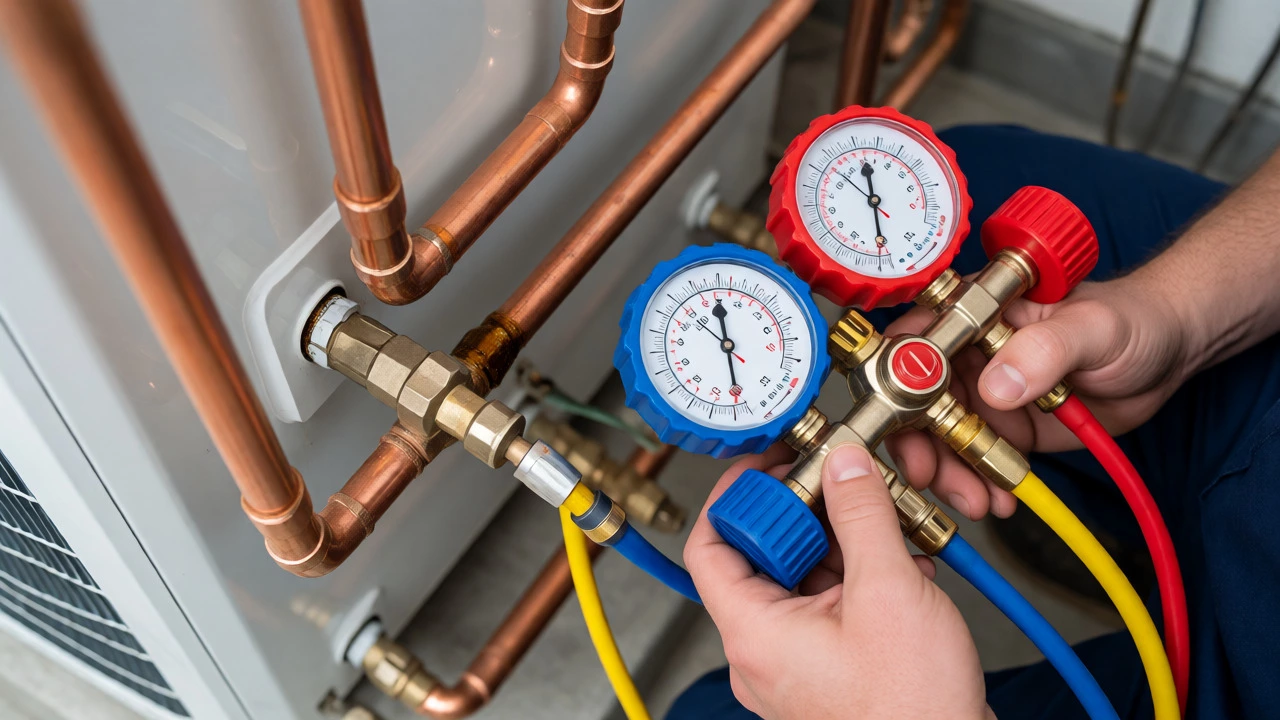
Some issues require specialized tools and certifications. Handling refrigerants requires a licensed technician in New Zealand due to environmental regulations. Electrical diagnostics also demand expertise to avoid shock hazards. If you’ve changed the filter, cleared debris, and reset the system, but the problem persists, it’s time for a pro. They can measure superheat and subcooling levels to diagnose refrigerant issues accurately. They also have gauges to check pressure readings, which tell them exactly what’s wrong inside the sealed system.
How long do heat pumps typically last?
With proper maintenance, most heat pumps last between 10 and 15 years. Units in coastal areas like Wellington may face corrosion challenges, potentially shortening lifespan if not cleaned regularly. Regular servicing extends longevity significantly.
Can I fix a refrigerant leak myself?
No. In New Zealand, handling refrigerants requires certification. Leaks must be found, repaired, and the system recharged with precise amounts of refrigerant using professional equipment. DIY attempts can void warranties and harm the environment.
Why does my heat pump smell musty?
A musty odor usually indicates mold growth on the indoor evaporator coil or drain pan. This happens when moisture sits stagnant. Cleaning the coil and ensuring the condensate drain flows freely resolves this issue. Use an HVAC-safe cleaner to kill bacteria.
Is it cheaper to leave the heat pump on all day?
Generally, yes. Heat pumps are efficient at maintaining temperatures rather than changing them drastically. Turning them off completely causes the system to work harder to reheat the home. Setbacks of a few degrees when away are fine, but full shutdowns often cost more in energy usage.
What does error code E4 mean on my heat pump?
Error codes vary by manufacturer. For many brands, E4 relates to sensor faults or communication errors between indoor and outdoor units. Consult your user manual for specific meanings. Resetting the power might clear temporary glitches, but recurring codes need technician diagnosis.
I am an expert in the services industry with a focus on appliance repair. My passion lies in understanding how things work and educating others in simple, engaging ways. This enthusiasm fuels my writing, where I delve into topics around appliance maintenance and troubleshooting. I aim to make these subjects clear and accessible to all readers.