Commercial Appliance ROI & Depreciation Calculator
Financial Summary
Based on your inputs, here is the projected financial impact over the asset's life.
You walk into a busy kitchen or a large office laundry room. You see machines that look like the ones at home, but they are bigger, louder, and built to run for hours without stopping. In the world of commerce, these aren't just gadgets; they are critical business assets. But when someone asks, "what does appliance mean in business?" the answer goes deeper than just "a machine." It involves accounting rules, maintenance contracts, and specific definitions that separate a household toaster from a commercial-grade oven.
In business terms, an appliance is defined as a device or piece of equipment that performs a specific function, typically using electricity or gas, to support operational efficiency. While the word often brings to mind refrigerators and washing machines, in a corporate context, it covers a wide range of tools essential for daily operations. Understanding this definition helps you manage costs, plan repairs, and make smarter purchasing decisions.
The Core Definition: What Counts as an Appliance?
To understand what an appliance means in business, we first need to strip away the technical jargon. At its simplest, an appliance is a movable mechanical or electrical device that serves a practical purpose. Unlike heavy machinery that might be bolted to the floor or integrated into a building's structure, appliances are usually standalone units. You can plug them in, turn them on, and use them immediately.
In a residential setting, this includes your microwave, dishwasher, or dryer. In a business setting, the scope expands. A coffee shop relies on espresso machines and grinders. A hotel depends on industrial laundry stacks and multiple refrigeration units. Even an office has appliances like water coolers, microwaves in breakrooms, and sometimes air conditioning units. The key difference isn't just size; it's usage intensity. A business appliance is designed for high-volume, continuous operation, whereas a home appliance is built for intermittent use.
This distinction matters because it affects how you treat the asset. If your coffee machine breaks down on a Friday morning, it’s not just an inconvenience; it’s a halt in revenue generation. Therefore, defining what constitutes an appliance in your business inventory is the first step in proper asset management.
Commercial vs. Industrial: Knowing the Difference
When shopping for equipment, you’ll often hear the terms "commercial" and "industrial" used interchangeably. However, in the appliance industry, there is a clear line between them. This distinction is crucial for understanding durability, cost, and service requirements.
| Feature | Residential Appliance | Commercial Appliance | Industrial Equipment |
|---|---|---|---|
| Usage Intensity | Intermittent (1-4 hours/day) | High (8-12+ hours/day) | Continuous (24/7 operation) |
| Durability | Standard materials (plastic, thin metal) | Heavy-duty (stainless steel, reinforced motors) | Extreme duty (cast iron, specialized alloys) |
| Power Requirements | Standard outlet (110V/220V) | Higher voltage/amperage, dedicated circuits | Three-phase power, complex wiring |
| Lifespan | 5-10 years | 10-15 years | 15-20+ years |
| Repair Complexity | Simple, DIY-friendly parts | Requires certified technicians | Specialized engineers required |
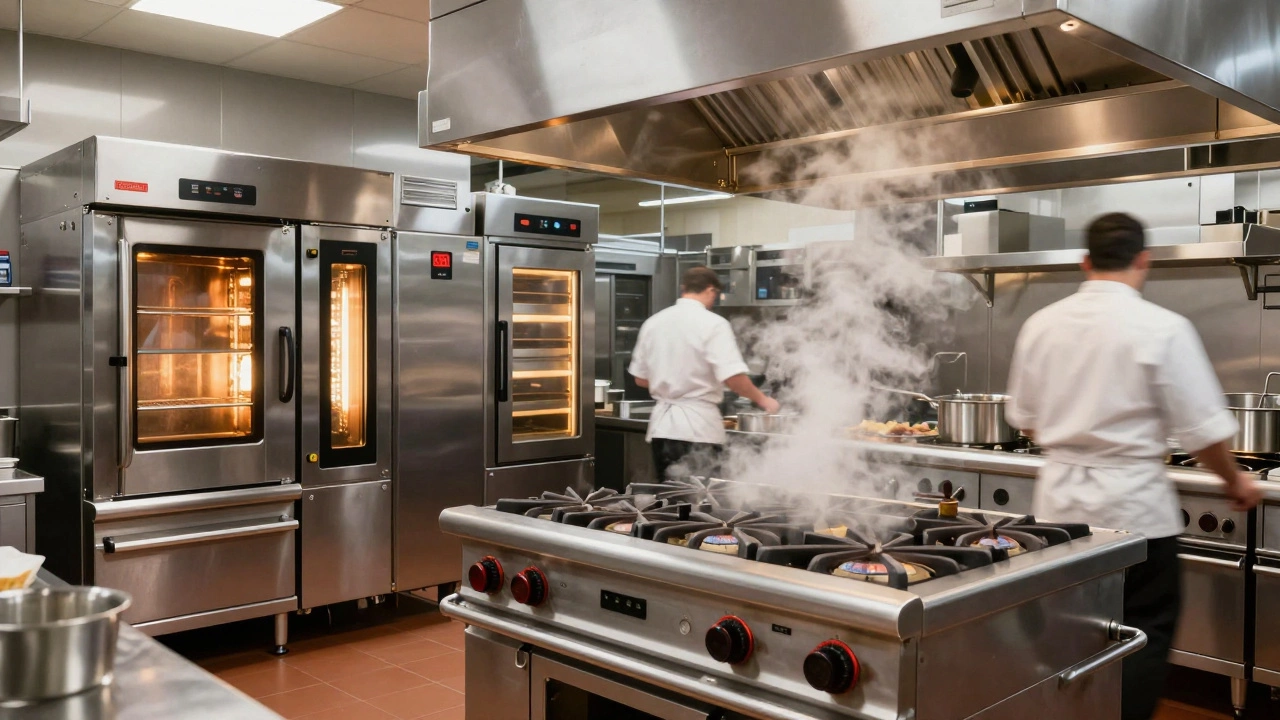
A commercial appliance, such as a six-burner gas range in a restaurant, is built to withstand constant heat and cleaning chemicals. An industrial appliance, like a massive conveyor belt system in a factory, is part of a larger production line. For most small to medium businesses, the focus is on commercial appliances. These are the workhorses that keep the lights on and the customers fed.
Accounting Perspective: How Businesses Value Appliances
From a financial standpoint, an appliance is classified as a tangible fixed asset. This means it has a physical form and is expected to provide value to the business for more than one year. When you buy a new refrigerator for your deli, you don’t expense the entire cost immediately. Instead, you capitalize it and depreciate it over its useful life.
Depreciation is the process of allocating the cost of an asset over several years. For example, if you buy a commercial dishwasher for $3,000 with a useful life of five years, you might deduct $600 from your taxable income each year. This method smooths out the financial impact of large purchases. It also helps in budgeting for future replacements. If you ignore depreciation, you might find yourself surprised by the sudden need to replace aging equipment without having saved for it.
Tax laws vary by region, so it’s always wise to consult with an accountant. However, the general rule is that appliances under a certain threshold (often called the de minimis safe harbor) can be expensed immediately. In many jurisdictions, this limit is around $2,500 per item. Keeping accurate records of purchase dates, costs, and estimated lifespans is essential for both tax compliance and strategic planning.
Maintenance and Service: Protecting Your Investment
One of the biggest mistakes businesses make is treating commercial appliances like disposable items. They are not. A breakdown in a critical appliance can lead to lost sales, wasted inventory, and damaged reputation. This is where professional appliance service becomes vital. Regular maintenance is not just about fixing things when they break; it’s about preventing breaks before they happen.
Consider a boiler in a laundromat. If it fails, the entire operation stops. A proactive maintenance schedule includes quarterly inspections, cleaning of filters, and checking for wear and tear. Many manufacturers offer service contracts that cover regular check-ups and emergency repairs. These contracts can be expensive upfront, but they often save money in the long run by extending the lifespan of the equipment and avoiding costly downtime.
DIY repairs are tempting, especially for minor issues. However, commercial appliances operate at higher voltages and temperatures. Attempting to fix a commercial oven or a walk-in cooler without proper training can be dangerous and may void warranties. Always rely on certified technicians who understand the specific requirements of commercial-grade equipment.
Energy Efficiency and Sustainability
In today’s business environment, energy efficiency is not just a buzzword; it’s a bottom-line concern. Commercial appliances consume significant amounts of electricity and gas. Upgrading to energy-efficient models can reduce utility bills substantially. Look for certifications like Energy Star, which indicates that the appliance meets strict efficiency guidelines set by environmental agencies.
For instance, replacing an old commercial refrigerator with a new Energy Star-rated model can cut energy usage by up to 30%. Over a decade, this savings can amount to thousands of dollars. Additionally, efficient appliances often produce less heat, reducing the load on air conditioning systems. This creates a ripple effect of savings across your facility.
Sustainability also plays a role in brand image. Customers increasingly prefer businesses that demonstrate environmental responsibility. Highlighting your use of eco-friendly appliances can be a marketing advantage. It shows that you care about more than just profit; you care about the planet.
Choosing the Right Appliance for Your Business
Selecting the right appliance requires careful consideration of several factors. First, assess your volume needs. A small café doesn’t need the same capacity as a banquet hall kitchen. Oversizing leads to wasted energy and space, while undersizing causes bottlenecks and stress during peak hours.
Second, consider the layout of your space. Measure doorways, hallways, and installation areas carefully. Commercial appliances are bulky and heavy. Ensure your flooring can support the weight and that there is adequate ventilation. Poor airflow can cause overheating and premature failure.
Third, evaluate the supplier and service network. Buy from reputable brands with strong local support. If a part breaks, you want it shipped quickly, not imported from overseas weeks later. Check reviews and ask other business owners for recommendations. Local knowledge is invaluable when choosing equipment.
- Assess Volume: Match capacity to peak demand.
- Check Space: Ensure proper fit and ventilation.
- Verify Support: Choose brands with local service networks.
- Compare Costs: Look at total cost of ownership, not just price.
- Review Warranty: Understand coverage terms and exclusions.
The Future of Business Appliances
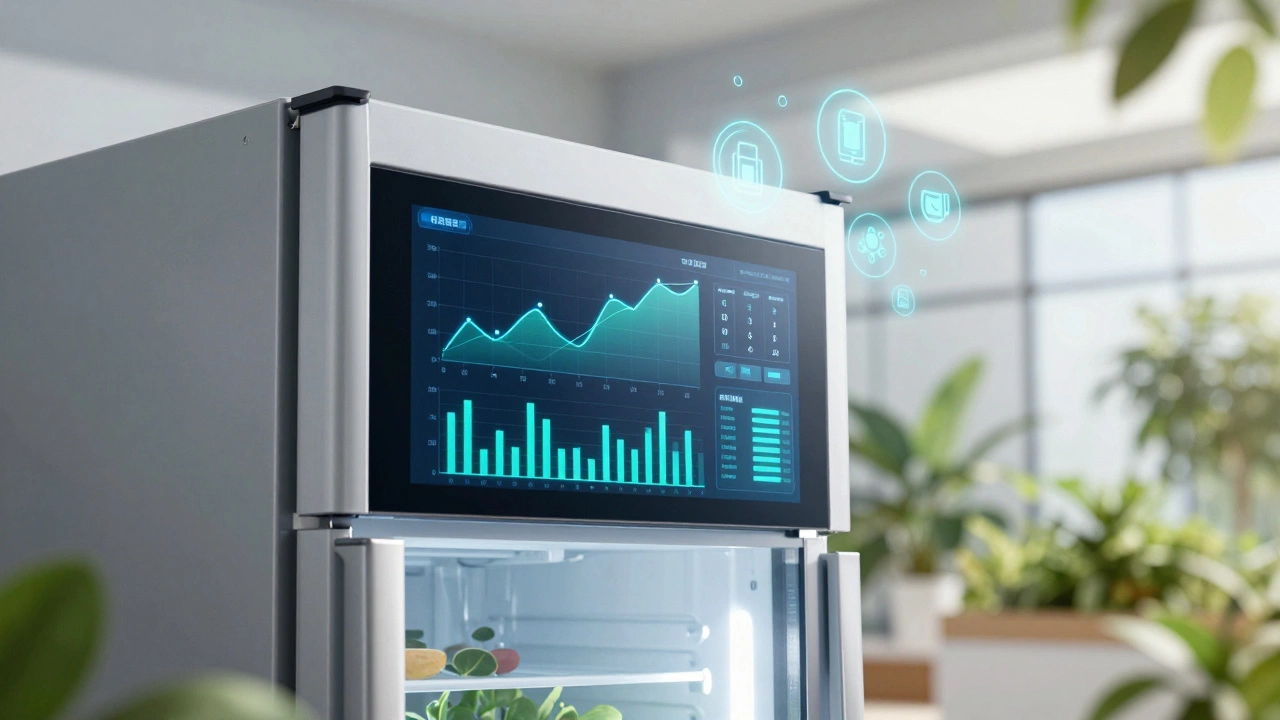
Technology is changing the landscape of business appliances. Smart appliances are becoming more common, offering features like remote monitoring, predictive maintenance alerts, and energy usage tracking. Imagine receiving a notification on your phone that your freezer temperature is rising before the food spoils. Or knowing exactly when a filter needs replacement based on actual usage data.
These innovations improve efficiency and reduce waste. They also provide valuable data for optimizing operations. As internet connectivity becomes standard, expect to see more integration between appliances and broader business management systems. This trend will likely continue to grow, making appliances even more integral to business intelligence.
Understanding what an appliance means in business is about recognizing its role beyond mere functionality. It’s an asset that requires strategic management, regular care, and thoughtful selection. By viewing appliances through this lens, you can enhance operational efficiency, reduce costs, and build a more resilient business.
Is a computer considered an appliance in business?
Generally, no. In accounting and business terminology, computers are classified as IT equipment or office electronics rather than appliances. Appliances typically refer to mechanical or electromechanical devices used for domestic-style tasks like cooking, cleaning, or cooling. Computers fall under a different asset category due to their primary function of data processing.
How long do commercial appliances last compared to home ones?
Commercial appliances are built for heavier use and typically last 10 to 15 years, whereas home appliances last 5 to 10 years. The extended lifespan is due to higher-quality materials like stainless steel and more robust components designed to handle continuous operation without failing.
Can I repair a commercial appliance myself?
It is strongly advised against. Commercial appliances operate at higher voltages and temperatures, posing safety risks. Additionally, DIY repairs often void warranties and may lead to further damage. Professional technicians have the training and tools necessary to safely diagnose and fix these complex machines.
What is the de minimis safe harbor for appliance expenses?
The de minimis safe harbor allows businesses to immediately expense assets below a certain cost threshold instead of depreciating them. In many regions, this limit is around $2,500 per item. This simplifies accounting for smaller appliances like microwaves or blenders, though exact limits vary by local tax laws.
Why are commercial appliances more expensive?
Commercial appliances cost more because they are built with durable materials like stainless steel, feature powerful motors, and are engineered for continuous use. They also undergo rigorous testing to meet safety and performance standards required for public or high-volume environments, adding to manufacturing costs.
I am an expert in the services industry with a focus on appliance repair. My passion lies in understanding how things work and educating others in simple, engaging ways. This enthusiasm fuels my writing, where I delve into topics around appliance maintenance and troubleshooting. I aim to make these subjects clear and accessible to all readers.