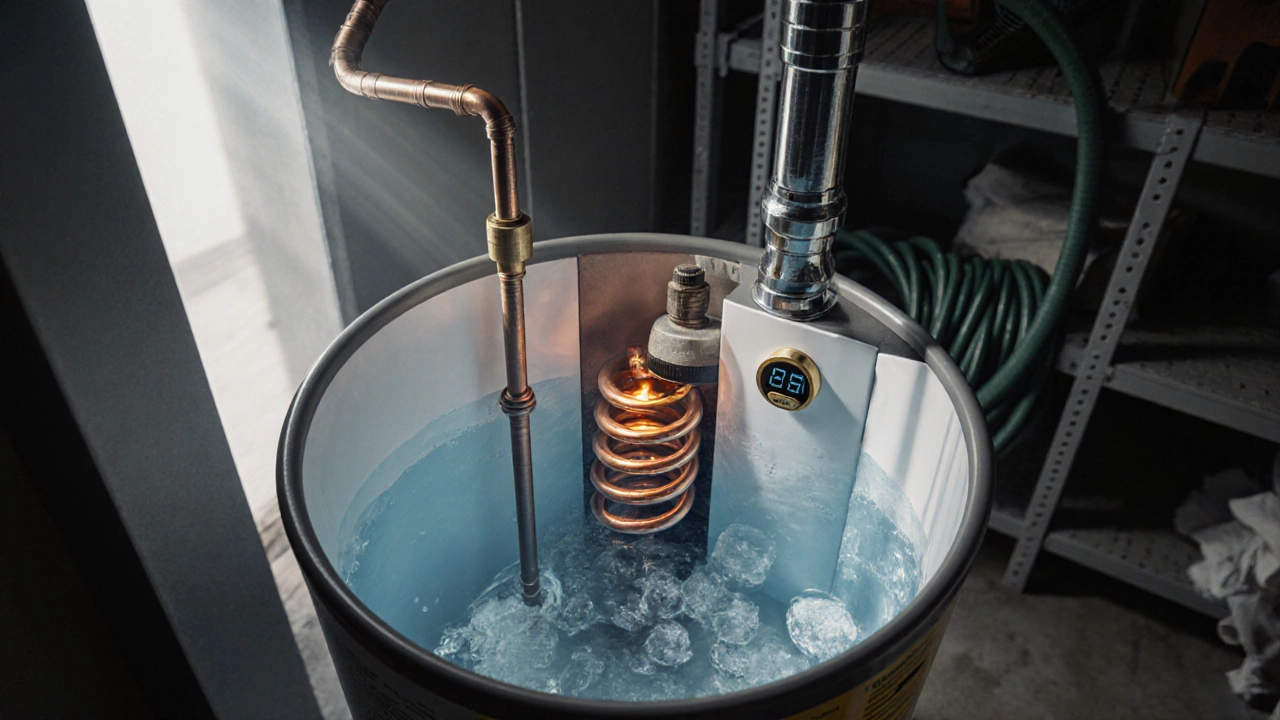
Learn the most common water heater failure points, why they break, early warning signs, and maintenance tips to keep your hot water flowing.
When dealing with Heating element issues, problems that affect the part of an appliance that generates heat, causing it to under‑heat or stop working. Also known as thermal element failures, they often show up in ovens, dishwashers, dryers, and water heaters. These faults interrupt daily routines and can be tricky without the right approach.
The Oven heating element, the electric coil that turns electricity into oven heat is one of the most common offenders. When it burns out, you’ll notice uneven baking or no heat at all. Similarly, the Dishwasher heating element, the component that raises water temperature for cleaning cycles can fail, leaving dishes wet and greasy. Both elements share the same failure mode: a broken coil or broken connection, which often requires replacement.
Dryer heating elements work the same way. A malfunctioning dryer element means clothes stay damp and the dryer runs longer, raising energy costs. Water heater heating elements follow suit; a faulty element can leave you with cold showers and a higher bill. Recognizing these patterns helps you pinpoint the exact part that needs attention.
Testing these parts reliably needs a simple tool: a multimeter, an electrical device that measures voltage, resistance, and continuity. With the appliance unplugged, set the multimeter to the ohms setting and check the element’s resistance. A reading of infinite resistance means the element is broken. This diagnostic step is the backbone of most appliance repair guides.
Safety always comes first. Before you start, turn off power at the breaker, wear gloves, and confirm the appliance is fully discharged. If you’re uncomfortable handling live wires, it’s wise to call a qualified technician. Professional repair services, like South Shields Appliance Repair Services, have the experience to replace heating elements quickly and guarantee the work meets local safety standards.
Common symptoms of heating element issues include: no heat, intermittent heat, strange noises, or a burnt smell. In ovens, you might see the broiler staying cool while the bake function works. Dishwashers may finish cycles without drying. Dryers could run without warming air. Water heaters may trigger the reset button repeatedly. Spotting these signs early can save you from costly water damage or energy waste.
When the element is the culprit, replacement is usually straightforward. Remove the old coil, fit the new one, reconnect the wiring, and test with the multimeter again. Remember to check the wiring harness and terminal clamps for corrosion; a bad connection can mimic a failed element.
Whether you’re a DIY enthusiast or a busy homeowner, understanding how heating element issues tie together across appliances gives you confidence to act fast. Below you’ll find a curated list of articles that walk through specific fixes, from how to tell if your oven element is burned out to step‑by‑step water heater troubleshooting. Dive in to get the exact guidance you need for each appliance.
Learn the most common water heater failure points, why they break, early warning signs, and maintenance tips to keep your hot water flowing.