Oven Repair vs. Replace Calculator
Enter your details below to get a personalized recommendation based on the 30% rule and appliance lifespan guidelines.
Verdict
Enter your data and click "Get Recommendation" to see the analysis.
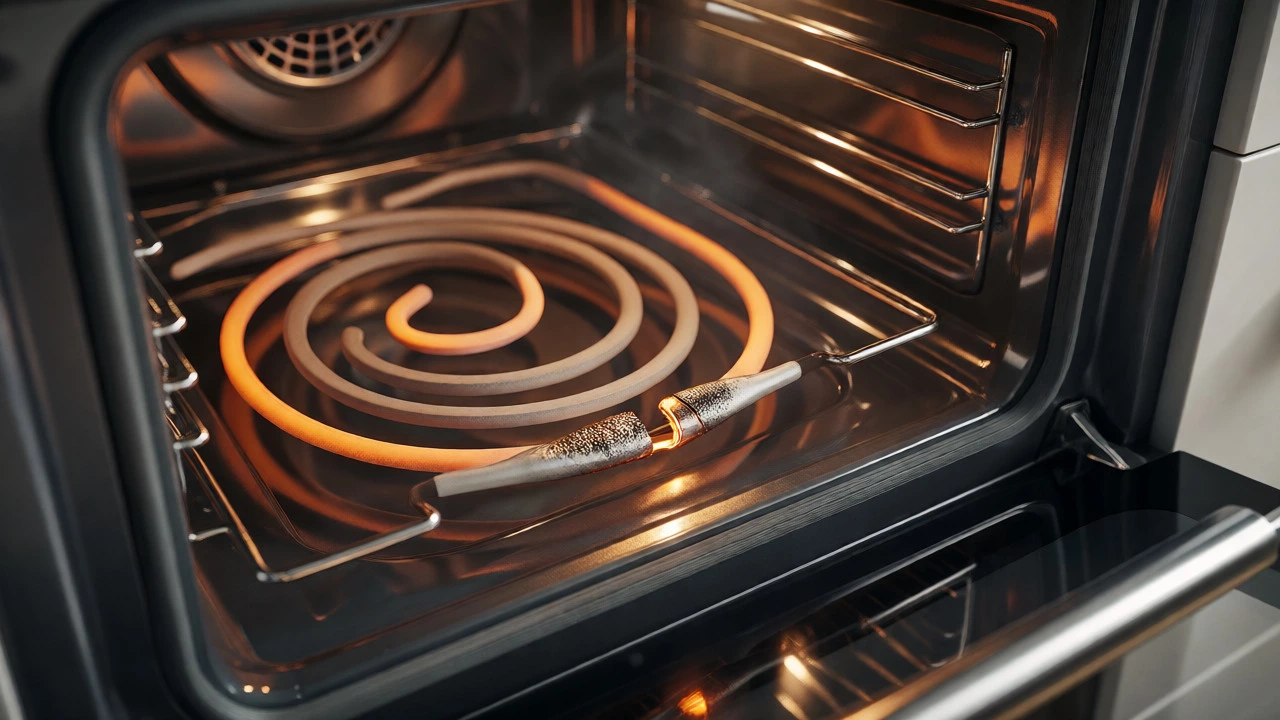
You turn on your electric oven and wait. The temperature climbs, but it never hits 180°C. Or maybe it heats up, then suddenly cools down halfway through a roast. Nine times out of ten, you are looking at a failed heating element. It is one of the most common faults in kitchen appliances, and it leaves you with a nagging question: do I fix this, or do I just buy a new oven?
It feels like a simple math problem, but it isn’t. If you replace a $50 part on a $2,000 machine that is already failing elsewhere, you have wasted money. But if you toss a perfectly good oven because of a cheap wire coil, you have burned cash too. Here is how to decide without guessing.
The Quick Verdict
- Replace the element if: Your oven is under 10 years old, the rest of the unit works fine (lights, fan, seals), and the repair cost is less than 30% of a new oven’s price.
- Buy a new oven if: The oven is over 12-15 years old, multiple components are failing (like the door seal or thermostat), or the specific part for your model is discontinued or costs more than $150.
- Check first: Always rule out the thermostat or thermal fuse before blaming the element. Sometimes the heater is fine, but the sensor telling it when to stop is broken.
Why Heating Elements Fail (And Why It Matters)
A heating element is essentially a high-resistance wire wrapped around a ceramic core. When electricity flows through it, resistance creates heat. Over time, two things kill these elements: thermal stress and corrosion. Every time you cook, the metal expands; every time you clean or cool it, it contracts. This expansion and contraction eventually causes micro-cracks in the sheath. Once moisture gets inside-usually from steam during cooking-the internal wire shorts out against the casing.
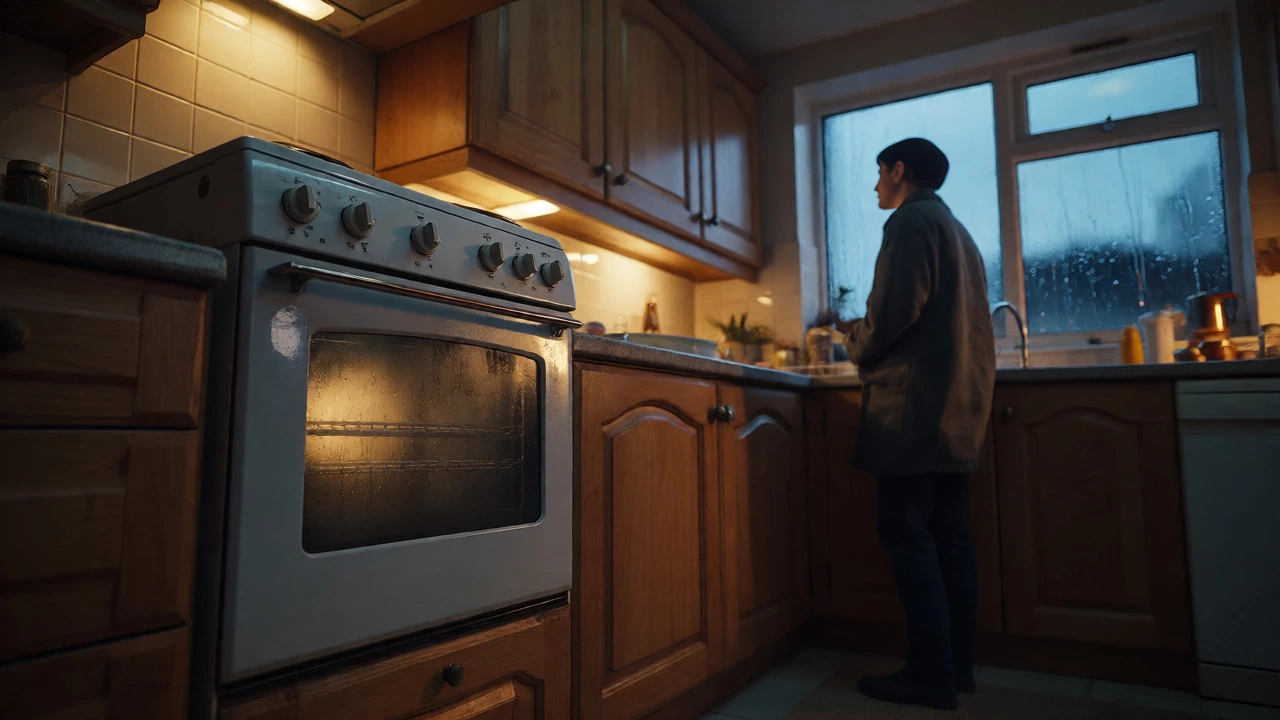
In New Zealand homes, where damp winters are common, condensation inside the oven cavity can accelerate this rusting process. If you see a blistered spot, a burn mark, or a visible gap in the coil, the element is dead. No amount of resetting will fix a physical break in the circuit.
The Real Cost Breakdown: Part vs. Labor vs. New Unit
To make a smart decision, you need real numbers, not vague estimates. Let’s look at the typical costs involved in an oven repair versus a replacement.
| Item | Estimated Cost (NZD) | Notes |
|---|---|---|
| Heating Element (Part) | $40 - $120 | Price varies by brand (Bosch/Siemens are pricier than generic brands). |
| Professional Labor | $120 - $200 | Includes diagnostic fee and installation time (approx. 1 hour). |
| Total Repair Cost | $160 - $320 | Assumes only the element needs replacing. |
| New Built-in Oven | $800 - $2,500+ | Entry-level models start around $800; premium features push this higher. |
| Installation of New Oven | $150 - $300 | May require cabinet modification if dimensions differ. |
Here is the rule of thumb: If the total repair cost exceeds 30% of the price of a comparable new oven, you should seriously consider replacing the appliance. For a standard mid-range oven costing $1,200, a $360 repair bill is borderline. If the quote comes back at $450, walk away and shop for a new unit.
The Age Factor: How Old Is Too Old?
Appliance lifespan is rarely linear. Most built-in ovens are designed to last between 10 and 15 years. After year 10, other components begin to degrade. The door seals lose elasticity, letting heat escape. The fan motor bearings wear out, causing noise and uneven heating. The electronic control board becomes sensitive to power surges.
If your oven is 8 years old and the element fails, it is usually worth fixing. You likely have another 5+ years of reliable service left. However, if your oven is 14 years old, replacing the element is often throwing good money after bad. Why invest $250 in a new heater when the thermostat might fail next month, or the fan might seize up next year? In older units, repairs tend to come in clusters.
DIY or Professional Help?
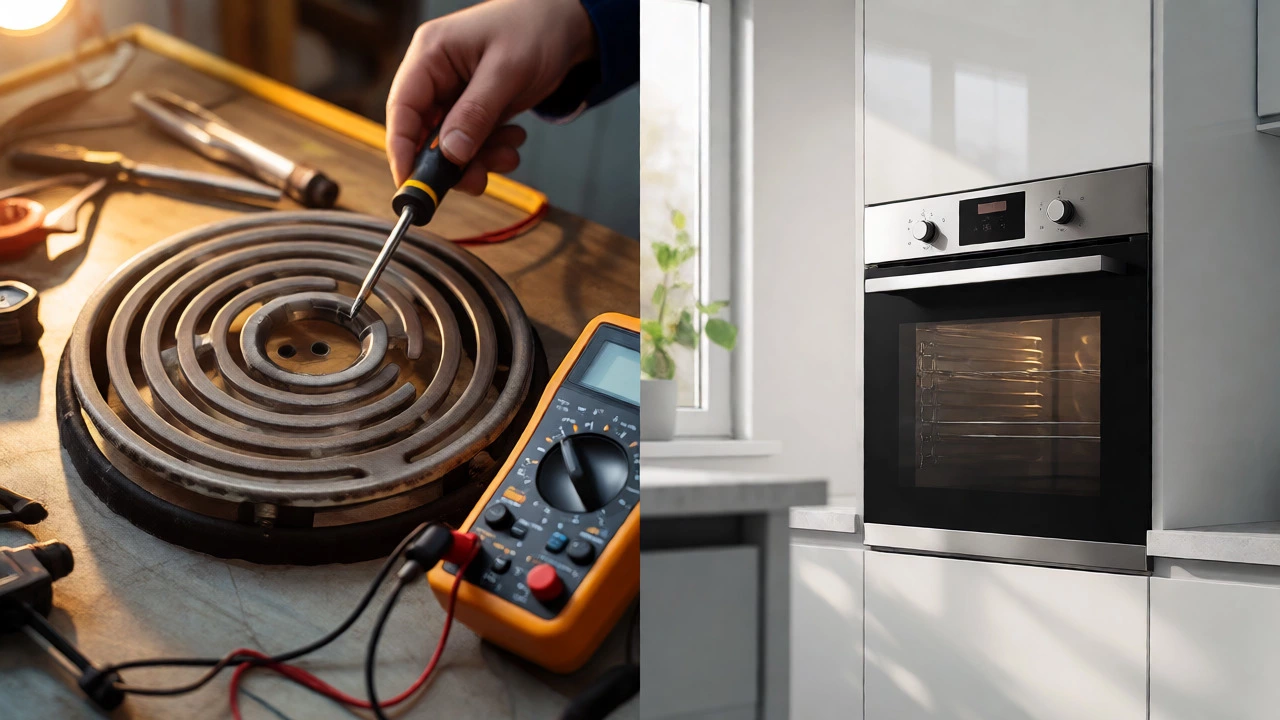
Can you swap the element yourself? Yes, if you are handy. It is one of the few major oven repairs that doesn’t require specialized tools beyond a screwdriver and a multimeter. You disconnect the power, remove the back panel or access screws, unclip the old element, and clip in the new one. Total time: 30-45 minutes.
However, there are risks. Modern ovens have complex wiring harnesses. If you pinch a wire while reassembling, you could short out the main PCB (Printed Circuit Board). A new PCB can cost $300+, turning a cheap fix into an expensive disaster. Also, working with mains electricity requires caution. If you aren’t comfortable testing continuity with a multimeter to confirm the old element is actually dead, hire a pro. Paying $150 for labor saves you from buying a wrong part or electrocuting yourself.
Hidden Costs: What Else Could Be Wrong?
Sometimes, a heating element fails because something else caused it. If you replace the element but ignore the root cause, the new one will blow within months.
- Faulty Thermostat: If the thermostat sticks "on," the element runs continuously until it overheats and burns out. You must replace the thermostat along with the element.
- Blocked Fan: In convection ovens, the fan circulates air. If the fan stops, heat builds up locally around the element, causing hotspots that damage the coil.
- Voltage Issues: Rarely, inconsistent voltage supply can shorten element life. This is more common in older homes with unstable wiring.
Always ask your technician to check the thermostat and fan operation before installing a new element. It adds minimal time to the job but prevents repeat failures.
Eco-Friendly Angle: Repair vs. Replace
Beyond the wallet, think about the waste. Manufacturing a new oven consumes significant energy and raw materials. Shipping it from overseas adds carbon emissions. By extending the life of your existing oven by even three years through a simple repair, you significantly lower its environmental footprint per use. Unless your old oven is extremely inefficient (very rare for modern electric ovens, which are generally efficient), repairing is almost always the greener choice.
When to Definitely Buy New
There are scenarios where repairing makes no sense, regardless of cost:
- Discontinued Parts: Some niche brands or very old models no longer manufacture spare parts. If you have to import a part from Europe or Asia with high shipping fees and long lead times, it’s often cheaper to buy local.
- Cosmetic Damage: If the glass door is cracked or the interior enamel is peeling badly, a new element won’t fix those issues. A new oven offers better insulation and easier cleaning.
- Upgrade Opportunity: If you currently have a basic single oven and want a double oven or a steam function, don’t sink money into the old unit. Save that repair budget toward the upgrade.
Final Checklist Before You Call a Technician
Before you book a service call, do these three quick checks to save time and money:
- Visual Inspection: Look closely at the top and bottom elements. Do you see any gaps, blisters, or dark spots? If yes, you’ve found the culprit.
- Check the Clock: On many digital ovens, if the clock resets (often after a power outage), the oven won’t heat even if the element is fine. Set the clock and try again.
- Test Other Functions: Does the grill work? If the grill works but the main oven doesn’t, it confirms the issue is isolated to the main baking element, not the main power supply or fuse.
Replacing a heating element is usually a worthwhile investment. It restores functionality for a fraction of the cost of a new appliance. Just be honest about the age and condition of the rest of the oven. If the rest of the machine is solid, keep it running. If it’s falling apart, let it go.
How long does an oven heating element last?
On average, a heating element lasts between 7 and 10 years. However, this depends heavily on usage frequency and cooking habits. Heavy daily use or frequent self-cleaning cycles can reduce lifespan due to increased thermal stress.
Can I drive with a broken oven element?
Yes, you can still use the oven for grilling or using the hob if they are separate circuits. However, baking and roasting will be impossible or severely compromised. It is safe to continue using the functional parts, but avoid leaving the faulty element powered on unnecessarily.
Is it hard to replace an oven heating element myself?
For most standard ovens, it is a moderate DIY task. You need a screwdriver and possibly a socket set. The main challenge is accessing the element, which may require removing the oven from its housing or taking off rear panels. Always ensure the power is disconnected at the wall switch or breaker before starting.
Why did my new heating element burn out quickly?
If a new element fails shortly after replacement, the root cause wasn't fixed. Common culprits include a stuck thermostat causing overheating, a failed cooling fan leading to hotspots, or poor ventilation around the oven unit causing excessive ambient heat.
Are all oven heating elements the same?
No. Elements vary by shape (circular, U-shaped, straight), wattage, voltage, and mounting type. You must match the exact specifications of your original element. Using a mismatched part can result in incorrect temperatures or electrical safety hazards.
I am an expert in the services industry with a focus on appliance repair. My passion lies in understanding how things work and educating others in simple, engaging ways. This enthusiasm fuels my writing, where I delve into topics around appliance maintenance and troubleshooting. I aim to make these subjects clear and accessible to all readers.