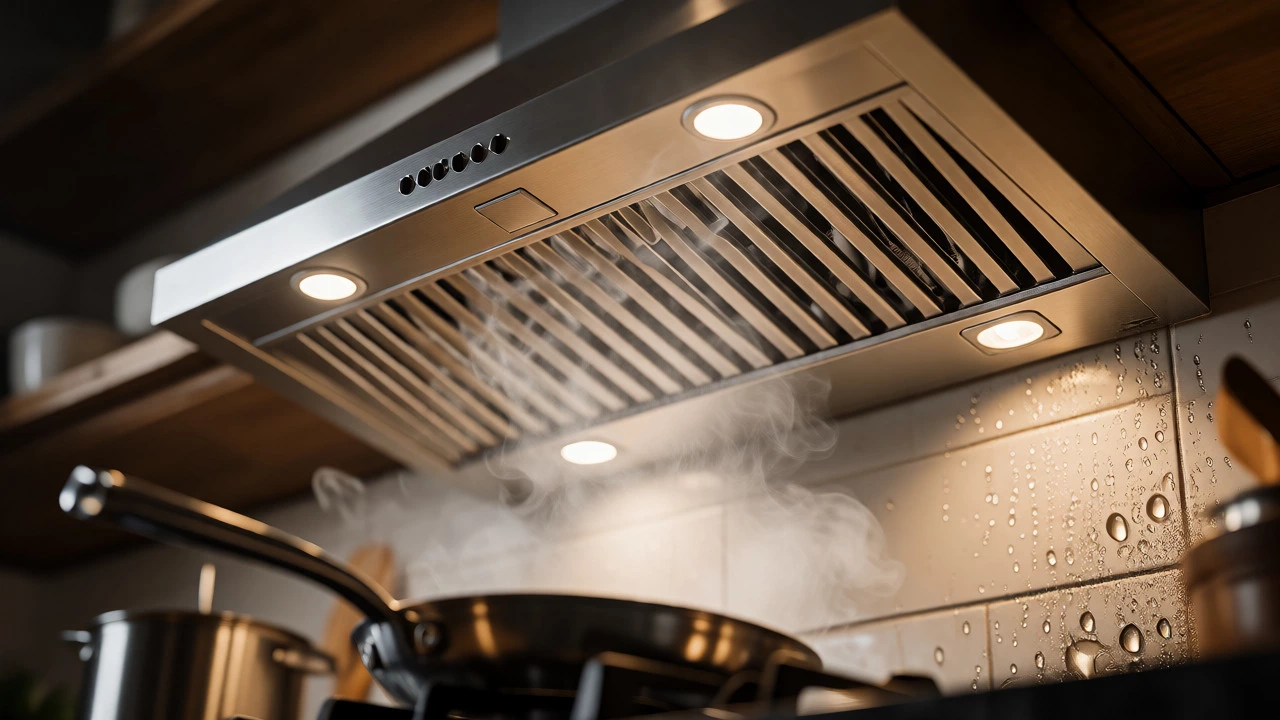
Extractor Fan Lifespan & Maintenance Estimator
Enter details about your current extractor fan to estimate its remaining life and get advice on whether to repair, maintain, or replace it.
Estimated Remaining Lifespan
-- Years
Calculating...
--
You switch on your extractor fan and hear a grinding noise that wasn't there last month. Or maybe the air in your kitchen still smells like burnt garlic even after an hour of running. It’s annoying, but it raises a bigger question: is this thing dying, or does it just need a clean?
The honest answer? Most extractor fans are built to last between 5 and 10 years. But that number is a rough average, not a guarantee. A cheap unit in a steamy, greasy kitchen might quit in three years. A high-quality model in a well-ventilated home could chug along for fifteen. Your habits, the type of fan, and how often you clean it matter more than the brand name on the box.
What Determines How Long Your Fan Survives
Think of an extractor fan as a small engine with moving parts. The motor spins a blade to suck out moisture, smoke, and odors. Over time, dust, grease, and humidity attack these components. If you want your fan to hit the upper end of that lifespan range, you need to understand what kills them early.
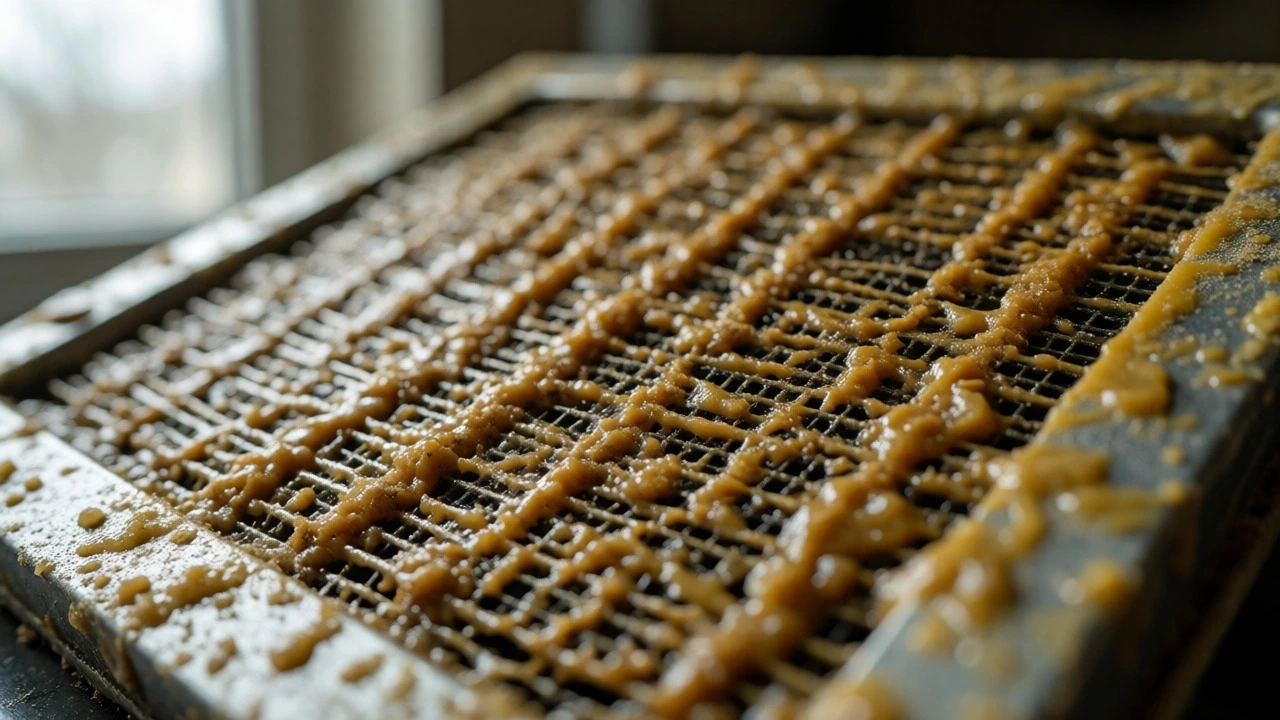
Usage intensity is the biggest factor. If you run your kitchen hood every time you cook-and you should-it works harder than a bathroom fan used only during showers. Kitchen fans deal with heavy grease particles that coat the blades and motor housing. This buildup acts like insulation, causing the motor to overheat and burn out faster. Bathroom fans, while dealing with constant moisture, usually face less abrasive debris.
Installation quality plays a huge role too. A fan that isn’t vented properly-say, into a ceiling cavity instead of outside-recirculates damp air back into the room. This forces the motor to work against higher resistance, shortening its life. Similarly, if the ducting is crushed or too long without support, airflow drops, and the motor strains.
Maintenance neglect is the silent killer. Filters clogged with grease restrict airflow. When airflow drops, the motor has to spin faster to move the same amount of air, generating excess heat. Heat is the enemy of electric motors. Once the bearings dry out or the windings degrade from thermal stress, the game is over.
Lifespan by Type: Kitchen vs. Bathroom
Not all fans are created equal. The environment they operate in dictates their expected service life. Here’s a breakdown of what you can realistically expect based on the fan type and location.
| Fan Type | Average Lifespan | Primary Wear Factors | Best For |
|---|---|---|---|
| Kitchen Chimney Hood | 7-10 Years | Grease buildup, motor heat, filter clogging | Heavy cooking, open-plan kitchens |
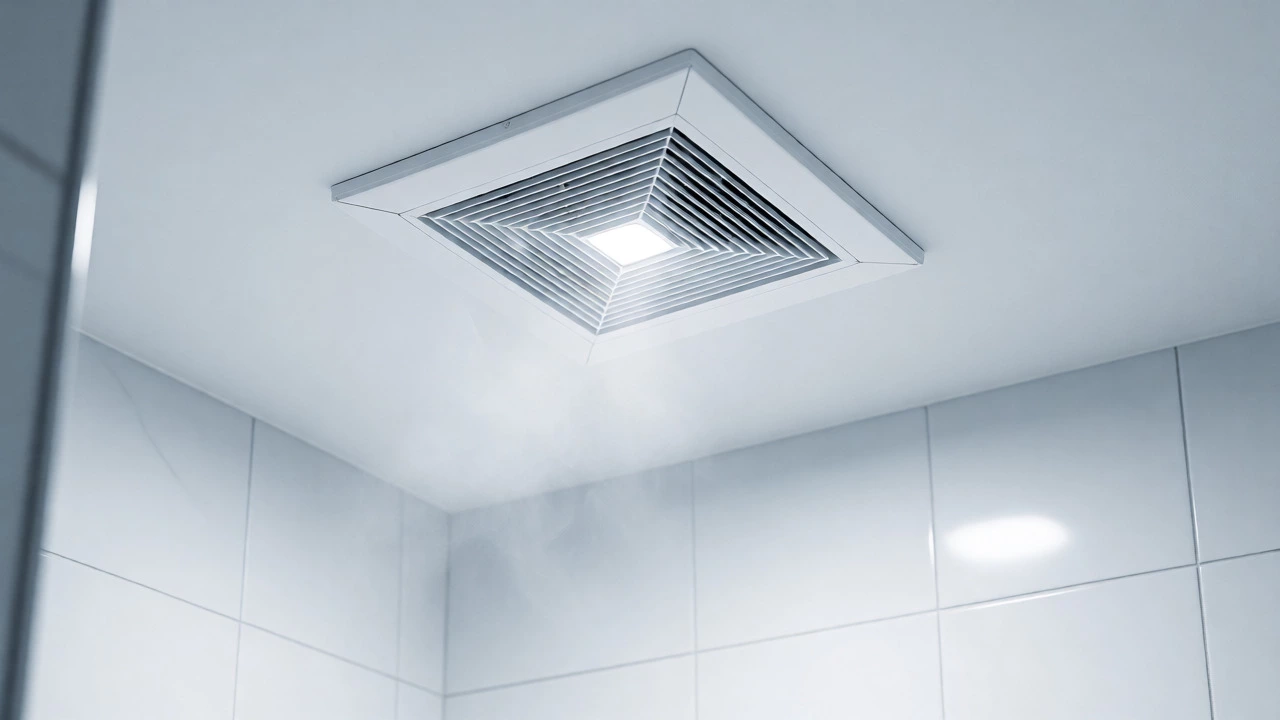
| Bathroom Ceiling Fan | 8-12 Years | Humidity corrosion, dust accumulation | Standard bathrooms, en-suites |
| Inline Duct Fan | 10-15 Years | Dust in ductwork, bearing wear | Long duct runs, quiet operation needs |
| Window Vent Fan | 5-8 Years | Weather exposure, seal degradation | Retrofits, rental properties |
| Recirculating Hood | 4-6 Years (Filters) | Charcoal filter saturation, motor strain | Kitchens without external venting |
Notice the difference in the recirculating hoods? While the motor itself might last longer, the charcoal filters lose effectiveness quickly. You aren’t technically replacing the whole fan, but you’re doing so much maintenance that it feels like the system is failing. In contrast, inline fans often last the longest because the motor is tucked away in the loft, away from direct grease splatter and bathroom humidity.
Signs Your Extractor Fan Is Nearing Its End
You don’t need to be an engineer to spot trouble. Your fan will tell you when it’s struggling. If you ignore these signs, you risk complete failure or, worse, a fire hazard from overheating components.
- Unusual Noises: A slight hum is normal. Grinding, squealing, or rattling means bearings are worn or blades are hitting the casing. If cleaning doesn’t fix it, the motor is likely done.
- Reduced Airflow: Hold a piece of tissue paper near the intake. If it doesn’t stick firmly, suction is weak. This usually points to blocked ducts first, then motor failure.
- Overheating: Touch the casing after it’s been running for ten minutes. If it’s too hot to keep your hand on, the motor is working too hard.
- Smell of Burning Plastic: This is an emergency stop signal. It indicates electrical components are melting or wiring is failing.
- Inconsistent Speed: If the fan starts slow and speeds up, or vice versa, the capacitor controlling the speed might be failing. This is a repairable issue, but often a sign the unit is aging.
How to Extend the Life of Your Fan
You can double the lifespan of a mid-range fan with simple habits. It’s not about buying expensive gear; it’s about consistency.
Clean the filters monthly. For kitchen hoods, remove the metal grease filters and soak them in hot water with degreasing dish soap. Scrub gently with a non-abrasive brush. Let them dry completely before reinstalling. Wet filters rust and reduce efficiency. For bathroom fans, vacuum the grille and blades quarterly to remove dust bunnies that block airflow.
Run it longer than you think. Many people turn the fan off the second the stove is off. Big mistake. Moisture and odors linger in the air. Run your kitchen hood for at least 10-15 minutes after cooking finishes. For bathrooms, let it run for 20 minutes post-shower to fully extract humidity. This prevents mold growth on the fan’s internal components, which corrodes electronics.
Check the ducting annually. Look for kinks, disconnections, or holes in the flexible aluminum ducting. Even a small leak lets warm, moist air escape into your attic or wall cavity, where it condenses and causes rot. Ensure the exterior vent flap opens freely when the fan is on. If it’s stuck closed due to paint or rust, the fan fights against a closed door, burning out the motor.
Repair or Replace? Making the Smart Choice
When your fan fails, do you call a technician or head to the hardware store? It depends on the age and the fault.
If the fan is under five years old, repair is usually worth it. Common issues like a broken light bulb, a faulty switch, or a seized bearing can be fixed for $50-$100. However, if the motor itself has burned out, replacement is often cheaper. New motors cost nearly as much as a new basic unit, plus labor.
For units older than eight years, replacement is almost always the better financial decision. Energy efficiency standards have improved significantly. Modern EC (Electronically Commutated) motors use up to 50% less electricity than older AC motors. They also run quieter and have variable speed controls that extend their own lifespan by reducing unnecessary strain.
Consider the "repairability score." Some brands design their fans as sealed units. If one part breaks, you must replace the whole assembly. Others allow easy access to screws and panels. Check reviews before buying if you plan to keep the appliance for a decade.
Common Mistakes That Kill Fans Early
Even careful owners make mistakes that shorten lifespan. Avoid these pitfalls to protect your investment.
Using the wrong size fan. An undersized fan struggles to clear a large room, leading to constant overuse and premature wear. Always calculate the required CFM (Cubic Feet per Minute) based on room volume. A rule of thumb: divide the room’s cubic feet by 60 to find the minimum CFM needed for adequate ventilation.
Neglecting the exterior vent. Birds, squirrels, and leaves love to nest in outdoor vents. If the vent is blocked, the fan pushes air nowhere. It just circulates hot air inside the motor housing. Install a mesh screen over the external vent to keep pests out without restricting flow.
Ignoring moisture sensors. If your fan has a humidity sensor, test it occasionally. If it fails to trigger, the fan won’t run when needed, allowing mold to grow on the fan blades themselves. Mold adds weight and imbalance, causing vibration and mechanical stress.
Can I extend the life of my extractor fan beyond 10 years?
Yes, especially with inline fans kept in dry lofts. Regular cleaning of ducts and blades, ensuring proper ventilation paths, and using timers to prevent over-running can push lifespans to 15+ years. However, plastic components may become brittle over time, increasing breakage risk during maintenance.
Is it dangerous to use a noisy extractor fan?
Generally, no, unless it smells like burning or sparks fly. Noise usually indicates worn bearings or loose blades. While inefficient, it’s rarely an immediate safety hazard. However, if the noise changes suddenly to a grinding sound, shut it off immediately to prevent motor seizure, which can cause overheating.
Do charcoal filters affect the lifespan of recirculating fans?
Indirectly, yes. Saturated charcoal filters increase resistance, forcing the motor to work harder. This generates extra heat, which degrades motor windings faster. Replacing filters every 3-6 months reduces motor strain and extends the overall unit's life.
Why did my new fan fail after two years?
Likely causes include poor installation (crushed ducts), excessive grease buildup from frequent frying without cleaning, or manufacturing defects. Check if the unit was vented correctly to the outside. Recirculating modes place more stress on motors than direct venting.
Should I upgrade to an EC motor fan?
If you budget allows, yes. EC motors are more durable, energy-efficient, and quieter. They adjust speed based on demand, reducing wear during low-use periods. The upfront cost is higher, but the lower electricity bills and longer lifespan typically offset the difference within 3-5 years.
I am an expert in the services industry with a focus on appliance repair. My passion lies in understanding how things work and educating others in simple, engaging ways. This enthusiasm fuels my writing, where I delve into topics around appliance maintenance and troubleshooting. I aim to make these subjects clear and accessible to all readers.