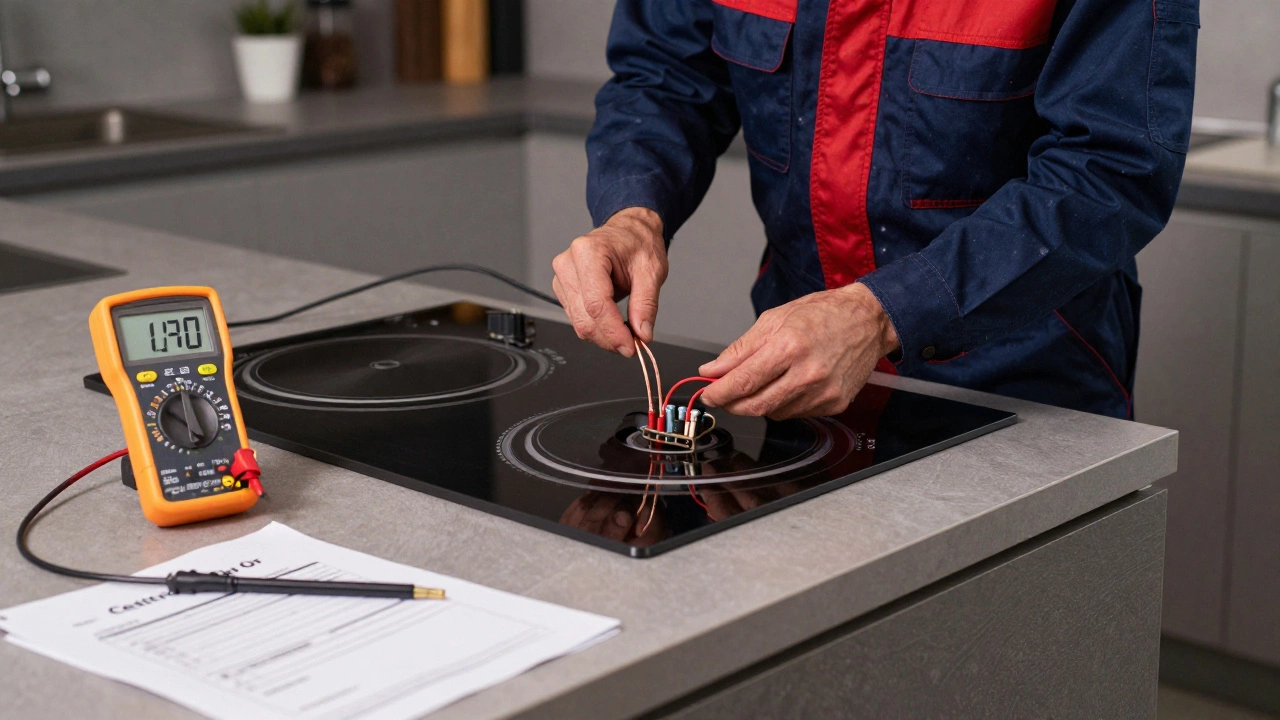
Replacing an electric hob isn’t like swapping out a light bulb. You can’t just unplug it, pull it out, and slide a new one in without knowing what you’re doing. If you’ve got a cracked glass top, a burner that won’t heat, or you’re upgrading to a smarter model, you might be wondering: do you need an electrician to replace an electric hob? The short answer? Yes - unless you’re a qualified electrician yourself.
Why an electrician is required for electric hob replacement
Electric hobs don’t run on standard plugs. They’re hardwired directly into your home’s electrical system, usually on a dedicated 240-volt circuit. That’s the same voltage used for electric dryers or ovens. This isn’t a 120-volt outlet you can plug a toaster into. It’s a high-power circuit built to handle 7,000 to 10,000 watts of electricity. Mess with that without proper training, and you risk electrocution, fire, or damaging your home’s entire electrical panel.In New Zealand, the Electrical (Safety) Regulations 2010 require any work on fixed wiring - including hobs - to be done by a licensed electrician. Even if you’re just swapping the hob for an identical model, the connection must be inspected and certified. Insurance companies won’t cover damage caused by unlicensed electrical work. If your house catches fire because you tried to wire the hob yourself, your claim could be denied.
What happens if you try to do it yourself
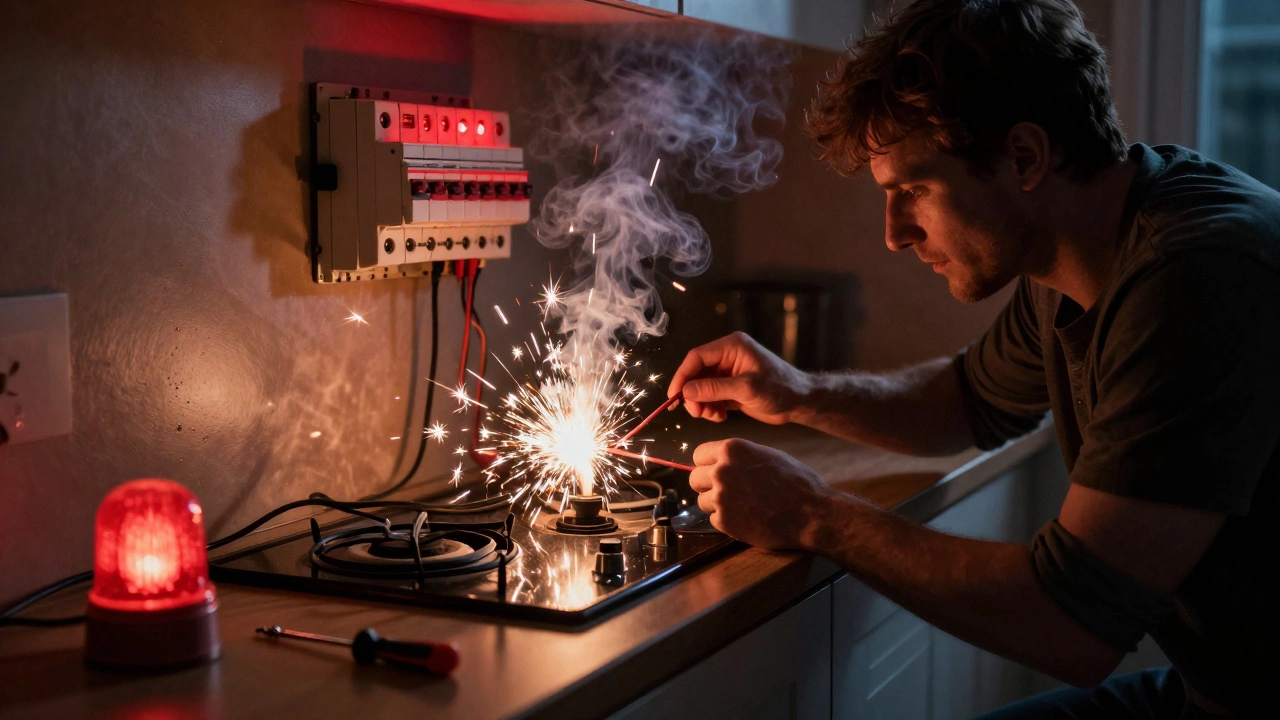
Some people think, “It’s just wires. I’ve changed a light switch before.” But a hob isn’t a light switch. You’re dealing with thick, high-current cables that can carry enough power to arc across a gap and ignite nearby materials. A loose terminal, a crossed wire, or a neutral that’s not properly grounded can cause:- Sparking or burning at the connection point
- Tripped breakers that won’t reset
- Overheating that melts insulation or damages the circuit board
- Electric shock when touching the hob or nearby metal
One homeowner in Christchurch tried to install a new induction hob after watching a YouTube video. He didn’t turn off the main breaker - just the circuit. He got a shock strong enough to knock him back three feet. The hob’s control board fried, and the wiring in the wall had to be replaced. He ended up paying more than if he’d hired an electrician from the start.
What the electrician actually does
A licensed electrician doesn’t just screw in a few wires. Here’s what a proper replacement involves:- Turning off the main power at the switchboard and verifying it’s dead with a multimeter
- Removing the old hob and inspecting the wiring for signs of damage, corrosion, or overheating
- Checking the circuit breaker rating - it must match the hob’s requirements (usually 32A or 40A)
- Matching the new hob’s cable type and size to the existing circuit
- Connecting live, neutral, and earth wires correctly - polarity matters
- Securing the connections with proper terminals, not just twisting wires
- Testing the hob for correct operation and grounding
- Issuing a Certificate of Compliance (CoC) as required by law
The CoC is critical. It’s not paperwork for the electrician’s benefit - it’s proof you followed the law. If you sell your house, a buyer’s inspector will ask for it. Without it, you could be forced to pay for a reinspection or even replace the entire system.
When you might not need an electrician
There’s one exception: if your hob is designed to plug into a standard 13-amp outlet. These are rare in New Zealand for built-in hobs, but you might find them in older apartments or imported models. Even then, you need to check:- Is the outlet on a dedicated circuit? (Not shared with other appliances)
- Does the plug and socket match the hob’s power rating?
- Is the circuit protected by an RCD (residual current device)?
If you’re unsure, don’t guess. Take a photo of the hob’s rating plate (usually on the underside) and ask an electrician. Most will give you a free 5-minute opinion. Better safe than sorry.
Cost of hiring an electrician vs. DIY risks
Hiring a licensed electrician for a standard electric hob replacement in Wellington typically costs between $300 and $600. That includes removal of the old unit, installation of the new one, testing, and the Certificate of Compliance. Some electricians include a 12-month warranty on their work.Doing it yourself might seem cheaper - maybe $0 if you already have the hob. But the hidden costs add up fast:
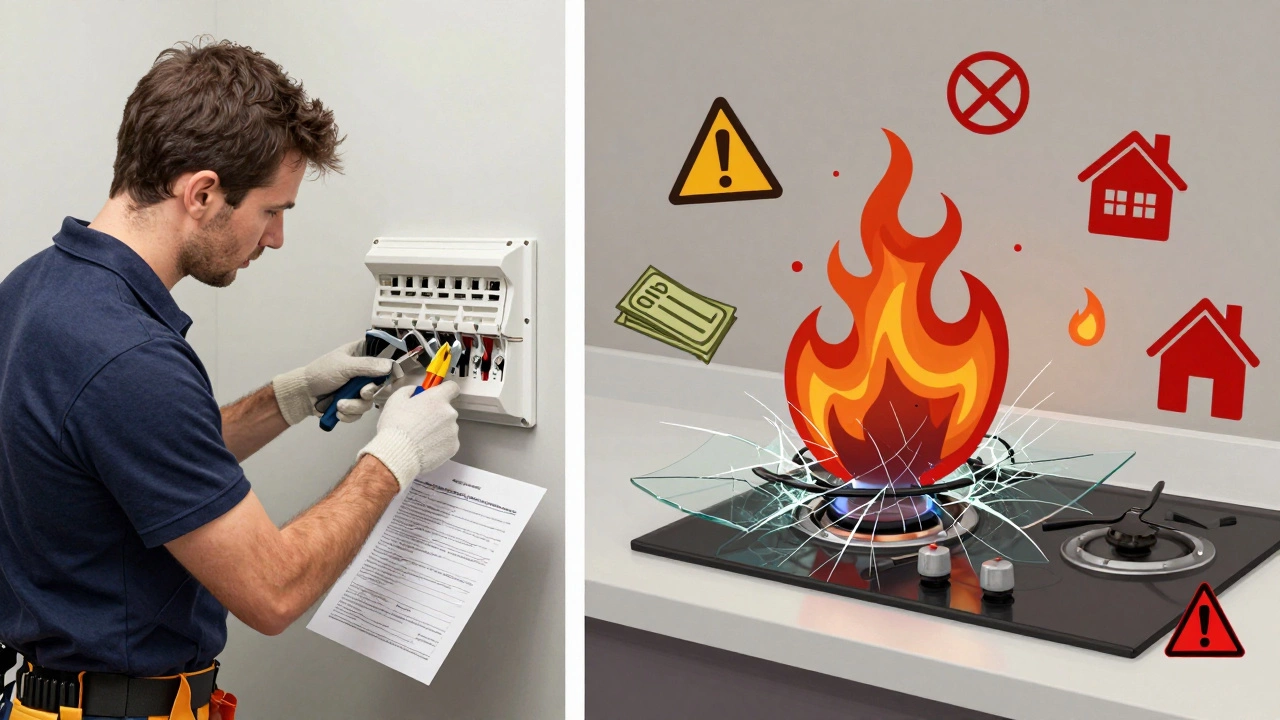
- Wrong wiring → $1,000+ to fix damaged circuitry
- Fire damage → $50,000+ in repairs and lost belongings
- Insurance denial → $0 payout when you need it most
- Failed inspection → $500+ to redo the work legally
It’s not about saving money. It’s about protecting your home, your family, and your wallet.
What to look for in an electrician
Not all electricians are the same. Make sure the person you hire:- Is licensed by the Electrical Workers Registration Board (EWRB)
- Can show you their current license number
- Has experience with built-in hobs, not just lighting or outlets
- Provides a written quote before starting
- Includes the Certificate of Compliance in the price
Ask if they’ve installed the exact model you’re buying. Some hobs have specific grounding requirements or need a particular type of junction box. An experienced electrician will know.
What to do before the electrician arrives
To save time and avoid delays:- Clear the area around the hob - remove pots, pans, and any items on the countertop
- Turn off the circuit breaker yourself before the electrician arrives
- Have the new hob delivered and ready to install
- Check the manufacturer’s installation manual for any special requirements
- Ask if the electrician needs access to the switchboard or under-cabinet space
Don’t try to move the old hob yourself unless you’re sure it’s unplugged. Some units are heavy, and the wiring can still be live if the breaker was mislabeled.
What happens if you skip the electrician and get caught
In New Zealand, unlicensed electrical work is a violation of the Electrical (Safety) Regulations. If the Electrical Inspection Unit finds out - which they often do during home inspections, insurance claims, or neighbor complaints - you could face:- A fine of up to $5,000 for individuals
- Being forced to remove the installation
- Being required to pay for a full reinspection
- Being listed on a public register of non-compliant owners
It’s not just a paperwork issue. It’s a safety issue. And it’s not worth the risk.
Final advice: Don’t gamble with electricity
Electricity doesn’t care if you’re handy. It doesn’t care if you’ve done other home repairs. It doesn’t care if you’re in a hurry. It follows physics, not shortcuts. A mistake in wiring can kill you or burn your house down in seconds.Replacing an electric hob is a job for a licensed electrician. It’s not expensive. It’s not complicated for them. And it’s the only way to be sure your home is safe, legal, and covered by insurance.
Call a licensed electrician. Get the job done right. Sleep better at night.
Can I replace my electric hob without turning off the power?
No. Never attempt to replace or work on an electric hob without turning off the main power at the switchboard. Even if the hob is switched off at the wall, the wiring behind it may still be live. Only a licensed electrician should handle the disconnection and reconnection of hardwired appliances.
Is it cheaper to replace an electric hob myself?
It might seem cheaper at first, but the risks far outweigh the savings. If you mess up the wiring, you could face costly repairs, insurance denial, or even a house fire. Hiring a licensed electrician typically costs $300-$600 and includes a legal Certificate of Compliance - which protects you legally and financially.
Do all electric hobs need to be hardwired?
Most built-in electric hobs in New Zealand are hardwired directly into a 240-volt circuit. Some portable or older models may plug into a standard 13-amp outlet, but these are uncommon. Always check the hob’s rating plate and installation manual. If in doubt, assume it needs professional installation.
What’s a Certificate of Compliance, and why do I need it?
A Certificate of Compliance (CoC) is a legal document issued by a licensed electrician that proves electrical work meets New Zealand safety standards. It’s required by law for fixed appliance installations. Without it, your home insurance may be void, and you could be fined if inspected. It’s also needed when selling your property.
Can I use any electrician, or do they need special experience?
Any licensed electrician can legally do the job, but it’s best to choose one with experience installing hobs or cooktops. These units have specific wiring requirements, grounding needs, and sometimes require special junction boxes. Ask if they’ve installed your exact model before.
I am an expert in the services industry with a focus on appliance repair. My passion lies in understanding how things work and educating others in simple, engaging ways. This enthusiasm fuels my writing, where I delve into topics around appliance maintenance and troubleshooting. I aim to make these subjects clear and accessible to all readers.