Electric Hob Repair vs. Replace Calculator
Use this tool to estimate if you should call a technician or shop for a new hob. Enter your details below.
1. Your Hob Details
2. The Fault & Quote
Imagine staring at a cold, unresponsive electric hob while dinner burns on the stove next to it. It’s frustrating, sure. But the real panic sets in when you wonder if fixing it will cost more than buying a new one. That hesitation is normal. Most people don’t know that repair costs vary wildly depending on whether you have an older resistive coil model or a sleek modern induction unit.
The truth? There is no single price tag for "fixing a hob." A simple switch replacement might set you back £80, while replacing a cracked glass top could hit £350. To help you decide whether to call a technician or shop for a replacement, we need to break down exactly what drives these numbers up and down.
Key Takeaways on Electric Hob Repair Costs
- Average Cost Range: Expect to pay between £100 and £350 for most common repairs, including labor and parts.
- The Glass Top Factor: Replacing a cracked ceramic or induction glass surface is often the most expensive job, frequently costing 40-50% of a new unit's price.
- Induction vs. Ceramic: Induction hobs generally cost more to repair due to complex electronics and specialized components compared to standard radiant ceramic hobs.
- Call-Out Fees: Always ask if the call-out fee is waived if you proceed with the repair; many reputable engineers waive this £40-£60 charge.
- Age Matters: If your hob is over 10 years old, repair costs exceeding £150 usually make replacement the smarter financial move.
Understanding the Price Breakdown: Parts vs. Labor
When you get a quote, it rarely comes as one lump sum without explanation. Technicians typically split charges into two buckets: the call-out/diagnostic fee and the actual repair work. This distinction matters because some companies charge separately for diagnosis even if you decline the repair.
The call-out fee covers the engineer’s travel time and initial inspection. In 2026, this averages around £45 to £65 depending on your location. Urban areas like London or Manchester tend to sit at the higher end of this spectrum. However, here is a pro tip: always ask upfront if this fee is deducted from the final bill if you authorize the repair. Many independent specialists do this to build trust, whereas large franchise chains often keep it as pure profit.
Labor rates themselves hover around £60 to £90 per hour. Simple jobs like swapping a faulty zone switch take under an hour. Complex electronic board failures might require two hours plus ordering specific parts. If a part needs to be ordered (which happens about 30% of the time), expect a second visit or a wait period, which can sometimes incur additional administrative fees.
Common Repairs and Their Specific Costs
Not all breakdowns are created equal. Knowing what is actually broken helps you sanity-check the quote you receive. Let’s look at the three most frequent issues technicians encounter.
| Component/Fault | Estimated Part Cost | Total Estimated Cost (Parts + Labor) | Repair Viability |
|---|---|---|---|
| Faulty Zone Switch | £15 - £40 | £90 - £130 | Highly Recommended |
| Burnt Out Heating Element | £20 - £60 | £110 - £160 | Recommended if <7 years old |
| Main Control Board Failure | £80 - £200 | £180 - £300 | Depends on Hob Age |
| Cracked Glass Surface | £150 - £300 | £250 - £450 | Often Not Worth It |
| Thermostat/Sensor Fault | £25 - £50 | £100 - £140 | Highly Recommended |
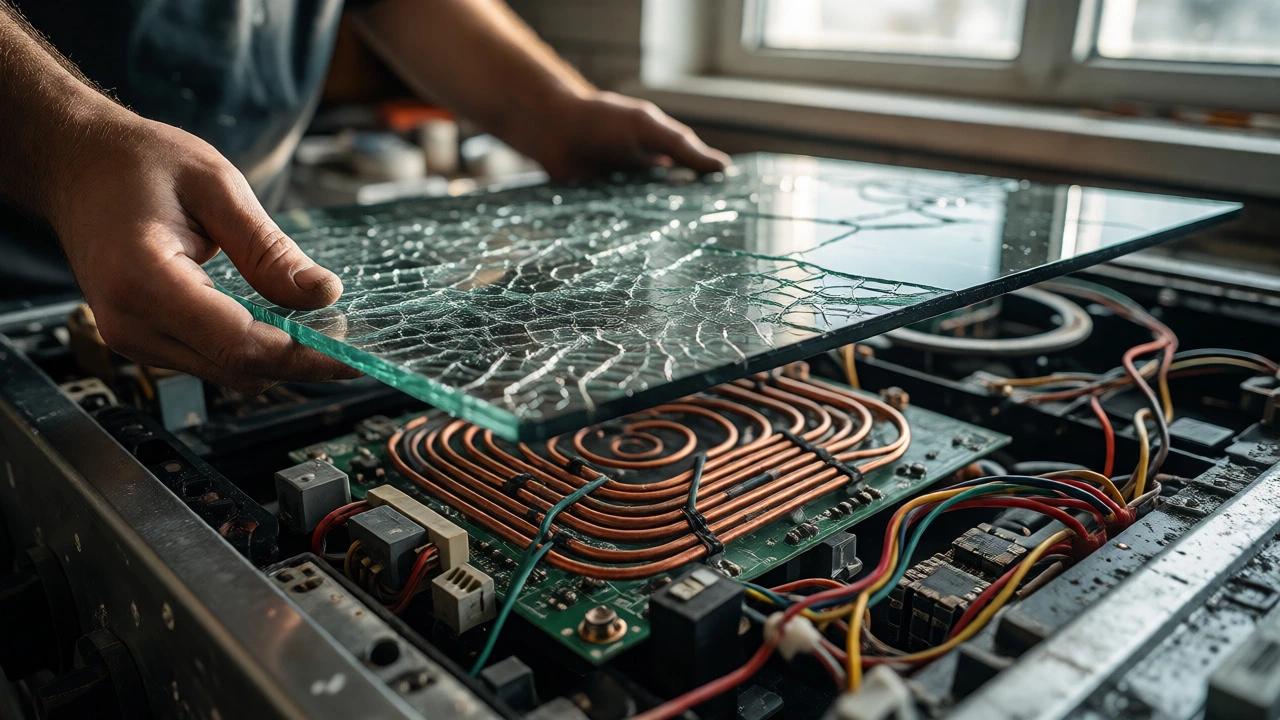
Notice the huge jump in cost for the glass surface. Why? Because the glass isn't just a cover; it’s structurally bonded to the heating elements and sensors underneath. Removing it without breaking the surrounding seals is difficult. Plus, shipping fragile glass panels adds to the part cost. If your quote for glass replacement exceeds half the price of a new mid-range hob, walk away.
Induction vs. Ceramic: Why Technology Changes the Bill
You might assume all electric hobs are the same under the hood. They aren’t. The technology inside dictates both the complexity of the repair and the availability of parts.
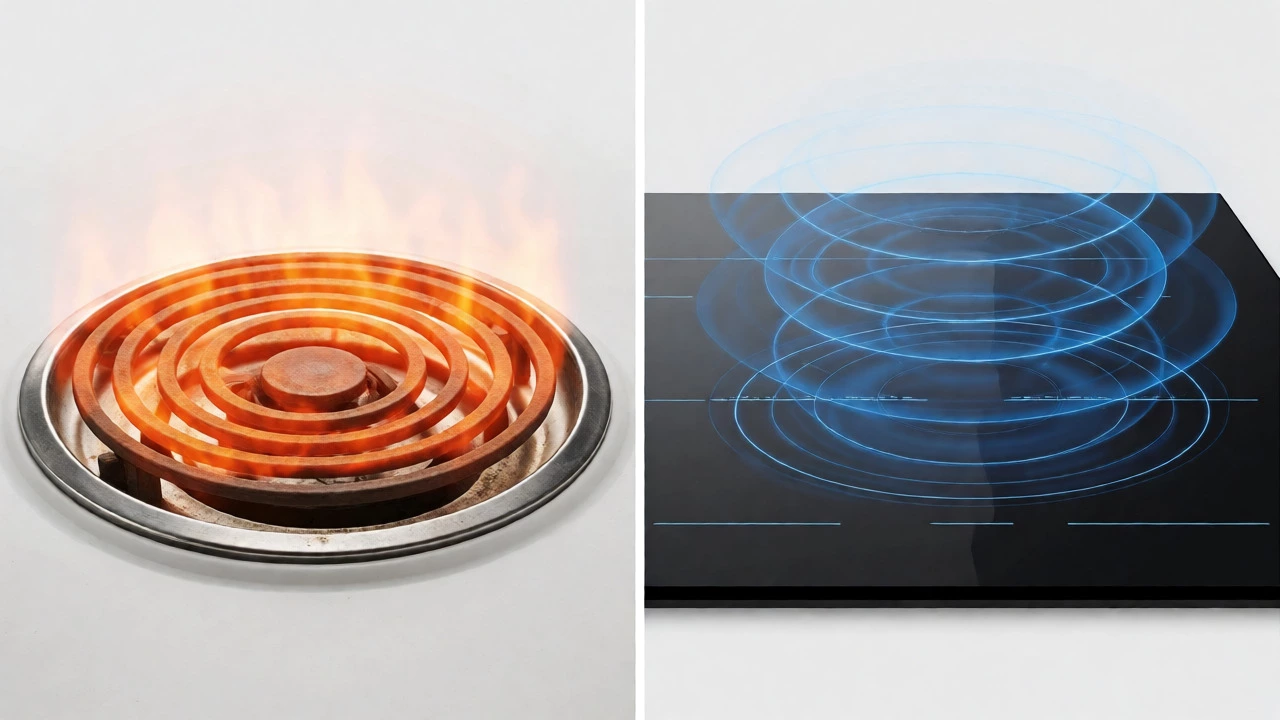
Ceramic hobs use radiant heating elements beneath a solid glass plate. These are mechanically simpler. If a zone doesn't heat, it’s often just a burnt-out element or a bad relay. Parts are widely available and relatively cheap. Even if you have a budget brand, generic compatible elements often exist.
Induction hobs, however, rely on electromagnetic coils and sophisticated power electronics to generate heat directly in the pan. When an induction zone fails, it’s frequently an issue with the IGBT (Insulated Gate Bipolar Transistor) modules or the main PCB. These components are sensitive and brand-specific. For premium brands like Bosch, Siemens, or Miele, original spare parts can be pricey. Furthermore, diagnostic tools for induction units are more advanced, meaning fewer generalist handymen can touch them. You need a specialist, which keeps labor rates firm.
When to Repair vs. Replace: The Decision Matrix
This is the million-dollar question-or rather, the hundred-pound question. How do you decide?
Use the "50% Rule" as a baseline. If the repair cost is more than 50% of the price of a comparable new hob, replace it. But there are nuances. Consider energy efficiency. Older electric hobs are less efficient than modern induction models. An induction hob heats faster and uses less electricity. Over five years, the energy savings might offset the higher purchase price of a new unit.
Also, consider safety. If the glass is cracked near the edge, water can seep into the electronics, causing shorts or shocks. If the internal wiring looks scorched or melted during inspection, the risk of fire increases. No amount of saving is worth compromising kitchen safety. Conversely, if the fault is minor-like a single non-working burner on a four-burner unit-and the rest works perfectly, repairing is almost always the right choice.
Pitfalls to Avoid When Hiring a Technician
The appliance repair industry has its share of cowboy operators. Here is how to protect your wallet.
- Quote First, Fix Second: Never let someone start work without a clear estimate. Ask for a fixed-price quote if possible, not just an hourly rate.
- Check for Warranty: A reputable engineer will offer at least a 3-month warranty on both parts and labor. If they refuse to provide this in writing, be wary.
- Ask About Part Availability: Before booking, describe your hob’s make and model number. Ask if they stock the likely parts. A technician who has to order everything adds days to your downtime.
- DIY Temptation: Changing a plug is easy. Replacing a control board requires disconnecting mains power and handling high-voltage capacitors. Unless you are qualified, leave the internals to the pros. One wrong connection can void insurance claims.
Related Concepts and Connected Topics
Your electric hob doesn't operate in isolation. Its performance is linked to your home’s electrical infrastructure. Frequent tripping of circuit breakers when using multiple zones simultaneously might indicate an overloaded ring main rather than a faulty hob. Similarly, poor ventilation under the hob can cause overheating and premature failure of the cooling fans. While fixing the immediate problem, ask your engineer to check the airflow clearance. It’s a free piece of advice that extends the life of your repair.
If you find yourself replacing the hob entirely, consider looking into dual-fuel ranges or separate oven and hob setups. These allow you to mix technologies-perhaps sticking with gas for speed but using induction for precision cooking. Understanding these broader kitchen appliance ecosystems helps you plan long-term upgrades rather than reactive fixes.
Is it worth repairing a 10-year-old electric hob?
Generally, no. At 10 years old, other components are likely nearing the end of their lifespan. If the repair cost exceeds £150, you are better off investing in a new unit with a full manufacturer warranty and better energy efficiency ratings.
Can I replace the glass on my electric hob myself?
While physically possible, it is not recommended for beginners. The glass is heavy, fragile, and sealed tightly to prevent moisture ingress. Improper resealing leads to steam damage in the electronics below, turning a £200 repair into a total loss.
Why is my induction hob making a clicking noise?
Clicking is often normal on induction hobs as the magnetic field switches on and off to regulate temperature. However, loud buzzing combined with error codes usually indicates a fan motor failure or a loose coil assembly, which requires professional attention.
Do manufacturers still sell parts for discontinued hob models?
Most major manufacturers guarantee spare parts availability for 7 to 10 years after discontinuation. After that, you may need to source from third-party suppliers or salvage yards, which increases uncertainty regarding fit and quality.
What is the average lifespan of an electric hob?
With proper care, a high-quality electric or induction hob should last between 10 and 15 years. Budget models may fail sooner, particularly the glass tops or control boards, within 7 to 8 years.
I am an expert in the services industry with a focus on appliance repair. My passion lies in understanding how things work and educating others in simple, engaging ways. This enthusiasm fuels my writing, where I delve into topics around appliance maintenance and troubleshooting. I aim to make these subjects clear and accessible to all readers.