Oven Installation Requirement Checker
What type of connection does your new oven have?
Check the back of the unit or the manual.
Standard Plug
Has a 3-pin plug
Hardwired
Thick cables, no plug
Is there an existing socket available?
Does a compliant power point already exist where the oven will go?
Yes, socket exists
I just need to plug it in.
No, need new socket
I need to install a new outlet or replace an old one.
How old is the existing wiring?
If you aren't sure, assume it's older than 1990.
Modern (Post-1990)
Flexible plastic insulation with proper earth.
Older / Unknown
Rubber insulation or unsure of condition.
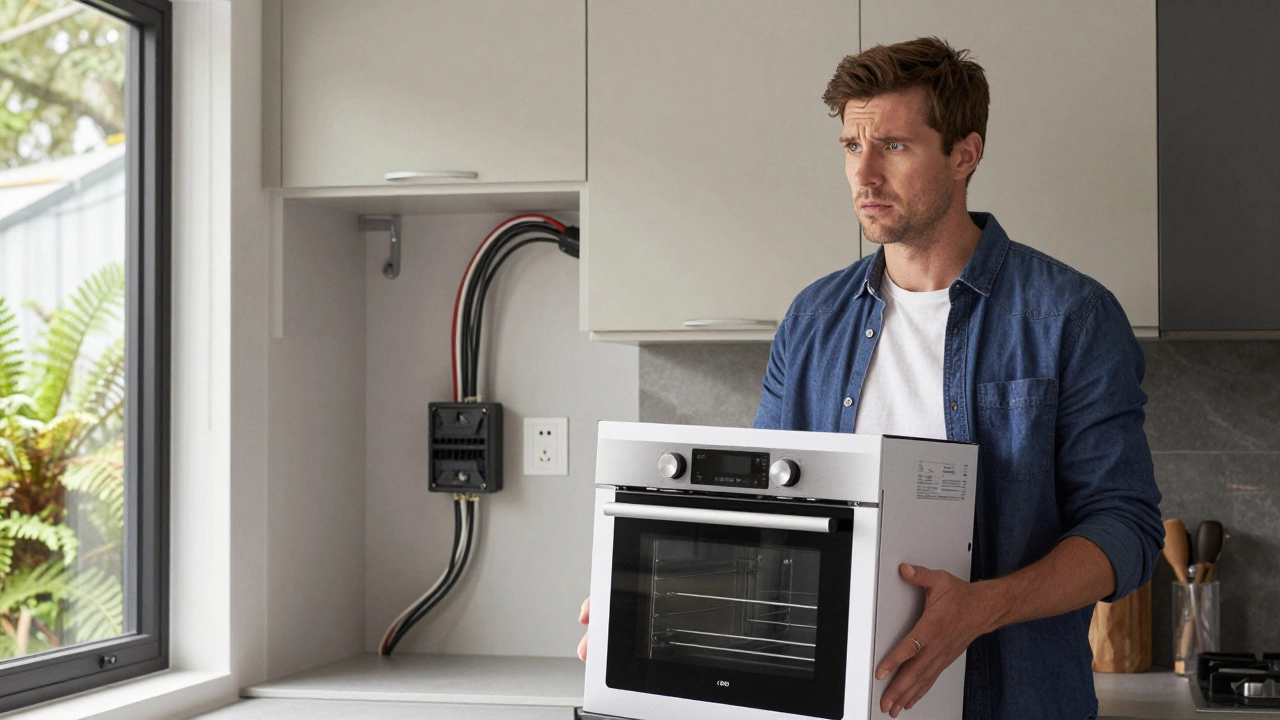
Staring at that empty hole in your kitchen cabinetry after removing a broken oven can feel like a moment of triumph. You’ve done the heavy lifting, you’ve got the new appliance unboxed, and you’re ready to plug it in. But then you look at the back of the unit and see thick cables instead of a standard plug. Or worse, you remember reading something about New Zealand electrical regulations being strict. The question hits hard: do I really need to call a professional, or can I handle this myself?
The short answer is: almost certainly, yes. In New Zealand, replacing an electric oven isn’t just about matching wires; it’s about compliance with the Electricity (Safety) Regulations 2010. If you get this wrong, you risk voiding your home insurance, failing your next building inspection, or-worst case scenario-starting an electrical fire. Let’s break down exactly when you need a pro and why cutting corners is rarely worth the savings.
The Plug vs. Hardwired Distinction
Not all ovens are created equal when it comes to power connections. The first thing you need to determine is how your new oven connects to the grid. This single factor dictates whether you might be able to swap units yourself or if you must hire a licensed electrician.
If your new oven comes with a standard three-pin plug, you technically only need to ensure the existing outlet is compatible. However, most built-in or high-capacity electric ovens in New Zealand do not have plugs. They are designed to be hardwired directly into the household circuit. This means connecting the live, neutral, and earth wires from your home’s wiring straight into the terminal block on the back of the oven.
Under New Zealand law, any work involving fixed wiring is classified as "electrical work." This includes terminating a cable into a device like an oven. Even if you are handy with tools, performing this task without a license is illegal unless you are working on your own property and strictly adhere to specific exemptions-which rarely cover permanent installations for major appliances due to safety risks.
Why New Zealand Regulations Are Strict
You might wonder why the rules here are so tight compared to other countries. It comes down to safety standards and accountability. The Electrical Workers Registration Board (EWRB) oversees who can perform electrical work in NZ. Their goal is to prevent electrocution and fires caused by poor connections, incorrect wire gauges, or inadequate earthing.
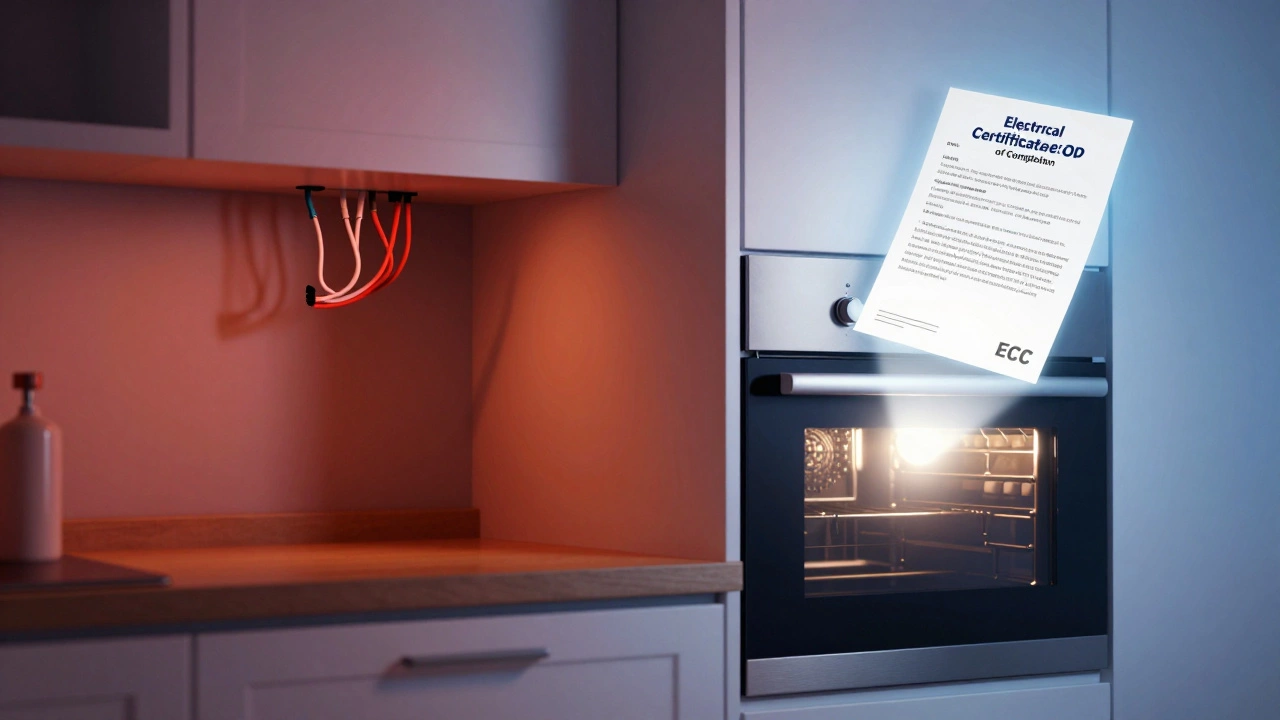
When an electrician completes a job, they issue an Electrical Certificate of Completion (ECC). This document is crucial. It proves that the installation meets the AS/NZS 3000 Wiring Rules. Without this certificate, you have no proof of compliance. If an electrical fault causes damage to your home later, your insurer will likely deny the claim if they discover the oven was installed without a proper ECC.
Signs You Definitely Need an Electrician
Here are the specific scenarios where hiring a professional is non-negotiable:
- Hardwired Connections: Your oven has no plug and requires direct connection to the mains supply.
- Circuit Upgrades: Your existing circuit breaker is rated too low (e.g., 15A) for the new oven’s requirements (often 20A or 32A).
- Aging Wiring: Your home has old rubber-insulated wiring or lacks a proper earth connection.
- New Outlets: You need to run a new cable from the distribution board to the kitchen location.
- Dual Fuel Cookers: These often require separate circuits for the hob and the oven, plus gas line checks.
The Risks of DIY Installation
Let’s talk about what happens if you decide to bypass the rules. Maybe you watch a few YouTube videos and feel confident twisting some wires together. Here is the reality check:
Loose Connections Cause Fires. An oven draws significant current-often between 2,000 and 4,000 watts. If the terminals aren’t tightened to the correct torque, resistance builds up. Over time, this heat can melt insulation, char surrounding materials, and ignite cabinetry. This is one of the leading causes of kitchen fires.
Incorrect Earthing. Modern ovens rely on a solid earth connection to protect you from shock if internal components fail. If the earth wire is loose or disconnected, the metal casing of your oven could become live. Touching it while standing on a wet floor could be fatal.
Voided Warranty. Most appliance manufacturers explicitly state in their warranty terms that installation must be performed by a qualified person. If the control board burns out six months later due to a voltage spike or poor connection, the manufacturer will refuse to replace it if they suspect improper installation.
What Does the Electrician Actually Do?
Hiring an electrician isn’t just about twisting wires. A professional brings several layers of safety and expertise to the table:
- Circuit Assessment: They check if your existing circuit can handle the load. They verify the wire gauge (typically 2.5mm² or 4mm² copper) and the breaker rating match the oven’s specifications.
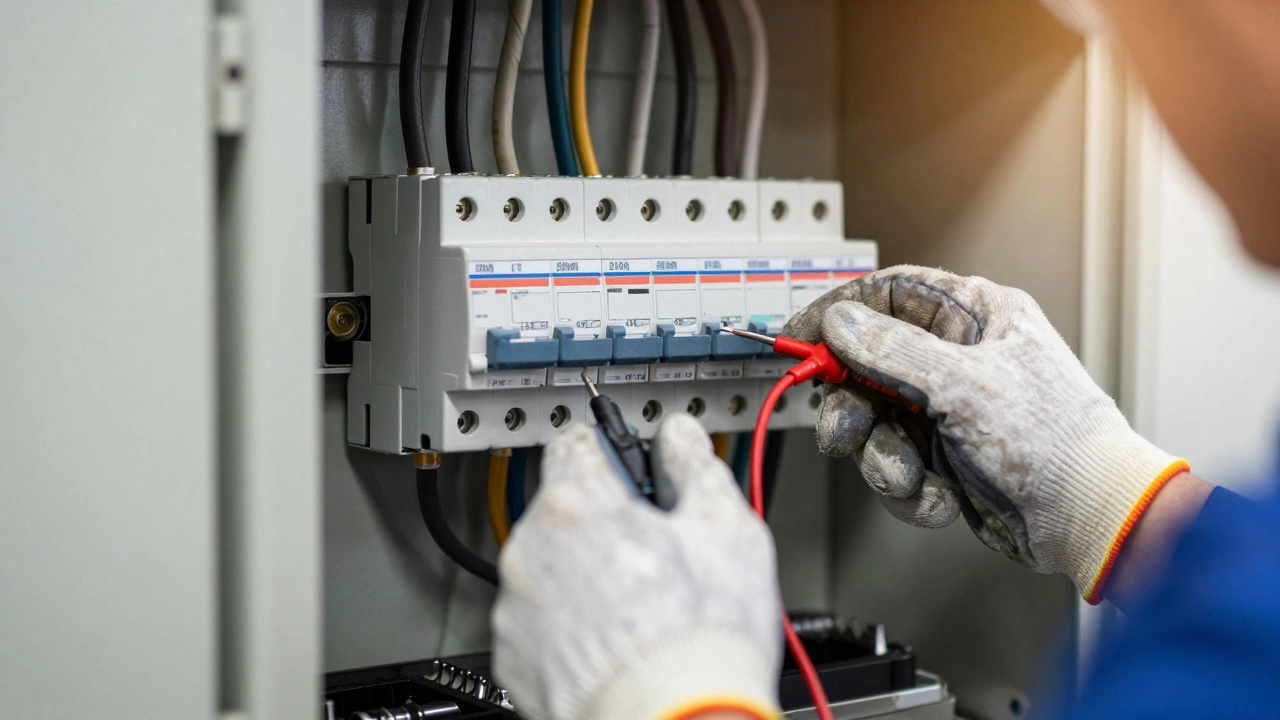
- Safe Isolation: They properly isolate the power at the distribution board and test for dead conditions before touching any wires.
- Correct Termination: They strip the wires to the exact length, insert them into the correct terminals (Live, Neutral, Earth), and tighten them securely.
- Testing: After installation, they perform continuity tests, insulation resistance tests, and polarity checks to ensure everything is safe.
- Documentation: They provide the Electrical Certificate of Completion (ECC), which you should keep with your home records.
Cost vs. Value: Is It Worth It?
In Wellington and across New Zealand, calling an electrician for an oven replacement typically costs between $150 and $300, depending on the complexity. If you need a new circuit installed, that price jumps significantly. Compared to the cost of a new oven ($800-$2,000+) and the potential cost of a house fire, this fee is minor.
Think of it as an insurance premium. You are paying for peace of mind and legal compliance. The alternative is living with anxiety every time you bake a roast chicken, wondering if the wires behind the cabinet are heating up.
Steps to Prepare Before the Electrician Arrives
To make the process smooth and potentially reduce labor time, prepare your kitchen beforehand:
- Remove the Old Oven: Carefully disconnect and remove the old unit. Clear the space completely.
- Check Dimensions: Ensure the new oven fits perfectly in the cutout. Measure width, height, and depth.
- Clear Access: Make sure the path from the front door to the kitchen and the area around the distribution board is clear.
- Have the Manual Ready: Provide the installation manual for the new oven to the electrician. It contains specific wiring diagrams and torque settings.
FAQ
Can I install a plug-in electric oven myself?
If the oven has a standard three-pin plug and you are simply plugging it into an existing, compliant socket, you generally do not need an electrician. However, you must ensure the socket is rated for the oven's amperage (usually 13A or higher) and is not shared with other high-draw appliances. If you need to install a new socket or modify the wiring behind it, you must hire a licensed electrician.
What is an Electrical Certificate of Completion (ECC)?
An ECC is a legal document issued by a licensed electrician in New Zealand after completing electrical work. It certifies that the installation complies with the Electricity (Safety) Regulations 2010 and AS/NZS 3000 standards. You should always request this certificate and keep it with your home maintenance records for future sales or insurance claims.
How much does it cost to hire an electrician to install an oven in NZ?
For a straightforward replacement where the wiring is already in place, expect to pay between $150 and $300 including GST. If new cabling needs to be run from the distribution board or if the circuit breaker needs upgrading, costs can range from $300 to $600 or more, depending on the distance and accessibility.
Is it illegal to wire my own oven in New Zealand?
Yes, for most homeowners. Under the Electricity (Safety) Regulations 2010, only licensed electrical workers can perform fixed wiring installations. While there are limited exemptions for homeowners doing work on their own residence, these typically exclude complex installations like hardwired ovens due to the high risk involved. Performing unauthorized electrical work can lead to fines and invalidated insurance.
What if my new oven doesn't fit the existing wiring?
If your new oven requires a different amperage or voltage than your current setup, an electrician must upgrade the circuit. This involves changing the circuit breaker in your distribution board and possibly running thicker cables from the board to the oven location. Never attempt to force a high-draw appliance onto an undersized circuit, as this creates a severe fire hazard.
I am an expert in the services industry with a focus on appliance repair. My passion lies in understanding how things work and educating others in simple, engaging ways. This enthusiasm fuels my writing, where I delve into topics around appliance maintenance and troubleshooting. I aim to make these subjects clear and accessible to all readers.