Boiler Repair vs. Replacement Decision Tool
Use this tool to apply the "50% Rule" and other heuristics from our guide. Enter your details below to get a data-driven recommendation.
Your Boiler Details
Enter your boiler details and click "Analyze" to see if you should fix or replace.
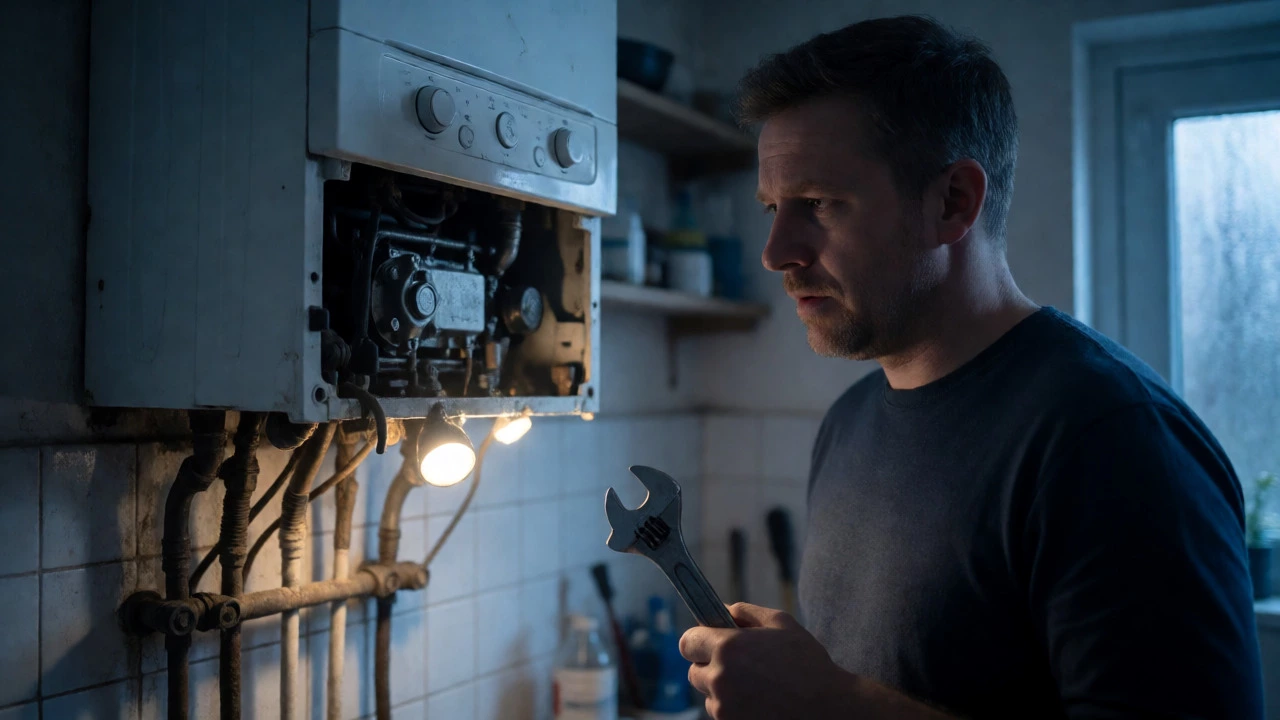
Standing in a cold house with a clanking, leaking boiler is not how anyone wants to spend their Tuesday. The panic sets in quickly. You call a technician, they diagnose the issue, and then drop the big question: "Do you want me to fix this, or are you thinking about replacing it?" It’s a stressful choice because both options involve significant money. One path leads to more repairs next winter; the other might be overkill if your current unit has five good years left. So, how do you decide?
The answer isn't just about the price tag of the part that broke. It's about the age of your boiler, its energy efficiency rating, and the cumulative cost of fixes versus the long-term savings of a new system. Let’s break down exactly when you should pick up the phone for a plumber and when you should start shopping for a new unit.
The 50% Rule and Other Quick Heuristics
Homeowners often look for a magic number. While every situation is unique, there is a widely accepted rule of thumb among HVAC professionals called the 50% Rule. If the cost to repair your existing boiler exceeds 50% of the cost of a brand-new, high-efficiency model, replacement is usually the smarter financial move. Why? Because a repair only resets the clock on that specific failure. The rest of the aging components remain fragile. If you’re paying $800 to replace a heat exchanger on a unit that would cost $1,600 to replace entirely, you are throwing good money after bad.
But don’t stop at the sticker price. Consider the energy efficiency gap. Older boilers, especially those manufactured before 2010, often operate at 70-80% efficiency. Modern condensing boilers hit 90-98%. That difference translates directly into your monthly gas bill. In many regions, a new high-efficiency unit can pay for itself through energy savings alone within 5 to 7 years. If your old boiler is already eating through fuel, keeping it running is like driving a car with a leaky gas tank-you’re paying for fuel that never makes it to the engine.
Age Matters More Than You Think
Most standard gas boilers have a lifespan of 15 to 20 years. If yours is under 10 years old, repair is almost always the right call unless the damage is catastrophic (like a cracked casing). At this stage, the core components-the burner, the fan, the control board-are likely still healthy. However, once you cross the 15-year mark, you enter the danger zone. Parts become harder to find, technicians charge more for diagnostic time because they know the unit is nearing end-of-life, and the risk of multiple simultaneous failures skyrockets.
Check the serial plate on your unit. It’s usually tucked behind the front panel or on the side. Look for the manufacture date. If it’s from 2008, you’re looking at a 18-year-old machine. Replacing a circuit board on an 18-year-old boiler is like putting a new battery in a car that needs a transmission. It might work today, but what happens next month when the pump seizes?
Signs Your Boiler Is Begging to Be Retired
Sometimes the boiler tells you what to do. Here are the red flags that suggest replacement is better than repair:
- Frequent Breakdowns: If you’ve had two service calls in the last 12 months, the system is unstable. This isn’t bad luck; it’s systemic wear.
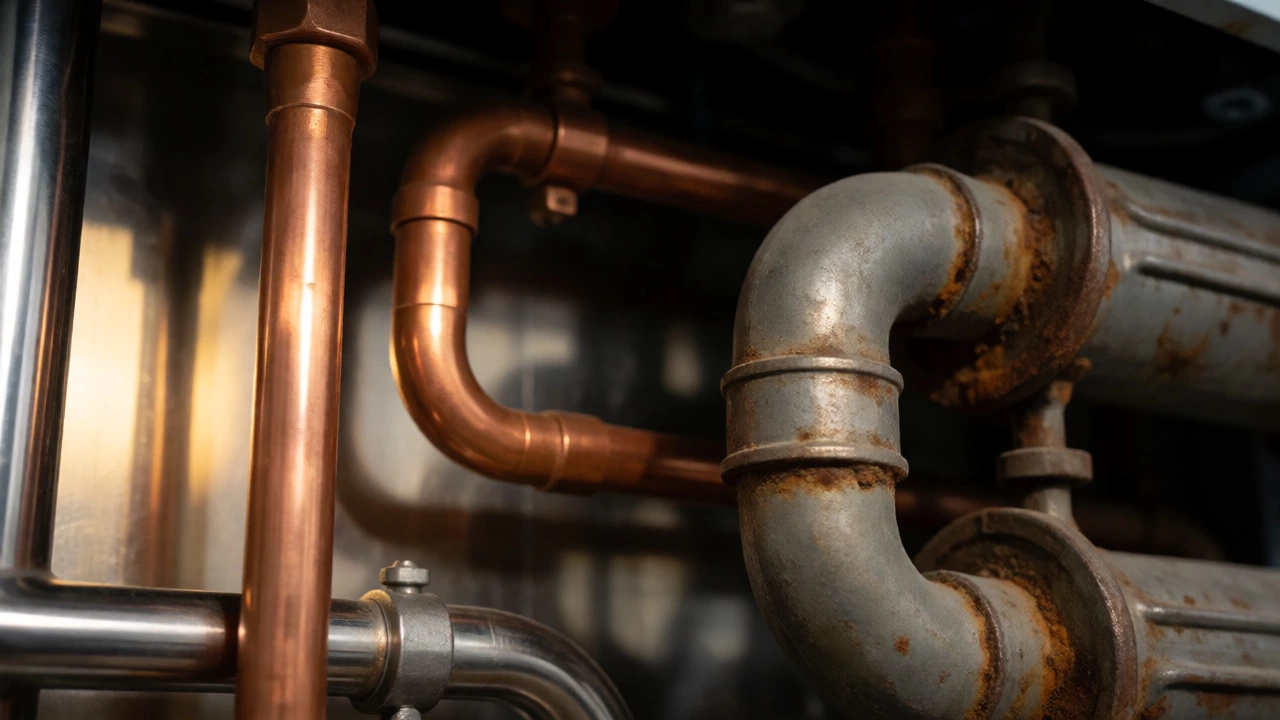
- Inconsistent Heating: Some radiators stay cold while others boil hot. This often indicates sludge buildup in the system pipes, which damages the boiler’s internal components over time. Flushing the system costs extra, adding to the repair bill.
- Yellow Flame: A healthy blue flame means clean combustion. A yellow or orange flame indicates incomplete burning, which produces carbon monoxide and soot. Cleaning the burner helps, but if it persists, the heat exchanger may be failing.
- Strange Noises: Kettling (banging sounds) is caused by limescale buildup. While descaling is possible, severe kettling often means the heat exchanger is compromised and won’t hold pressure long-term.
- Rising Energy Bills: If your usage hasn’t changed but your bills are creeping up year over year, your boiler is losing efficiency. A new unit could cut these costs by 20-30%.
When Repair Is Definitely the Right Choice
Don’t rush to buy a new system if you don’t have to. Repairs make sense when the problem is isolated and cheap relative to the unit’s value. Common repairs include replacing a faulty thermostat, fixing a minor water leak from a seal, or swapping out a failed diverter valve. These parts typically cost between $100 and $300. If your boiler is less than 10 years old and these are one-off issues, keep it running.
Also, consider your plans for the house. If you’re selling your home in six months, a $2,000 boiler replacement might not add $2,000 to the sale price. Buyers often prefer newer systems, but they also factor in the cost of installation. Sometimes, a simple repair gets you through inspection season without breaking the bank. Conversely, if you plan to live in the house for another decade, investing in a new, efficient boiler now saves you hassle later.
The Hidden Costs of Replacement
Replacing a boiler isn’t just buying the box. The total project cost includes the unit, labor, and potential modifications. In New Zealand and similar markets, installing a new boiler can range from $2,500 to $5,000+ depending on complexity. If your existing pipework doesn’t match the new model’s connections, you’ll pay extra for plumbing adjustments. Moving the boiler location adds even more cost due to flue rerouting and structural changes.
However, modern installations come with warranties. Most new boilers carry a 5 to 10-year manufacturer warranty. Repairs rarely come with anything longer than 90 days to 1 year. This peace of mind has tangible value. If a part fails under warranty, you pay nothing. If you repaired an old unit and it breaks again in three months, you pay full price again.
| Factor | Repair Likely Better | Replace Likely Better |
|---|---|---|
| Age of Boiler | Under 10 years | Over 15 years |
| Repair Cost | < 30% of replacement cost | > 50% of replacement cost |
| Energy Efficiency | Already high (condensing) | Low (non-condensing) |
| Breakdown Frequency | First major issue | Multiple issues per year |
| Household Plans | Selling soon (<1 yr) | Staying long-term (>5 yrs) |
Environmental Impact: The Green Argument
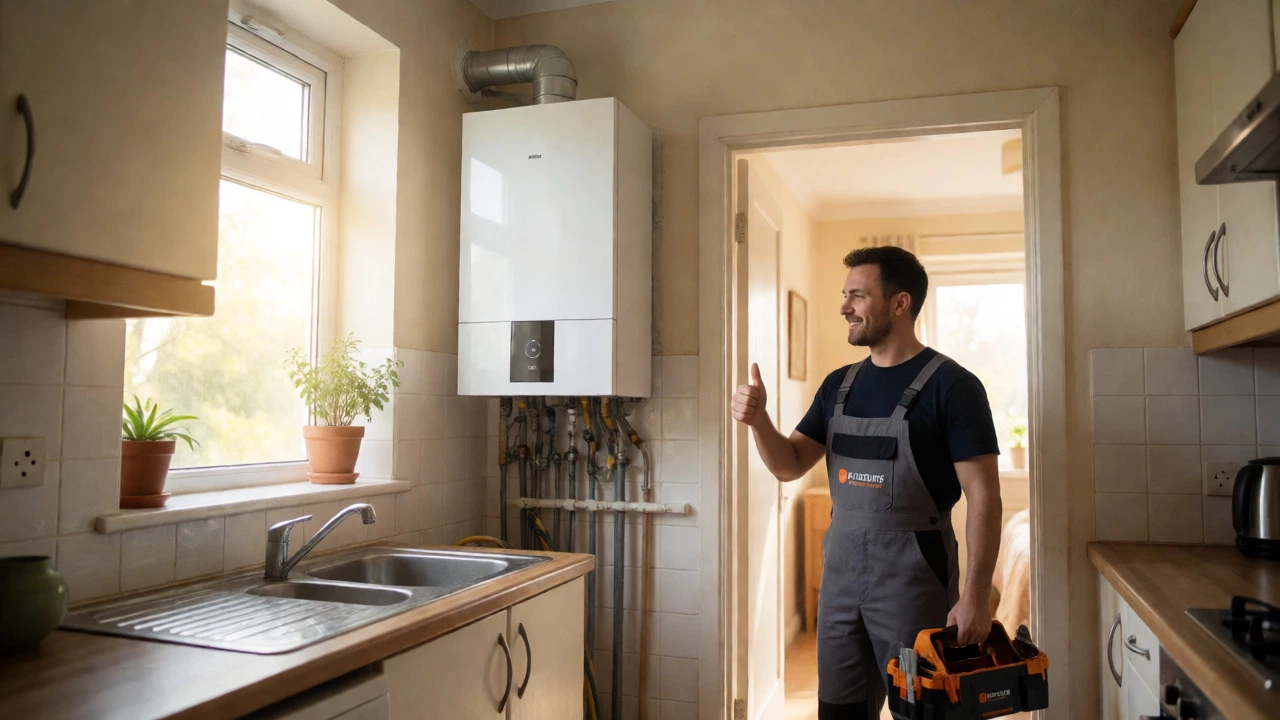
If you’re environmentally conscious, the decision leans heavily toward replacement if your current unit is inefficient. Older boilers waste natural gas, contributing unnecessarily to carbon emissions. Modern condensing boilers recover heat from exhaust gases that older models vent straight out the chimney. By switching, you reduce your household’s carbon footprint significantly. Plus, many governments offer rebates or tax credits for upgrading to high-efficiency heating systems. Check local incentives-they can sometimes cover 10-20% of the installation cost, tipping the scales further toward replacement.
Making the Final Call
Get a second opinion. Always. Ask your technician to provide a written estimate for both the repair and a comparable replacement quote. Compare the numbers against the heuristics above. If the repair is cheap and the boiler is young, fix it. If the boiler is old, inefficient, and the repair is pricey, replace it. Don’t let fear of the upfront cost keep you trapped in a cycle of small repairs that add up to more than a new system. Your comfort-and your wallet-will thank you for making the strategic choice.
How much does it cost to replace a boiler?
Costs vary widely based on type and installation complexity. A standard combi boiler replacement typically ranges from $2,500 to $4,000 including labor. High-end systems or complex installs involving pipe relocation can exceed $5,000. Always get itemized quotes.
Can I replace my boiler myself?
In most jurisdictions, gas work must be performed by a licensed professional to meet safety codes and insurance requirements. DIY installation can void warranties and create safety hazards like gas leaks or carbon monoxide poisoning. Electrical connections also require certified electricians in many areas.
What is the average lifespan of a boiler?
With regular annual servicing, most gas boilers last between 15 and 20 years. Condensing boilers tend to last longer than older non-condensing models due to better materials and design. Neglecting maintenance can shorten this lifespan to 10 years or less.
Does a new boiler increase home value?
Yes, but modestly. Homebuyers view a new boiler as a positive feature because it eliminates immediate capital expenditure. However, you rarely recoup the full installation cost in resale value. It’s more about marketability and avoiding negotiation points during inspection than direct profit.
How do I know if my boiler is inefficient?
Signs include higher-than-average gas bills, uneven heating, frequent cycling (turning on and off rapidly), and a yellow burner flame instead of blue. An engineer can perform a combustion analysis to measure exact efficiency percentages.
I am an expert in the services industry with a focus on appliance repair. My passion lies in understanding how things work and educating others in simple, engaging ways. This enthusiasm fuels my writing, where I delve into topics around appliance maintenance and troubleshooting. I aim to make these subjects clear and accessible to all readers.