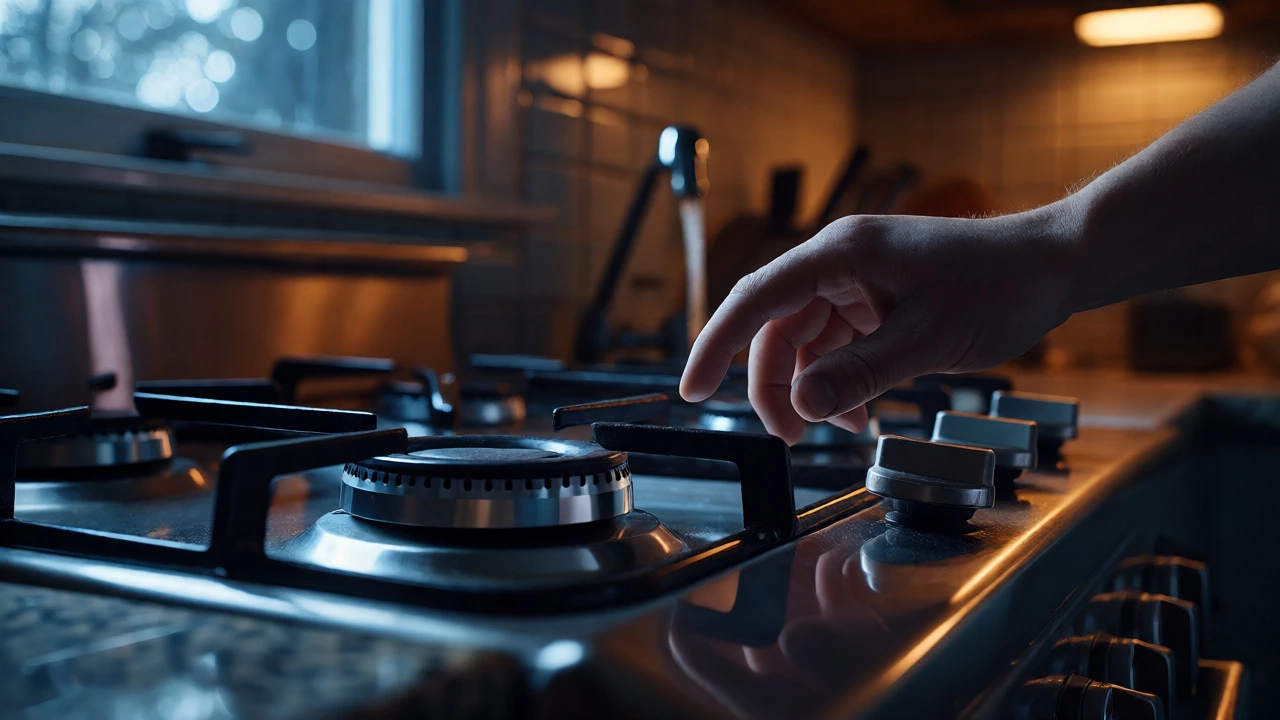
Gas Appliance Troubleshooting Wizard
Follow these steps in order to diagnose why your gas appliances have stopped working. Click each step as you complete the check.
1. The Smell Test
Do you smell rotten eggs (mercaptan)?
- Yes: Stop immediately. Open windows. Go outside. Do NOT use switches/phones.
- No: Proceed to Step 2.
2. Main Valve & Meter
Check the main shut-off valve near the meter.
- Lever Handle: Must be parallel to pipe to be OPEN.
- Knob: Turn counter-clockwise to open.
- Wait 5 mins after adjusting.
3. Power Supply
Modern appliances need electricity for ignition.
- Check circuit breakers (Kitchen, Boiler).
- Look for tripped switches or error codes on displays.
- Try unplugging/resetting the appliance for 30 seconds.
4. Pilot Light / Ignition
Listen and look at the burner area.
- Ticking sound? Igniter works, but no gas arriving.
- No sound? Igniter/wiring dead.
- Old Pilot? If out, relight carefully. If it goes out when released, thermocouple is faulty.
5. Flame Color Check
If appliances light up, observe the flame.
- Blue: Healthy combustion.
- Yellow/Orange: Incomplete combustion. Potential CO risk. Call a pro.
6. Regulator Issues
Suspect if previous steps failed.
- Regulators fail silently.
- Symptoms: Random shutoffs, low pressure symptoms.
- Cannot be tested DIY without manometer.
You walk into your kitchen, turn on the stove, and hear nothing. No hiss, no click, no flame. You try the oven-dead. The hot water tap runs cold. It’s not just one broken unit; it’s a total blackout for every gas-powered device in your house. This scenario is stressful because you don’t know if it’s a minor fix or a major safety hazard. If none of my gas appliances are working, the problem usually isn't the appliances themselves. It’s almost always upstream: the supply line, the meter, or the main valve.
Before you start pulling apart burners or calling a technician, you need to rule out the simple stuff. In Wellington, where older housing stock meets modern regulations, gas issues can be tricky. But there is a logical order to checking things. We’re going to walk through exactly what to check, starting with the most dangerous possibilities and moving toward the mechanical fixes. Safety first: if you smell gas at any point, stop reading, open windows, and get outside.
The Smell Test: Is It Actually a Leak?
This sounds obvious, but it’s the critical first step. Natural gas itself is odorless, but suppliers add mercaptan (a sulfur compound) so it smells like rotten eggs. If you detect that scent, do not flip light switches, use phones indoors, or operate electrical appliances. Sparks can ignite accumulated gas.
- Faint smell near the meter: Might be a loose connection or a faulty regulator.
- Strong smell inside the house: Immediate evacuation required.
- No smell: Proceed to mechanical checks below.
If the air is clear, we can assume the issue is mechanical or electrical rather than a catastrophic rupture. However, keep an eye out for dead vegetation outside near the gas pipe entry point. That’s a classic sign of a slow underground leak.
Check the Main Gas Valve and Meter
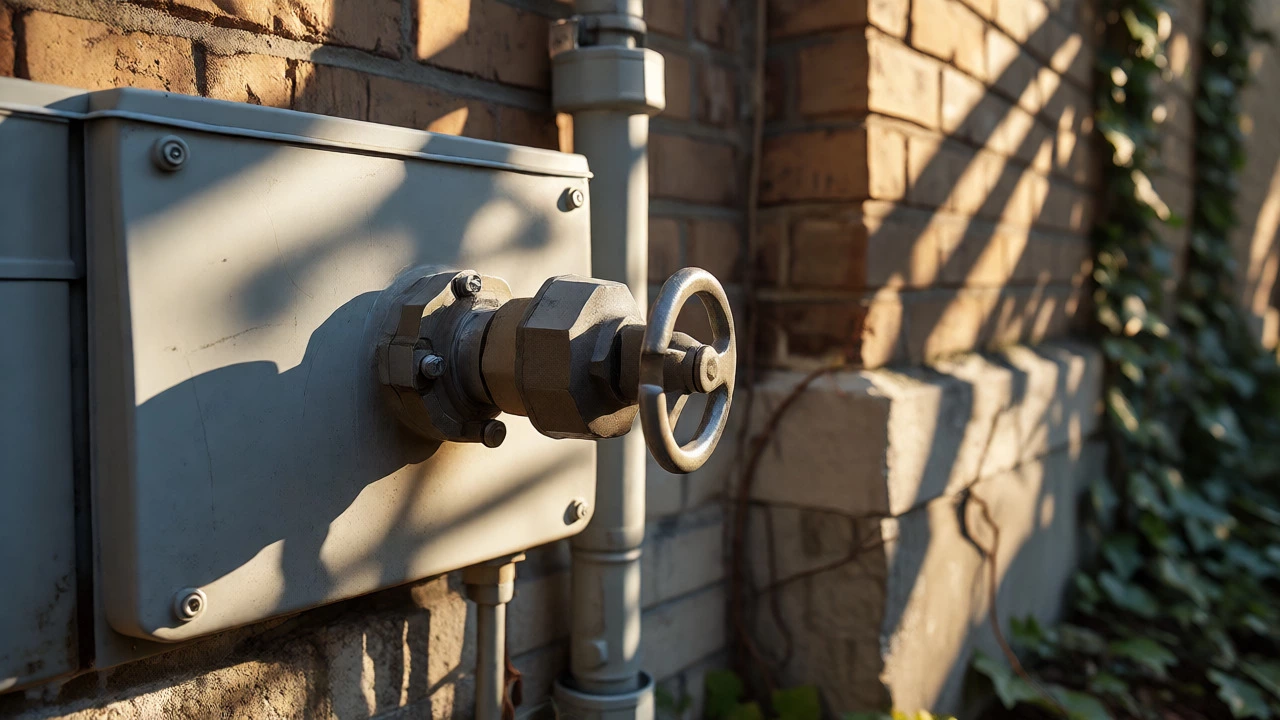
When multiple appliances fail simultaneously, the common denominator is the main supply. Your home has a primary shut-off valve located near the gas meter. This is often overlooked during cleaning or after maintenance work by other tradespeople.
Locate your gas meter box. Inside, you’ll find a handle or lever. Most modern residential meters use a quarter-turn valve. If the handle is perpendicular to the pipe, the gas is off. If it’s parallel, it’s on. Someone might have accidentally bumped it while moving furniture or storing items in the garage. Turn it fully clockwise to close, then counter-clockwise to open. Wait five minutes before testing appliances again. This allows pressure to stabilize throughout the internal pipework.
| Valve Type | Open Position | Closed Position |
|---|---|---|
| Lever Handle | Parallel to pipe | Perpendicular to pipe |
| Knob/Key | Counter-clockwise fully | Clockwise fully |
Power Supply and Ignition Systems
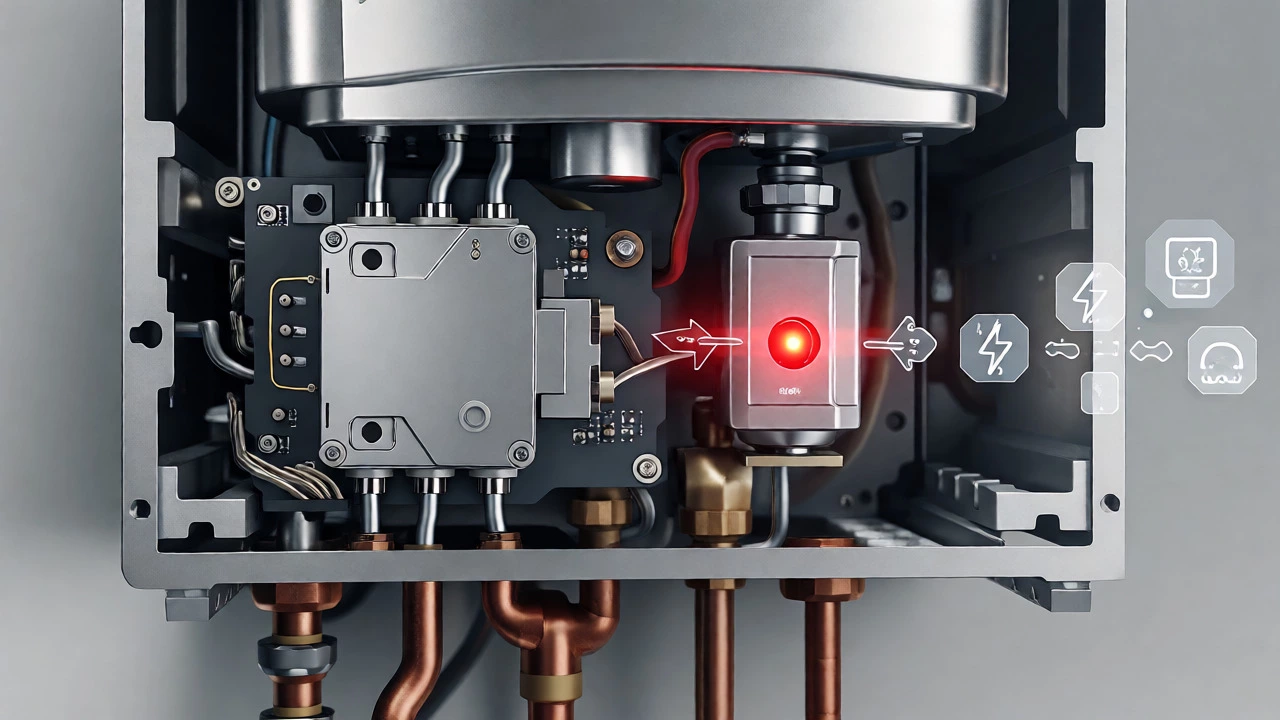
Here’s a counter-intuitive fact: many "gas" appliances actually require electricity to run. Modern cooktops, ovens, and boilers use electronic ignition systems instead of standing pilots. These spark igniters need power to create the initial flame. If your home lost power briefly-even for a few seconds-the control boards may have reset or locked out.
Check your circuit breaker panel. Look for tripped breakers labeled "Kitchen," "Laundry," or "Boiler." Reset them firmly. If they trip immediately, unplug the affected appliance and call an electrician. Don’t force it.
For appliances with digital displays, look for error codes. A boiler showing an "F1" or "E4" code indicates a specific sensor failure, not a lack of gas. Consult the manual for your specific model. Often, a simple power cycle (unplugging for 30 seconds) clears transient glitches in the control logic.
The Pilot Light Myth vs. Reality
Older homes still rely on standing pilot lights-a small flame that stays lit 24/7 to ignite the main burner. If these go out, the appliance won’t work. But here’s the catch: thermocouples are safety devices that shut off gas flow if the pilot goes out. They wear out over time.
If you have older appliances, check if the pilot is lit. If it’s out, follow the relight instructions carefully. Usually, you press and hold the knob while clicking the igniter. Hold it for 30-60 seconds after lighting to heat up the thermocouple. If the pilot lights but goes out as soon as you release the knob, the thermocouple is faulty. This is a cheap part ($50-$80 NZD) but requires a licensed gasfitter to replace safely.
Newer appliances use piezo-electric or electronic ignition. There is no standing pilot. If these aren’t sparking, listen closely. Do you hear a rapid ticking sound? If yes, the igniter is working, but the gas isn’t arriving. If no sound, the igniter or its wiring is dead.
Gas Pressure Issues and Regulators
Gas pressure must be within a specific range for appliances to function. Too low, and the flame won’t sustain. Too high, and safety valves shut down the system. The regulator sits between the street supply and your internal pipes. It reduces high-pressure mains gas to low-pressure household levels.
Regulators fail silently. Symptoms include yellow flames instead of blue, soot buildup on pots, or appliances shutting off randomly. In New Zealand, natural gas pressure is typically regulated to around 10-12 inches of water column (approx. 2.5 kPa). If your regulator fails, it might lock in the closed position to prevent overpressure. This cuts off all appliances instantly.
You cannot test this yourself without a manometer. If you’ve checked the valve, power, and pilot lights, suspect the regulator. It’s a sealed unit, meaning replacement is the only option. A professional will isolate the section, depressurize, and swap the unit.
When to Call a Professional
In New Zealand, DIY gas work is illegal for anything involving the pipe network or appliance connections. You can clean burners or change filters, but opening a gas fitting requires a license. Here’s when you must stop troubleshooting and pick up the phone:
- You smell gas: Always call your supplier’s emergency line or a registered gasfitter.
- The main valve is stuck: Forcing old valves can break the stem.
- Error codes persist: After a power cycle, complex electronics need diagnostic tools.
- Soot or discoloration: Indicates incomplete combustion, which produces carbon monoxide.
A certified gasfitter in Wellington will charge a call-out fee plus labor. Expect $150-$250 NZD for a standard diagnostic visit. This cost is worth avoiding the risk of explosion or carbon monoxide poisoning. Remember, carbon monoxide is odorless and colorless. Install detectors near sleeping areas if you haven’t already.
Preventive Maintenance Tips
To avoid this situation next winter, establish a routine. Check the main valve position quarterly. Keep the area around the gas meter clear of clutter. Inspect visible pipework for rust or corrosion, especially in damp coastal areas like Lyall Bay or Karori. Schedule an annual service for your boiler and oven. Technicians can spot failing thermocouples or dirty injectors before they cause a total shutdown.
Finally, know your emergency contacts. Save your gas distributor’s number (Wellington Gas or Vector Networks depending on your location) and a trusted local gasfitter in your phone. When everything stops working, panic leads to mistakes. Knowledge leads to quick resolution.
Can I fix a gas appliance myself?
You can perform basic checks like ensuring the main valve is open, resetting circuit breakers, or cleaning removable burner caps. However, any work involving gas fittings, piping, or internal appliance components must be done by a licensed gasfitter in New Zealand to comply with legal safety standards.
Why did all my gas appliances stop working at once?
Simultaneous failure usually points to a central issue: the main gas shut-off valve was turned off, the gas meter ran out of credit (if prepaid), the external regulator failed, or a power outage disabled electronic ignition systems across multiple units.
How much does it cost to fix a gas appliance?
In New Zealand, a diagnostic call-out fee typically ranges from $150 to $250 NZD. Repairs vary widely: replacing a thermocouple might cost $100-$200 extra, while a new control board could exceed $500. Replacing the entire appliance often makes financial sense if repairs exceed 50% of the replacement cost.
What does a yellow flame mean on a gas stove?
A healthy gas flame should be crisp blue. A yellow or orange flame indicates incomplete combustion, often caused by dirty burners, incorrect air-to-gas ratio, or a failing regulator. This produces soot and potentially harmful carbon monoxide, requiring professional adjustment.
Is it safe to leave gas appliances off for long periods?
Yes, turning off the main gas valve when away for extended periods is a recommended safety practice. It eliminates the risk of leaks from internal hoses or valves while you are not present to monitor the home.
I am an expert in the services industry with a focus on appliance repair. My passion lies in understanding how things work and educating others in simple, engaging ways. This enthusiasm fuels my writing, where I delve into topics around appliance maintenance and troubleshooting. I aim to make these subjects clear and accessible to all readers.