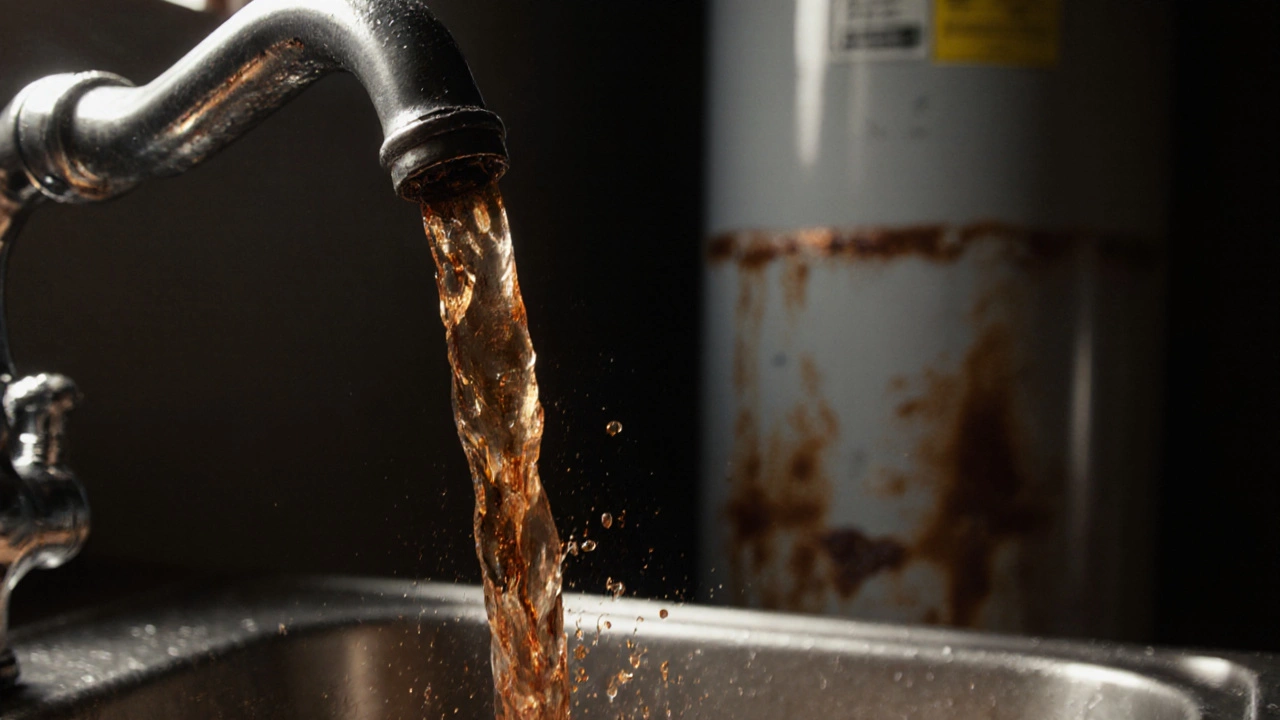
Watch for rusty water, strange noises, leaks, and rising bills-these are clear signs your water heater is failing. Know when to replace it before it breaks and floods your home.
When dealing with Water Heater Replacement, the process of removing a faulty water heater and installing a new unit to restore hot water. Also known as hot water system upgrade, it keeps showers warm and dishes clean, and it prevents costly leaks.
When a water heater, the appliance that stores and heats water for domestic use starts leaking or stops heating, the first step is to identify the failing part. The heating element, a coil that turns electricity into heat, is the most common culprit. If the element is burnt out, the whole system can lose efficiency. Water heater replacement then becomes the logical solution, because swapping in a new unit restores performance and saves energy.
A qualified plumber, a certified professional who handles pipework and heating appliances will evaluate whether a traditional tank model or a tankless water heater, a compact unit that heats water on demand instead of storing it fits your home. The plumber checks pipe size, gas or electric supply, and space constraints. This assessment ensures the new system matches your hot‑water demand and complies with local codes.
Water heater replacement encompasses several key actions: removing the old tank, disconnecting gas or electric lines, installing a pressure‑relief valve, and sealing all connections. A proper installation also includes insulating the pipes to reduce heat loss. Each of these steps links directly to safety and efficiency, so skipping any part can lead to future failures.
Beyond the hardware, maintenance habits influence how long a new unit lasts. Regularly flushing the tank removes sediment that can corrode the inner lining and strain the heating element. Checking the anode rod every two years prevents rust. When these checks are ignored, the next replacement may arrive sooner than expected.
Homeowners often wonder about the cost side of things. In 2025, a standard electric tank replacement averages between £500 and £800, while a gas‑fired tankless model can run £1,200 to £1,600 including installation. Labor accounts for roughly 30‑40% of the total, so hiring a certified plumber is a worthwhile investment for peace of mind and warranty protection.
Below you’ll find a curated collection of articles that dive deeper into each of these topics—cost breakdowns, troubleshooting tips, lifespan expectations, and safety checks. Use them to plan your replacement, avoid common pitfalls, and keep your home’s hot water flowing flawlessly.
Watch for rusty water, strange noises, leaks, and rising bills-these are clear signs your water heater is failing. Know when to replace it before it breaks and floods your home.
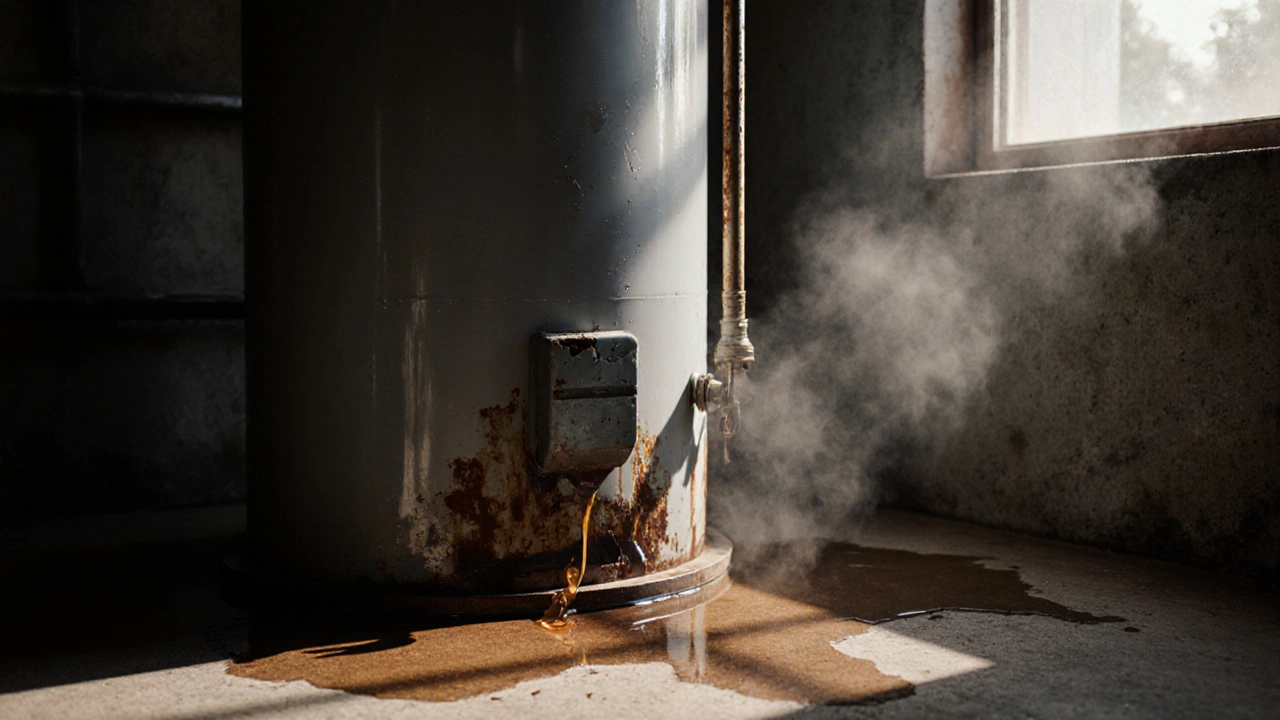
Learn the real signs your hot water heater is failing-rusty water, strange noises, low hot water, leaks, and age. Don't wait until it breaks. Get ahead of failure with practical advice for New Zealand homes.
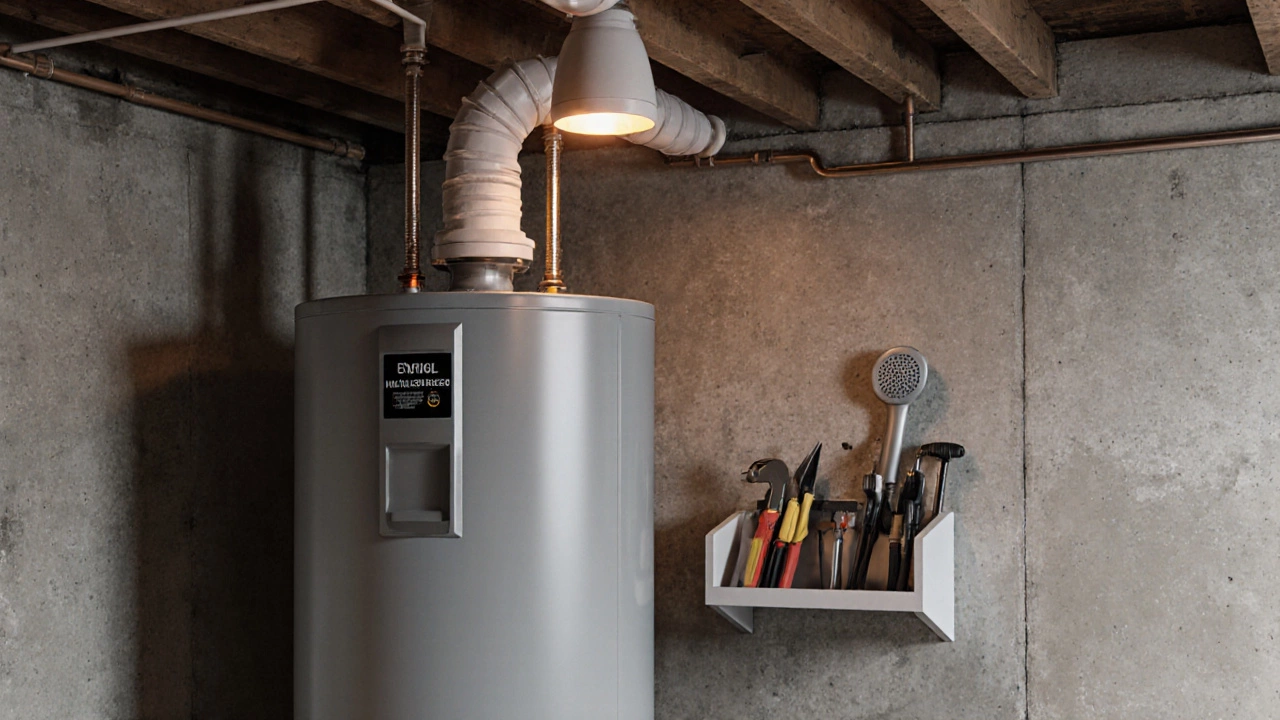
Learn how long water heaters typically last, what factors affect their lifespan, maintenance tips to extend service, and when to replace a failing unit.