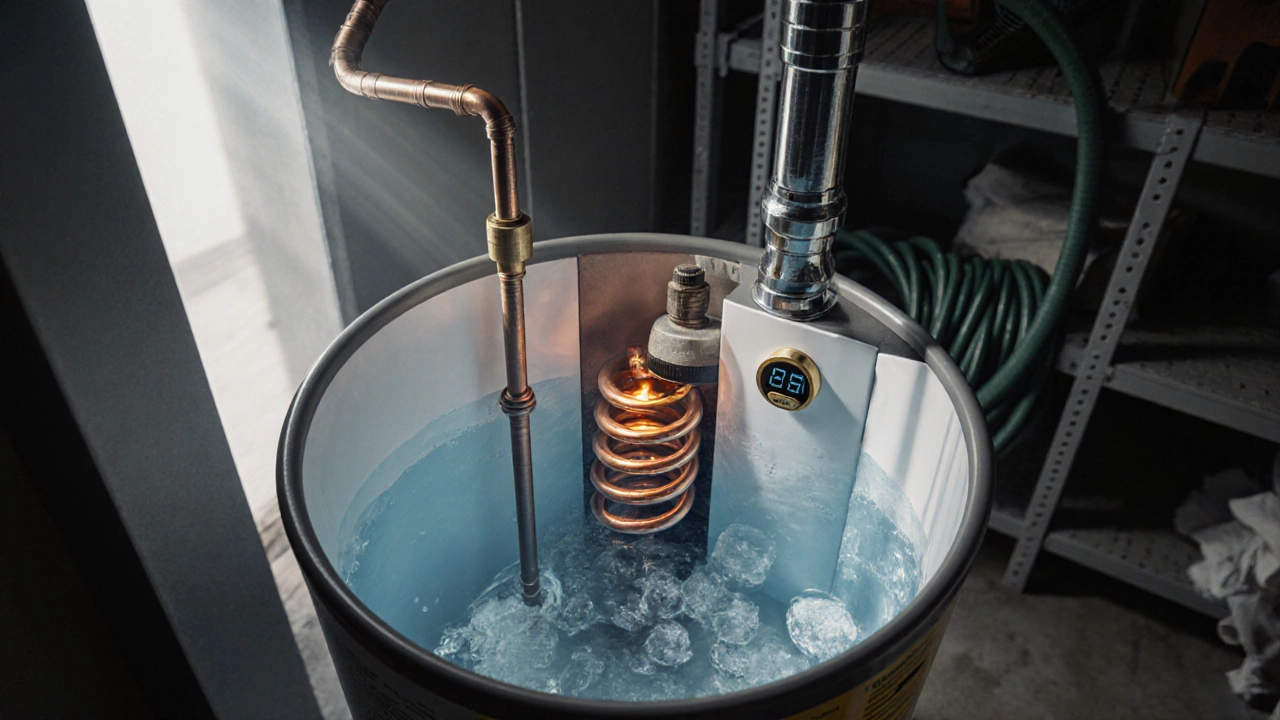
Learn the most common water heater failure points, why they break, early warning signs, and maintenance tips to keep your hot water flowing.
When dealing with tank leaks, unwanted water escaping from a storage tank or heating unit. Also called tank water loss, they can turn a pleasant shower into a soggy disaster. tank leaks aren’t just a nuisance; they waste energy, raise water bills and can damage floors. The problem often shows up in water heaters, tank‑style devices that heat and store hot water for homes, in hot water tanks. Boilers – whether combi or system types – also have sealed tanks that can develop cracks. Even leak detection, the process of locating hidden water escapes using tools or visual clues becomes essential when a silent drip threatens structural integrity. In short, tank leaks encompass water heater leaks, boiler tank leaks and any hidden seepage in hot‑water equipment.
Most tank leaks start with corrosion. Over time, mineral deposits and rust eat through metal, creating tiny holes that grow larger under pressure. In a boiler, a closed‑system heater that supplies water to radiators and taps, corrosion can weaken the pressure vessel, leading to sudden bursts. A tankless water heater, a point‑of‑use unit that heats water on demand without a storage tank isn’t immune – faulty heat exchangers can leak water onto surrounding cabinetry. Faulty valves, loose fittings, and thermal expansion also push water through weak spots. When a leak occurs, the water not only wastes energy but also creates a breeding ground for mold. That’s why early detection matters: spotting a drip under the sink or a damp patch on the wall can save a homeowner from costly repairs later.
Detecting a leak starts with a visual sweep. Look for water stains, mineral rings, or a steady drip from the tank’s base. Listening for a faint hissing sound can reveal a pressure leak in a boiler. For hidden leaks, many pros use moisture meters or infrared cameras – tools that highlight temperature differences caused by escaping water. Some homeowners install leak detection sensors that trigger an alarm or shut off the water supply automatically. The key is to act fast: once the source is identified, you can decide whether a simple sealant or a full tank replacement is needed. Regular maintenance, like flushing a water heater to remove sediment, reduces corrosion risk and extends the tank’s life.
The articles below dive deeper into the specifics. You’ll find step‑by‑step guides on troubleshooting a leaking hot water heater, when a boiler tank leak becomes an emergency, and how to choose the right leak detection method for your home. Whether you’re a DIY‑enthusiast or prefer to call a pro, the collection gives you the facts to make an informed decision and keep your hot‑water system running smoothly.
Learn the most common water heater failure points, why they break, early warning signs, and maintenance tips to keep your hot water flowing.