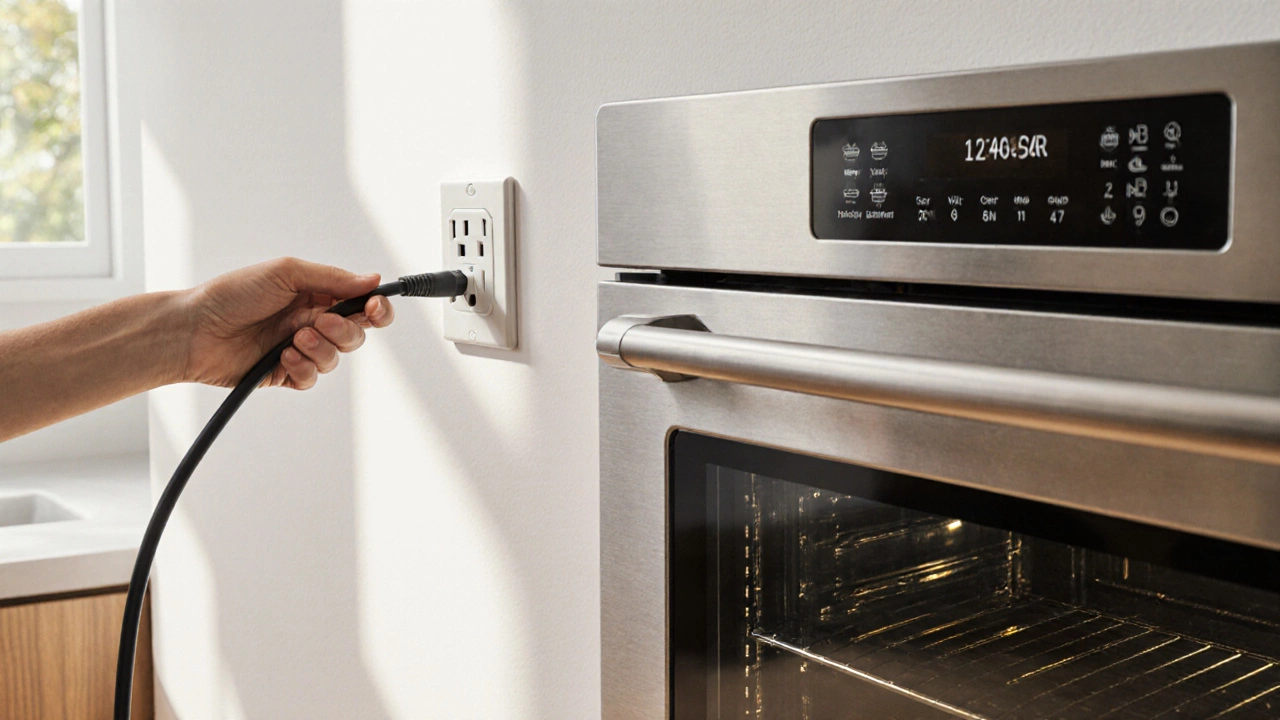
Learn if you can simply plug in a new electric oven, what power requirements and safety steps are needed, and get a step‑by‑step replacement guide.
When planning an Oven Replacement, the decision to keep, fix, or swap out your cooking appliance. Also known as oven upgrade, it affects energy use, cooking results, and household budgets. Oven replacement isn’t just a purchase; it’s a process that ties together several key parts of your kitchen.
First, look at the Oven Element, the heating component that can wear out over time. A burned‑out element often signals a repair, but if the element’s failure repeats, a full swap may be cheaper in the long run. Next, think about the type of oven you have. A Gas Oven, which uses a flame for heat brings safety checks and potential gas line work into the equation, while an Electric Oven, which relies on electric coils or elements often offers more even heating but can have higher electricity costs. Understanding these distinctions helps you decide whether a simple part swap or a full‑scale replacement is the smarter move.
Finally, remember that any Appliance Repair, service that addresses issues like faulty thermostats or broken doors should be weighed against the age of the oven. An appliance that’s already ten years old may have hidden wear that shows up later, making a new model with a modern warranty a safer bet. By checking the oven’s lifespan, reviewing repair costs, and matching the appliance type to your cooking habits, you’ll have a clear picture of the best path forward. Below you’ll find a curated set of articles that walk you through each step – from diagnosing a dead element to comparing energy‑efficient models – so you can make an informed decision without the guesswork.
Learn if you can simply plug in a new electric oven, what power requirements and safety steps are needed, and get a step‑by‑step replacement guide.