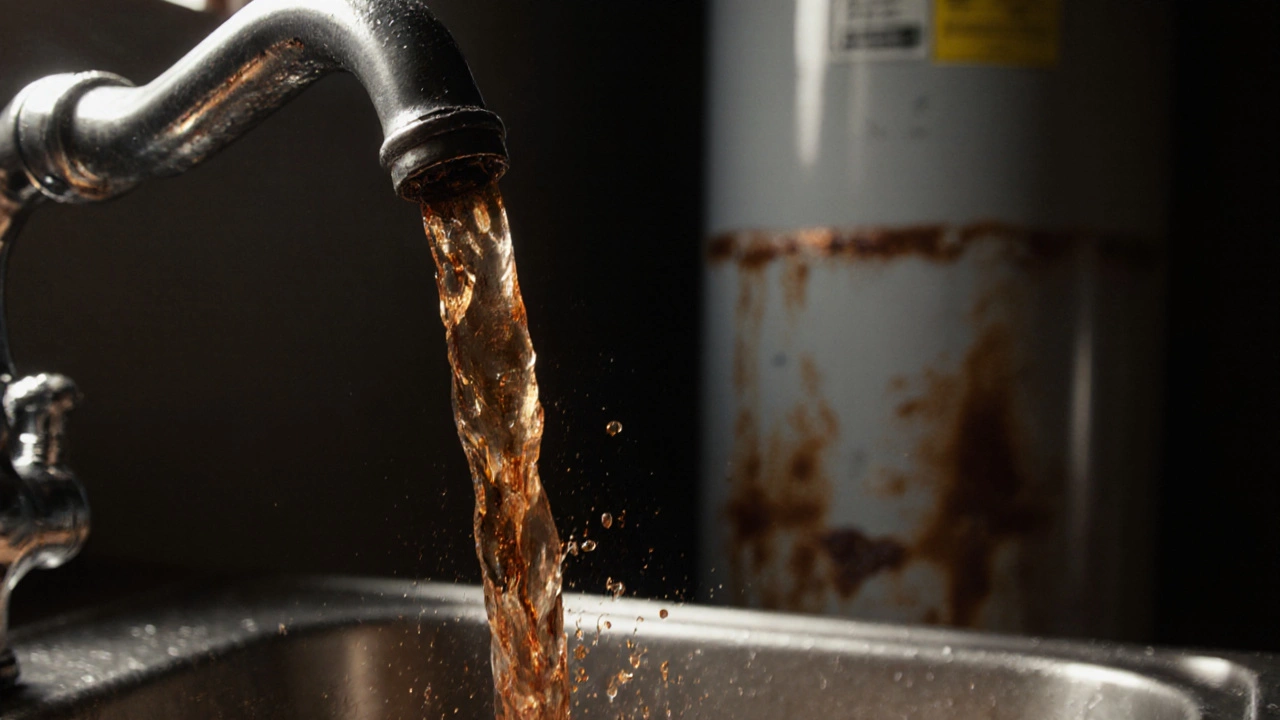
Watch for rusty water, strange noises, leaks, and rising bills-these are clear signs your water heater is failing. Know when to replace it before it breaks and floods your home.
When your noisy water heater, a household system that heats and stores water for showers, sinks, and appliances. Also known as a storage water heater, it’s meant to work quietly—so when it starts banging, popping, or rumbling, something’s wrong. That sound isn’t just annoying. It’s your water heater trying to tell you it’s struggling. Most people ignore it until there’s no hot water at all. But by then, it’s often too late for a simple fix.
The most common cause of a noisy water heater is sediment buildup, mineral deposits that sink to the bottom of the tank over time. As water heats up, it bubbles through this layer of gunk, creating loud popping or crackling sounds. It’s like boiling soup with rice at the bottom—except this happens every day, year after year. Left unchecked, that sediment reduces efficiency, makes your energy bills climb, and can even crack the tank lining. Flushing the tank once a year can stop this before it starts. But if you haven’t done it in five years, you’re probably already dealing with damage.
Another culprit is thermal expansion, when heated water expands and presses against the tank walls or pipes. This can cause sharp banging noises, especially right after the heater turns on. It’s worse if your home has a closed plumbing system—common in newer homes with backflow preventers. A simple expansion tank can solve this, but most people don’t know it exists. Then there’s the possibility of a failing heating element, the electric coil that heats the water inside the tank. If it’s coated in mineral scale or has cracked, it can make a loud buzzing or humming noise. And if your water heater’s over 10 years old, it’s not just making noise—it’s running on borrowed time.
Don’t wait for a leak or a full breakdown. A noisy water heater is a clear signal that maintenance is overdue—or that replacement is coming soon. The posts below walk you through exactly what those sounds mean, how to check for sediment, when to flush the tank yourself, and whether it’s smarter to repair or replace. You’ll find real fixes for real problems, not guesswork. No fluff. Just what actually works in homes around South Shields.
Watch for rusty water, strange noises, leaks, and rising bills-these are clear signs your water heater is failing. Know when to replace it before it breaks and floods your home.