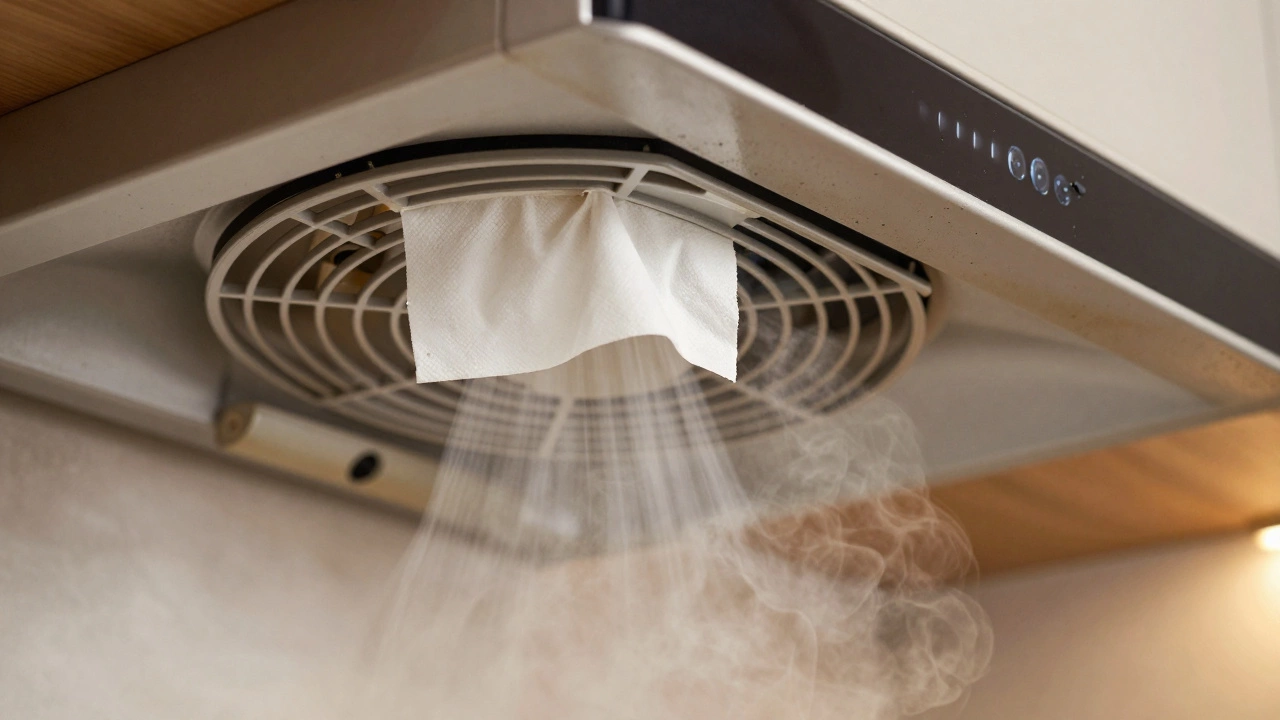
Learn how to test your extractor fan for proper airflow, listen for warning sounds, clean clogged ducts, and spot motor failures. Fix common issues yourself before calling a pro.
Ever notice a lingering smell after cooking or see steam on your cabinets? That’s a sign your kitchen ventilation isn’t doing its job. Good airflow does more than banish odors – it stops moisture from building up, keeps indoor air quality high, and protects your appliances from premature wear.
In South Shields, many homes have compact kitchens where cooking fumes can quickly turn into a bigger problem. When humidity hangs around, mould can appear behind the fridge or under the sink, and greasy particles settle on extractor fans, making them less effective. The simple solution is a well‑maintained ventilation system that moves stale air out and brings fresh air in.
An extractor fan pulls air from the cooking area and pushes it outside through a duct. Most modern fans have a motor, a blade, and a grease filter. When you turn the fan on, the motor spins the blade, creating a suction that draws the hot, moist air out. The grease filter catches oily particles, preventing them from entering the ductwork.
Over time, that filter gets clogged. If you don’t clean it regularly, the fan has to work harder, which can lead to motor wear and higher energy bills. A noisy fan or reduced airflow usually means the filter needs cleaning or the motor needs a check‑up.
1. Clean the filter monthly. Remove it, wash with warm soapy water, rinse, and let it dry before reinstalling. This small habit keeps airflow strong and extends the fan’s life.
2. Check the duct for blockages. Look inside the vent for dust or cobwebs. A clear duct lets the fan push air out efficiently.
3. Use the fan while cooking and for a few minutes after. Even low‑heat meals produce steam; keeping the fan on helps move that moisture out before it settles.
4. Upgrade if needed. Older fans may lack enough power for today’s open‑plan kitchens. A higher‑CFM (cubic feet per minute) fan can handle more steam and grease.
5. Call a pro for repairs. If the fan hums, shakes, or won’t start, it’s best to let a qualified technician inspect it. South Shields Appliance Repair Services can diagnose motor issues, replace worn parts, and ensure your ventilation meets local safety standards.
Good kitchen ventilation isn’t just about comfort – it protects your wall paint, stops mould, and can even lower your energy bills by letting heat escape efficiently. Regular maintenance, a clean filter, and a quick peek at the duct can make a huge difference.
When you’re ready for a professional check‑up or need a new extractor fan installed, give South Shields Appliance Repair Services a call. Our team knows the local homes and can get your kitchen breathing easy again, fast and at a fair price.
Learn how to test your extractor fan for proper airflow, listen for warning sounds, clean clogged ducts, and spot motor failures. Fix common issues yourself before calling a pro.

Ever wondered if a plumber can actually fit an extractor fan? This article breaks down what a plumber can and can't do when it comes to installing, repairing, or replacing extractor fans. Learn about the skills and limits of plumbers, and see when you might need an electrician instead. Get a real idea of what’s possible so you don’t waste time or money on the wrong tradesperson. Find tips and facts to make your next bathroom or kitchen upgrade a lot smoother.

Ever wondered if you can skip having an extractor fan in your kitchen or bathroom? This article breaks down what happens when you're fan-free, the real risks involved, and what your legal requirements are. You'll get practical tips on keeping moisture and smells under control, even if you've decided against a fan. Plus, find out when going without an extractor fan turns into a problem you can't ignore. If you're fixing or replacing a busted fan, check this out before making any decisions.

Replacing a kitchen extractor fan motor can seem daunting, but with the right tools and instructions, it becomes a manageable DIY project. This article breaks down the steps needed to safely and effectively replace the motor, ensuring your kitchen remains well-ventilated. It also includes tips for selecting the right motor and signs that indicate a replacement is necessary.