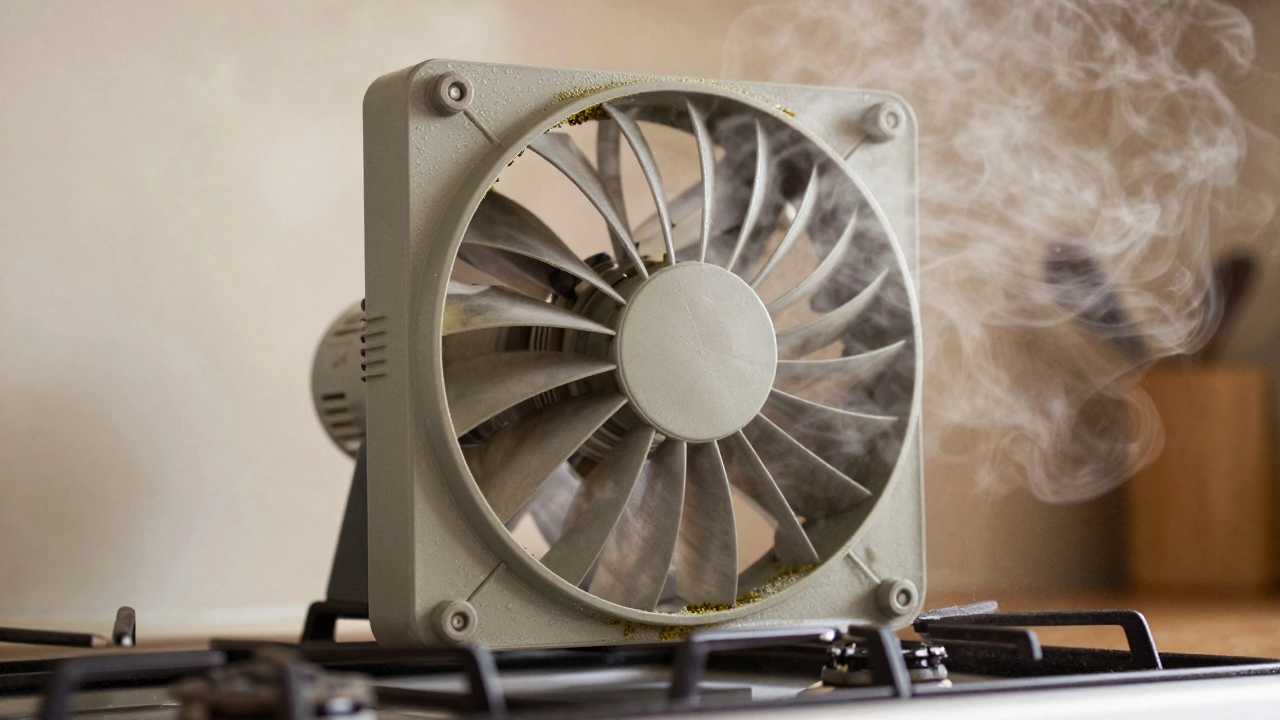
Extractor fans do wear out over time, usually after 10-15 years. Signs include noise, slow airflow, and burning smells. Cleaning helps, but when the motor or bearings fail, replacement is the smart choice.
When talking about extractor fan lifespan, the total time a kitchen or bathroom extractor fan stays functional before it needs major repair or replacement. Also called fan life, it depends on several factors you can control. Another key player is the extractor fan, a device that pulls moist or odorous air out of a room and pushes it outdoors. The ventilation system the network of ducts and fans that keep indoor air fresh works hand‑in‑hand with the fan itself. Finally, maintenance, the regular cleaning and inspection routine, directly influences how many years the fan will last. In short, extractor fan lifespan encompasses usage frequency, cleaning schedule, and motor quality. Understanding these pieces helps you plan smarter and avoid sudden failures.
The first thing that decides a fan’s life is how often it runs. A fan that works daily in a busy kitchen will wear faster than one that only kicks on during shower time. Second, the amount of grease, dust, and humidity that builds up on the blades and motor matters a lot. When you skip the monthly wipe‑down, those deposits act like sand in the bearings and shorten the motor’s life. Third, the quality of the motor and fan housing matters. A sealed‑bearing motor designed for high‑humidity areas can outlive a cheap open‑type unit by many years. Fourth, the electrical supply must be stable; frequent voltage spikes can fry the motor early. Lastly, proper installation—correct duct size, secure mounting, and a dedicated circuit—prevents extra strain on the fan. Together these points form a clear semantic chain: extractor fan lifespan requires regular maintenance, which influences motor durability, which ultimately affects overall ventilation system performance.
What does this mean for you? If you keep the fan clean every four weeks, check the motor for unusual noises, and make sure the power supply is steady, you’re likely to double the typical 5‑10 year expectation. Many homeowners don’t realize that a simple brush‑type cleaning tool can remove most grease and keep the motor running smooth. Also, swapping the fan’s filter (if it has one) when it looks dirty prevents airflow restriction and reduces motor load. For bathrooms, running the fan for at least 20 minutes after a shower helps dry out moisture and cuts down on mold growth, which otherwise corrodes internal parts. By treating the fan as part of a broader ventilation system, you protect both the fan and the home’s indoor air quality. Below you’ll find articles that walk through diagnosing a weak fan, when to replace versus repair, and step‑by‑step cleaning guides—everything you need to keep your fan humming for years to come.
Extractor fans do wear out over time, usually after 10-15 years. Signs include noise, slow airflow, and burning smells. Cleaning helps, but when the motor or bearings fail, replacement is the smart choice.
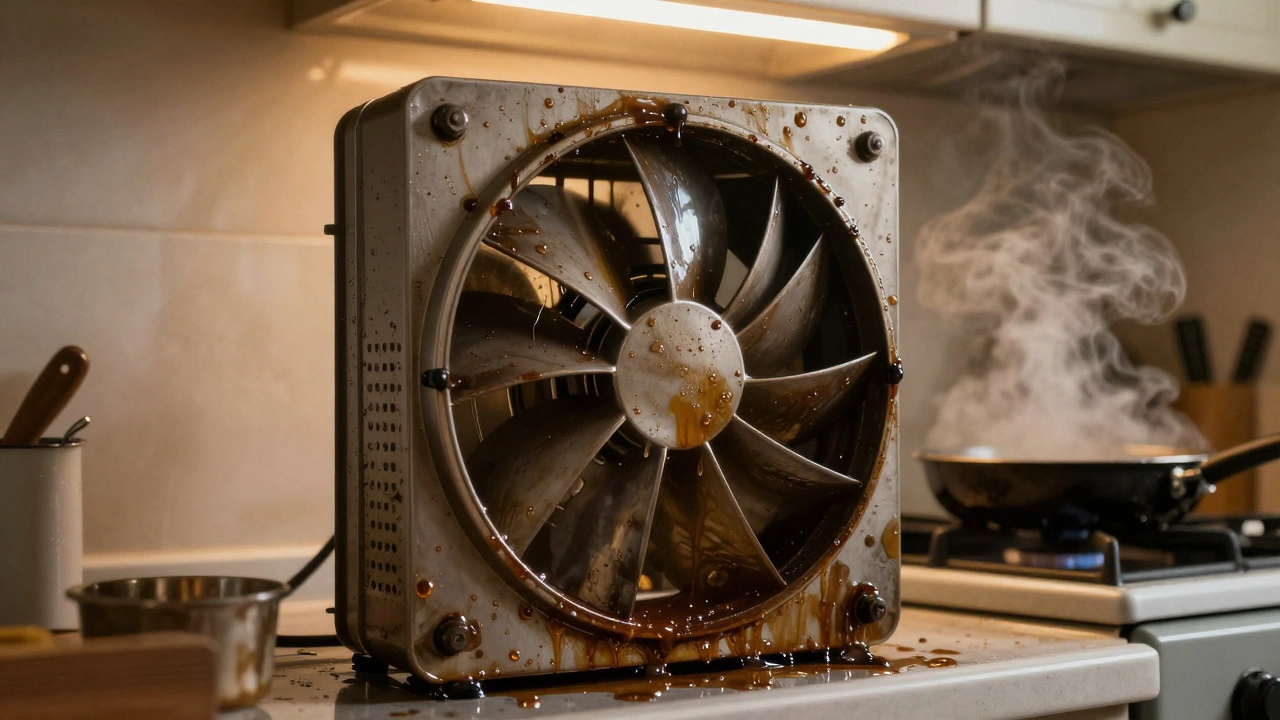
Kitchen extractor fans typically last 10 to 15 years, but grease buildup and poor maintenance can cut that in half. Learn the signs it's time to replace yours and how to pick a better one.
Learn how long extractor fans typically last, what affects their durability, maintenance tips to extend life, warning signs of failure, and guidance on choosing a replacement.