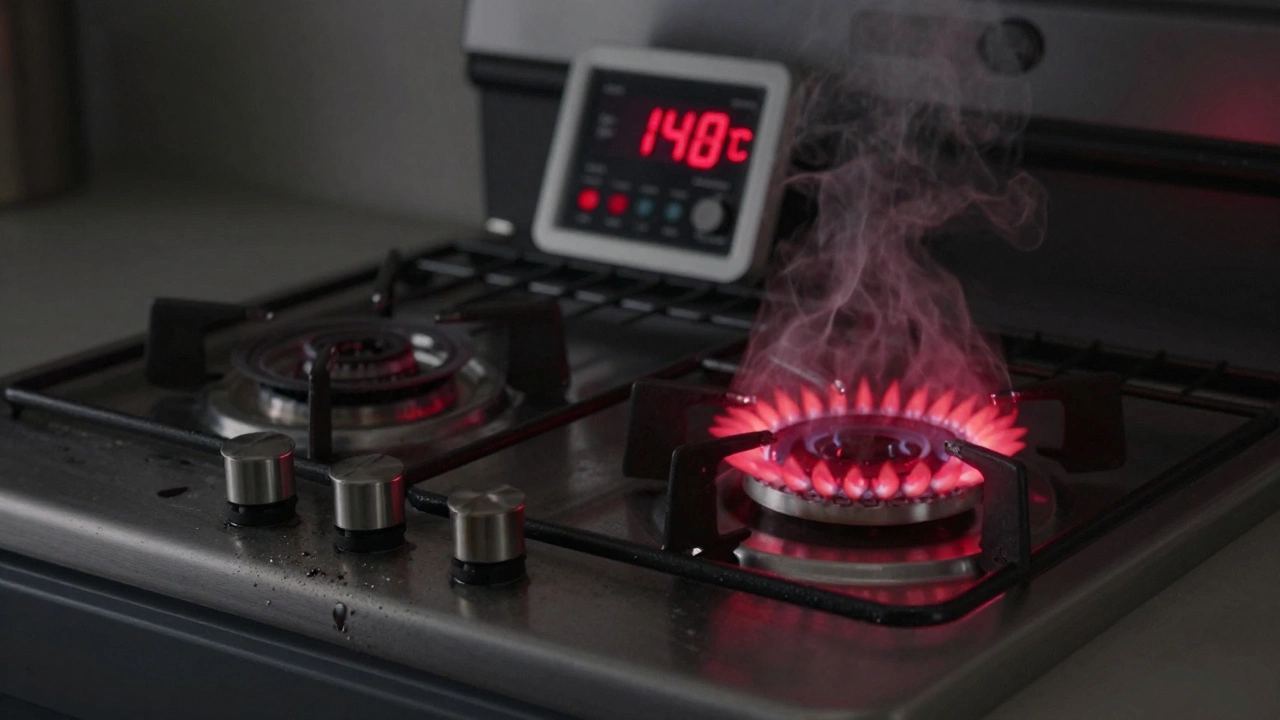
Learn the 7 clear signs your cooker is broken and when to repair vs. replace. From strange smells to uneven heating, this guide helps you make a smart, safe decision.
When your cooker, a key household appliance used for baking, roasting, and cooking food. Also known as an oven, it’s one of the most relied-on devices in the kitchen suddenly stops working, it’s not just inconvenient—it throws your whole routine off. Whether it’s the heat not coming on, the display flashing errors, or the whole thing won’t turn on at all, something’s wrong. And more often than not, it’s not as expensive or complicated as you think.
The oven element, the heating coil inside the oven that glows red when powered is the most common culprit. If it’s cracked, discolored, or doesn’t glow when turned on, it’s likely burned out. Replacing it is usually a $50 part and a 30-minute job. Then there’s the oven control board, the digital brain that tells the oven when to heat and for how long. If your buttons are unresponsive, the display is glitchy, or the oven turns on but doesn’t heat, the board might be fried. These boards fail more often in older models, especially if they’ve been exposed to steam or grease over time.
Don’t jump to replacing the whole unit just yet. Many people think a cooker not working means it’s dead, but a simple power issue—like a tripped breaker, a faulty plug, or a blown fuse in the wall—can cause the same symptoms. Check your circuit panel first. If the cooker is plugged into a dedicated outlet, try plugging something else in to see if it gets power. If it’s hardwired, you’ll need to check the isolation switch or the terminal block behind the oven.
And if you’ve got an electric cooker, don’t confuse it with a gas hob. Gas cookers have different problems—like a faulty igniter or blocked gas valve—but electric ones are all about power, circuits, and heating elements. A lot of people call an electrician when their oven stops working, but unless you’re dealing with a wiring issue or a supply problem, you need an appliance technician who knows how to test and replace oven-specific parts.
Age matters too. Most cookers last between 10 and 15 years. If yours is pushing 18, even a simple repair might not be worth the cost. But if it’s under 10 and the element or control board is the only issue, fixing it saves you hundreds compared to buying new. You’ll also avoid the hassle of reinstalling, adjusting, and relearning how a new model works.
What you’ll find below are real fixes from people who’ve been there—how to test an oven element with a multimeter, when a control board replacement makes sense, why your cooker might be tripping the breaker, and what to do when nothing seems to work. No fluff. No guesswork. Just what actually fixes a cooker not working.
Learn the 7 clear signs your cooker is broken and when to repair vs. replace. From strange smells to uneven heating, this guide helps you make a smart, safe decision.