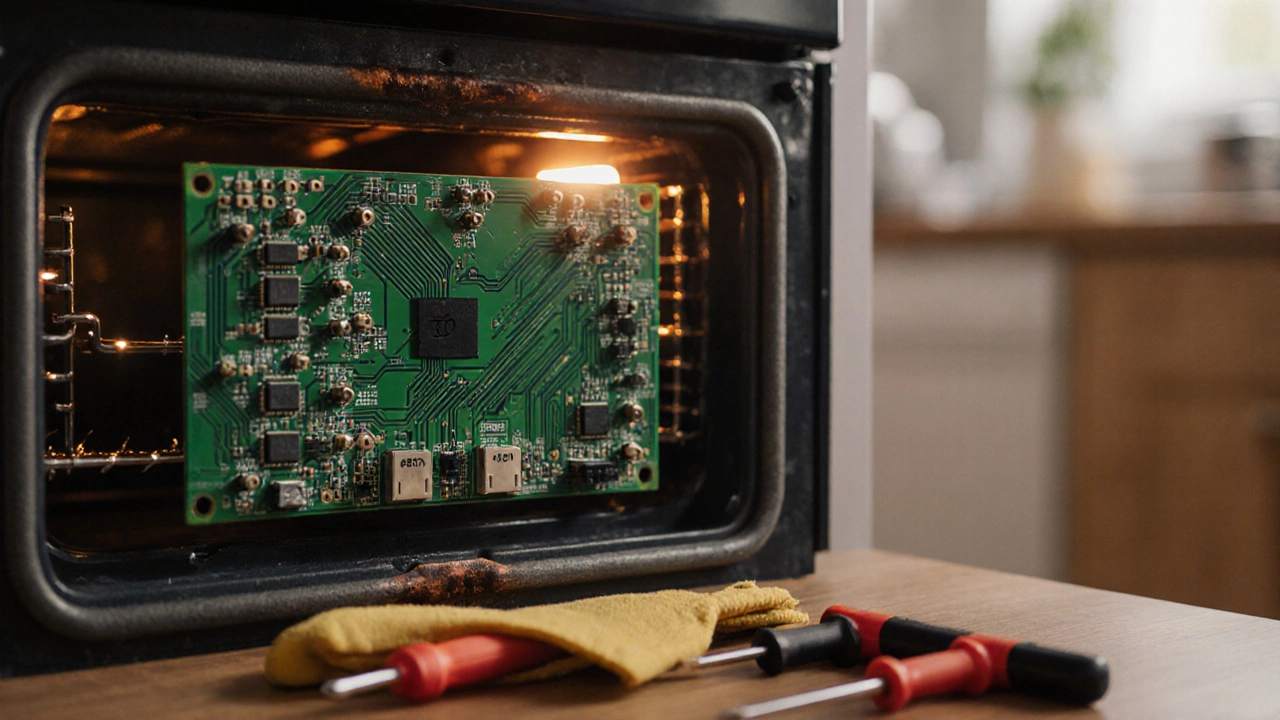
Learn when swapping an oven control board makes sense, how much it costs, DIY steps, and when to opt for a new oven instead.
When dealing with control board replacement, the process of swapping a faulty electronic control module in an appliance. Also known as PCB swap, it is a key step in restoring functionality to any modern device that relies on digital logic.
Control boards fail for a few common reasons – power surges, moisture, and worn‑out components all take a toll. Understanding these failure points links directly to appliance repair, the broader practice of fixing household machines. When a board burns out, the entire system can stop working, making quick diagnosis essential before you move to a full replacement.
Before you order a new board, you’ll want a qualified service technician, a trained professional who can safely handle high‑voltage components to run a thorough test. Safety isn’t optional – unplugging the appliance, discharging capacitors, and confirming the fault with a multimeter prevents injury and avoids unnecessary part purchases.
Finding the right appliance parts, genuine or OEM replacements that match the original specifications can save you money in the long run. Cheap knock‑offs may fit, but they often fail faster, leading to repeated repairs. Keep the model number, voltage rating, and connector type handy when you shop or ask a supplier for help.
Most technicians follow a step‑by‑step diagnostic routine: check error codes, verify power supply, inspect visible damage, and test key input/output pins. If the board shows no signs of life after these checks, replacement becomes the logical next move. This approach ensures you’re not swapping out a perfectly good board because of a simple wiring issue.
Replacing a control board has a direct impact on the overall lifespan of the appliance. A fresh board can restore original performance, meaning the machine may run for many more years without major issues. In contrast, ignoring a failing board often causes secondary damage – overheating motors, burned fuses, or even fire hazards.
Typical household gadgets that commonly need board swaps include washing machines, dryers, ovens, refrigerators, and dishwashers. Each of these appliances uses a customized control module that manages cycles, temperature, and safety functions. Knowing which devices are prone to board failures helps you plan maintenance and budget accordingly.
Below you’ll find a curated collection of articles that dig deeper into specific failure points, cost considerations, and step‑by‑step guides for various appliances. Whether you’re a DIY enthusiast or looking for signs that a professional should step in, the posts ahead cover everything from water heater lifespan to oven element troubleshooting, all tied back to the core topic of control board replacement.
Learn when swapping an oven control board makes sense, how much it costs, DIY steps, and when to opt for a new oven instead.
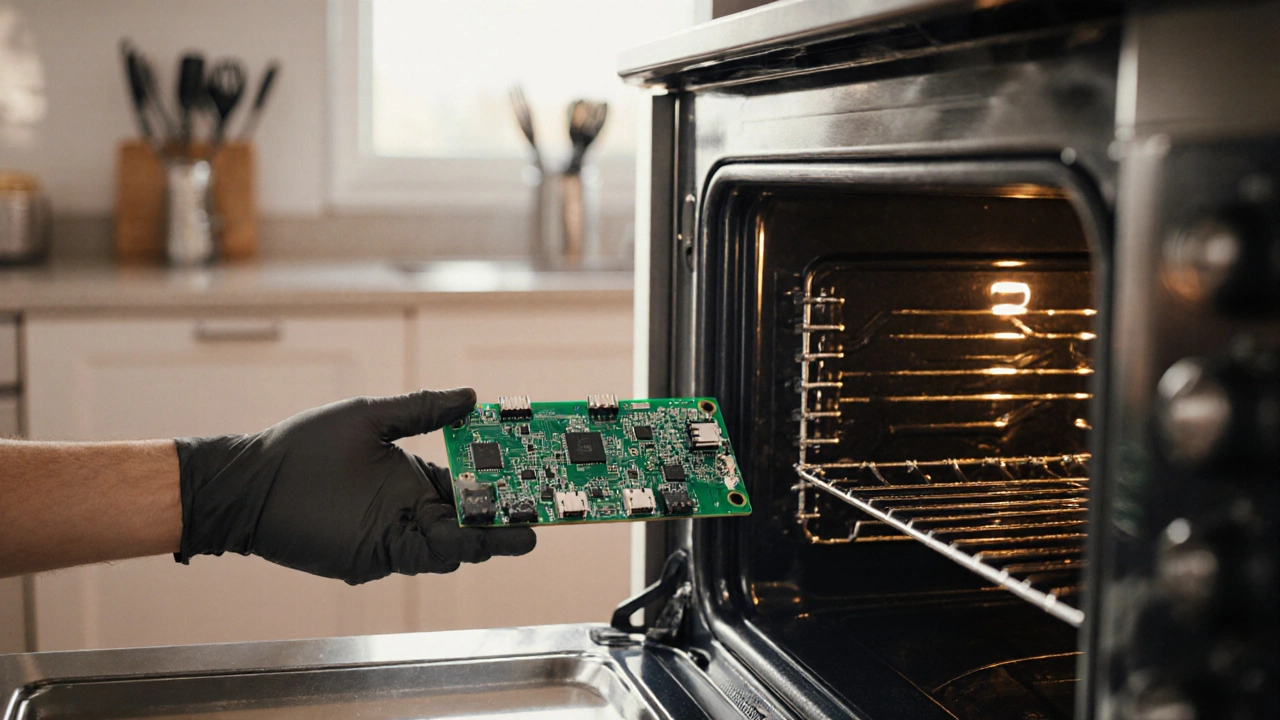
Learn the real cost to replace an oven control board, what factors affect price, DIY vs pro options, and how to keep your oven running smoothly.