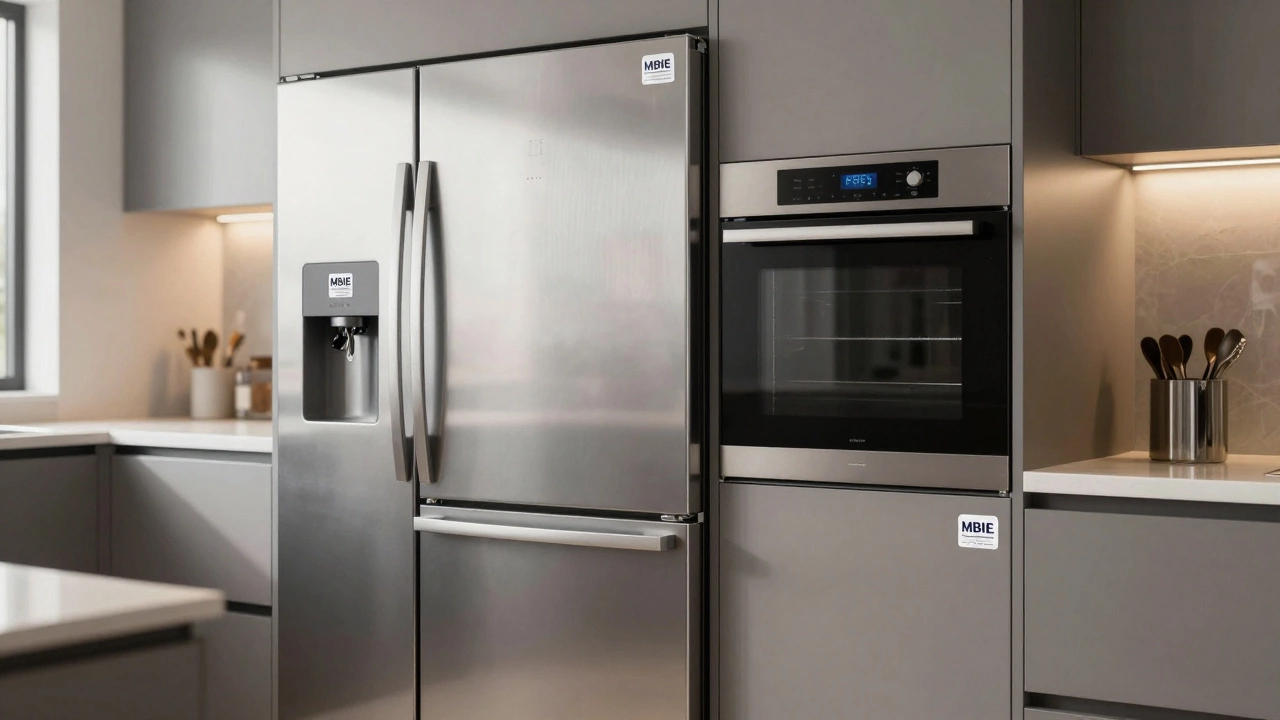
An appliance is a machine designed for routine household tasks like cooking, cleaning, or cooling. Understanding what qualifies as an appliance helps you make smarter repair, insurance, and buying decisions.
When we talk about appliance classification, the way home devices are grouped by function, power source, and repair needs. Also known as home appliance categories, it helps you spot problems faster and know who to call when something breaks. Your fridge isn’t just a box that keeps food cold—it’s a sealed system with a compressor, thermostat, and evaporator coils. Your dishwasher isn’t just a tub with spray arms—it’s a pump, heater, and drain system all working together. These aren’t random gadgets; they’re built to last 10 to 15 years, but only if they’re treated right.
That’s why appliance classification matters. It’s not about labels—it’s about knowing what’s inside. A water heater has a tank, anode rod, and heating elements. If you get rusty water or strange noises, you’re not just dealing with "hot water issues"—you’re seeing signs of sediment buildup or a failing element. A cooker or electric oven might have a burned-out element, a faulty control board, or a broken thermostat. These aren’t interchangeable parts. Fixing one isn’t like fixing another. And if you don’t know the difference, you might pay for a service call that doesn’t fix the real problem.
Most people think if an appliance stops working, it’s time to replace it. But that’s not always true. A washing machine with an error code might just need a reset. A dishwasher that won’t drain? Often just a clogged filter. You don’t need a new one—you need to know what to check. That’s where classification helps. It groups similar problems together. If your fridge suddenly stops cooling, it’s likely a compressor, coil, or defrost issue—not a power surge. If your oven won’t heat, it’s probably the element or thermostat—not the circuit breaker. Knowing the type of appliance tells you where to look first.
And it’s not just about fixing things. It’s about avoiding big messes. A leaking water heater can flood your basement. A cracked glass hob can’t be glued back safely. A 20-year-old boiler might be cheaper to replace than repair. Classification helps you see the bigger picture. It turns guesswork into action. You stop asking, "Is it broken?" and start asking, "What kind of broken is it?"
Below, you’ll find real guides from people who’ve been there—troubleshooting fridges that quit, ovens that won’t preheat, dishwashers that leave dishes dirty, and water heaters that run out of hot water too fast. No fluff. No theory. Just what actually works when your appliance stops doing its job.
An appliance is a machine designed for routine household tasks like cooking, cleaning, or cooling. Understanding what qualifies as an appliance helps you make smarter repair, insurance, and buying decisions.