Oven Repair vs Replace Calculator
Oven Age & Cost Calculator
Your Recommendation
Energy Savings Estimate
You could save per year
This means your new oven could pay for itself in years
How long should your electric oven actually last? If you're wondering whether it's time to fix yours or just buy a new one, you're not alone. Most people assume their oven will last forever - until it starts acting up. Then suddenly, you're faced with a broken heating element, uneven baking, or a door that won't seal. The truth? Electric ovens don’t last as long as you think, and knowing the real timeline can save you money and frustration.
What’s the average lifespan of an electric oven?
The typical electric oven lasts between 10 and 15 years. That’s the number most manufacturers and repair technicians agree on. But that’s just an average. Some ovens die at 7 years. Others push past 20. Why the big difference? It comes down to three things: build quality, how often you use it, and how well you take care of it.
Take a mid-range oven from a brand like Whirlpool or GE. If it’s used daily - baking cookies every weekend, roasting chickens on Sundays, broiling steak once a week - it’s going to wear out faster than one used only once a week. Heavy use puts stress on the heating elements, thermostat, and door seals. Over time, those parts break down. In homes with frequent baking, 10 years is often the max. In lighter-use households, 12 to 15 is more common.
Signs your oven is nearing the end
Don’t wait until it stops working completely. Look for these warning signs:
- Uneven cooking - Food burns on one side and stays raw on the other. This usually means the heating element is failing or the thermostat is inaccurate.
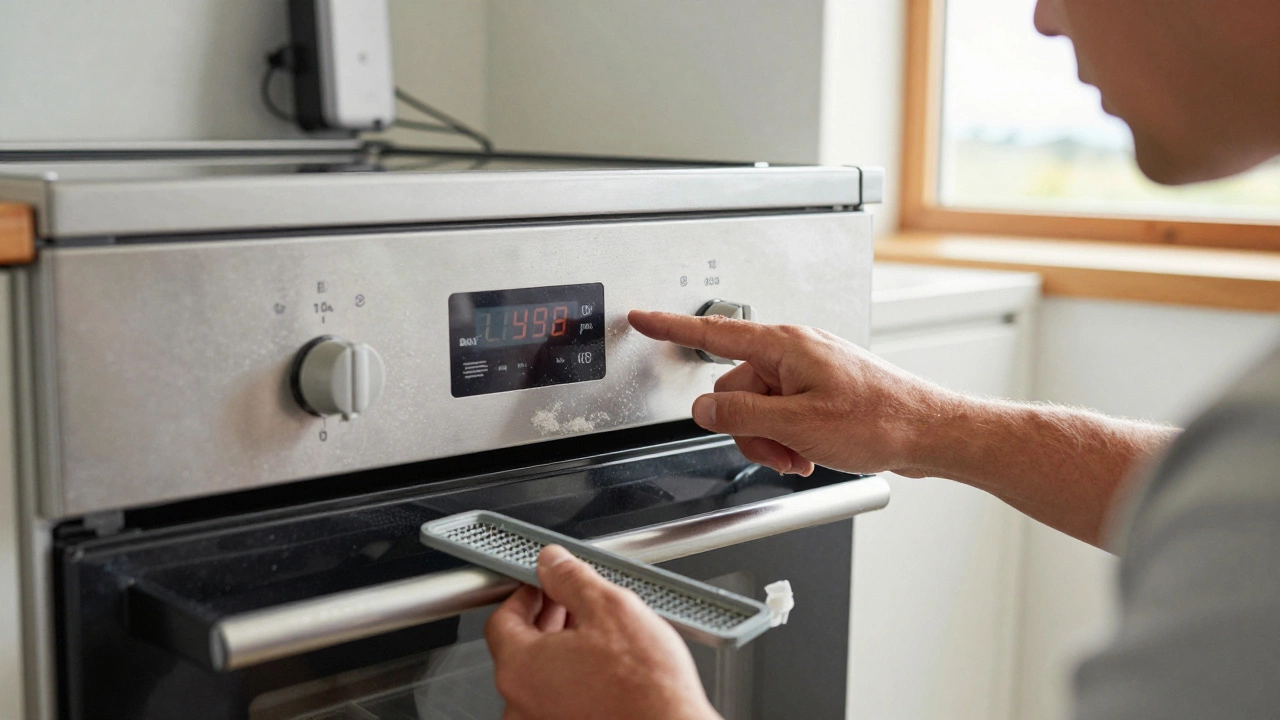
- Longer preheating times - If it takes 30 minutes instead of 10 to reach 350°F, the element or control board is struggling.
- Visible damage - Cracks in the heating element, rust on the oven floor, or warped door seals. These aren’t just cosmetic. They let heat escape, making the oven work harder and waste energy.
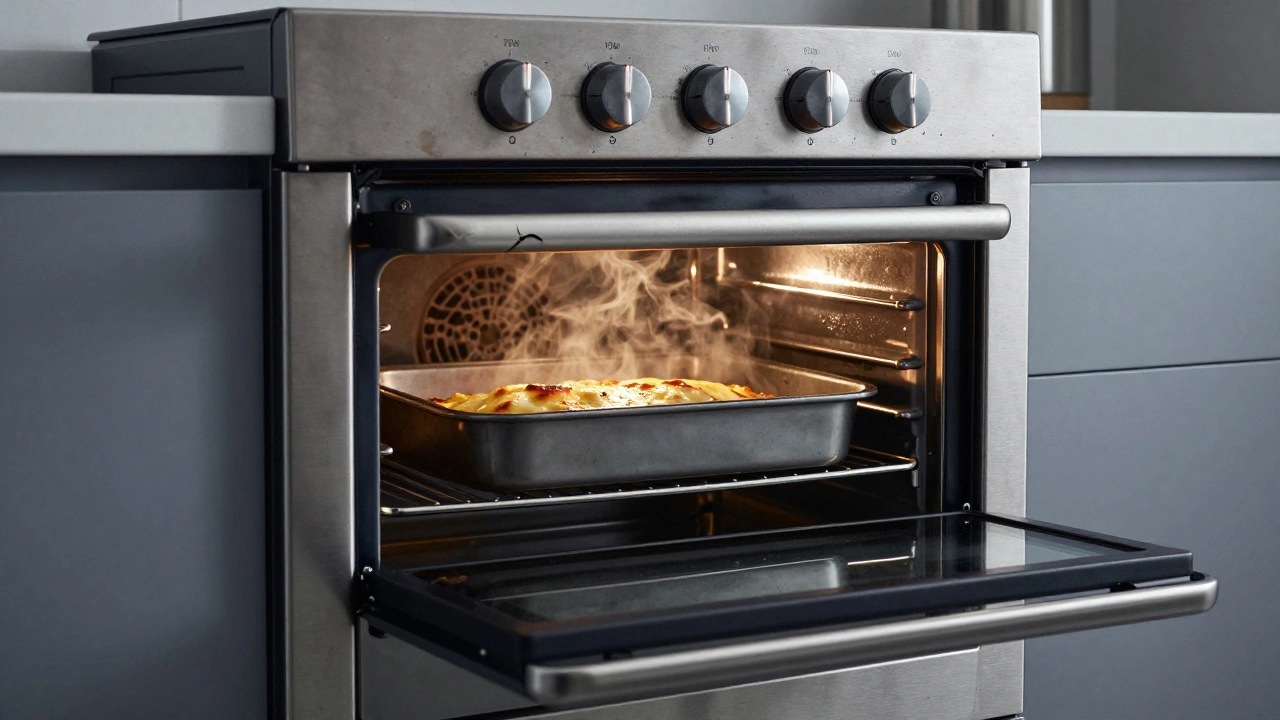
- Strange smells or smoke - Burning plastic, metallic odors, or smoke during use mean something’s overheating or melting inside.
- Control panel glitches - Buttons that don’t respond, error codes that keep popping up, or the oven turning on/off randomly. These point to failing electronics.
One real example from Wellington: A homeowner replaced their oven after 11 years because it took 25 minutes to preheat, the door seal was cracked, and the display flickered. They’d already spent $180 on two repairs in the past year. A new oven cost $800. They chose replacement - and saved money over time because the new model used 20% less electricity.
Repair vs. Replace: When to choose what
Here’s the rule most appliance technicians follow: If a repair costs more than half the price of a new oven, walk away.
Let’s say your oven is 8 years old. You need a new heating element. That part costs $60. Labor? $120. Total: $180. A new mid-range oven? $700. That’s only 25% of the replacement cost. Fix it.
But if your oven is 13 years old and needs a new control board - $300 part + $150 labor = $450 - you’re now spending over 60% of what a new one costs. Even if it works after the repair, the next part is likely to fail soon. That’s when replacement makes sense.
Also consider energy efficiency. Ovens built before 2015 use 15-30% more power than modern models. If your electricity bill has crept up over the last few years, that’s another hidden cost. A new oven can pay for itself in energy savings within 3-5 years.
How to make your oven last longer
You can stretch your oven’s life by a few years with simple habits:
- Clean regularly - Spilled grease and food debris build up over time and can cause overheating. Wipe the interior after each use. Do a deep clean every 3 months.
- Don’t slam the door - Rough handling damages the latch and door seal. A worn seal lets heat escape, forcing the oven to run longer and hotter.
- Use oven-safe cookware - Aluminum foil touching the heating element can cause shorts. Don’t line the bottom with foil unless the manual says it’s okay.
- Check the door seal - Run your hand around the door when it’s closed. If you feel heat leaking, it’s time to replace the gasket. They cost under $30 and take 15 minutes to swap.
- Don’t overload - Stacking three heavy baking trays on top of each other strains the heating elements and fans.
One homeowner in Lower Hutt kept their 1998 oven running until 2022 - 24 years - by cleaning it weekly and replacing the door seal every 5 years. That’s rare, but it shows how maintenance matters.
What affects lifespan in New Zealand?
Here, humidity and salt air (especially near the coast) can speed up corrosion. If you live near the sea, your oven’s metal parts - like the heating element housing or control panel - may rust faster. Salt spray doesn’t just affect cars. It gets into vents and crevices.
Also, power surges are common in rural areas or older neighborhoods. A single lightning storm or grid fluctuation can fry the control board. Installing a basic surge protector for your oven (plugged into the wall outlet) can add years to its life. They cost under $50.
When to replace - even if it still works
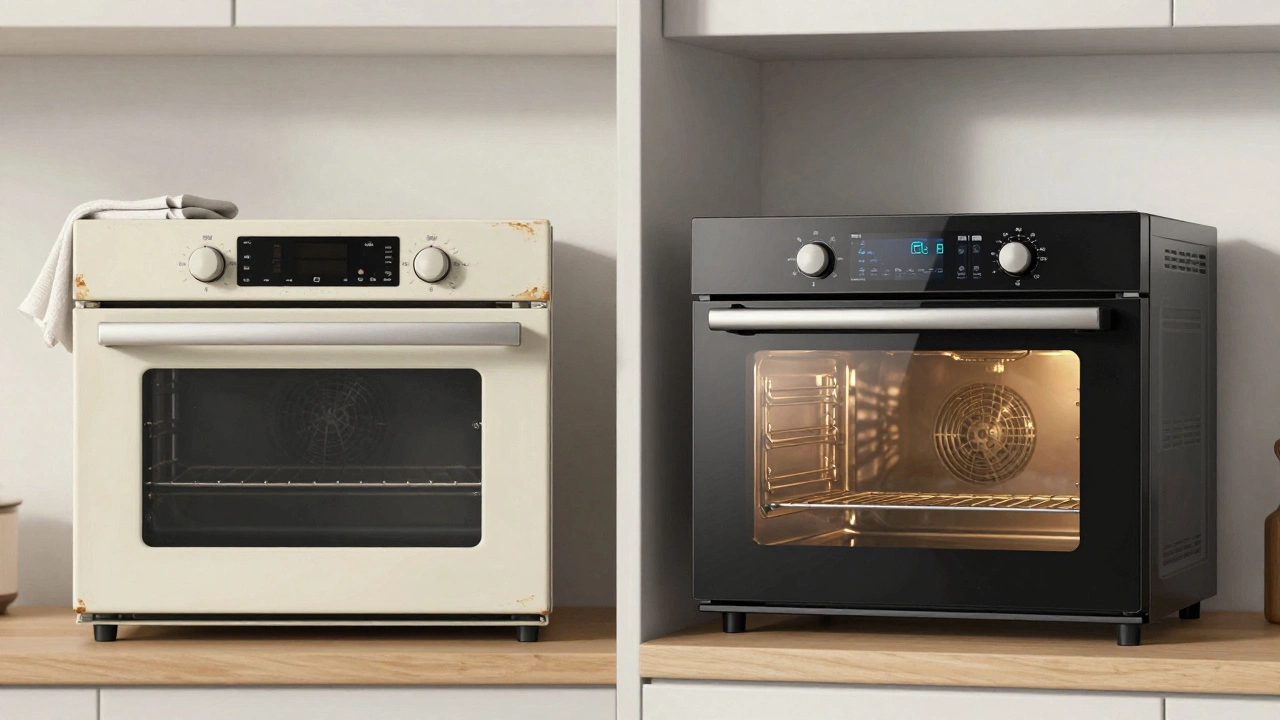
Some people hold onto ovens out of habit. But if yours is older than 15 years, you’re probably losing money in three ways:
- Higher electricity bills - Older models aren’t designed for efficiency.
- More repair costs - Parts for 15+ year old ovens are harder to find and more expensive.
- Time and stress - Waiting for a technician, dealing with broken meals, or cooking with a malfunctioning oven isn’t worth it.
Modern ovens have better insulation, smart sensors, and even Wi-Fi connectivity. If you bake often, a new oven with convection and precise temperature control can make a real difference in your results.
What to look for in a new oven
If you’re replacing, here’s what matters:
- Size - Standard is 60cm wide. Make sure the cutout in your cabinetry matches.
- Convection - A fan circulates heat for even baking. Worth the extra cost if you bake often.
- Self-cleaning - Steam or pyrolytic cleaning saves time. Pyrolytic (high-heat) is more effective but uses more energy.
- Energy rating - Look for A+++ or A++. Avoid anything below A.
- Warranty - At least 1 year on parts, 2 on labor. Some brands offer 5-year extended warranties.
Brands like Smeg, Bosch, and Electrolux are known for durability. Budget brands like Haier or Midea may save money upfront but often fail sooner.
Final advice: Track your oven’s age
Write down the purchase date on a sticky note and stick it inside the oven door. That way, you’ll know when it hits 10 years - the tipping point where repairs become risky and replacements make more sense.
Most people don’t realize their oven is past its prime until it breaks completely. By then, you’re rushed, stressed, and stuck with the first available model. Plan ahead. If your oven is 10 years old and showing any of the warning signs, start looking at replacements now. You’ll have time to compare, wait for a sale, and choose the right one - not the first one you see at the store.
Can I extend my electric oven’s lifespan with regular cleaning?
Yes, cleaning regularly helps. Wiping spills right away and doing a deep clean every 3 months prevents grease buildup that can overheat parts. But cleaning won’t fix worn-out heating elements or a failing thermostat. It just slows down wear. A clean oven lasts longer, but it won’t turn a 15-year-old oven into a 25-year-old one.
Is it worth repairing a 12-year-old oven?
It depends on the repair cost. If the fix is under $200 and the oven still heats evenly, yes. But if it’s over $300, or if the oven has had multiple repairs in the last 2 years, replacement is smarter. At 12 years, parts are harder to find, and the next failure is likely around the corner.
Do cheaper ovens last less time?
Generally, yes. Budget brands often use thinner metal, weaker heating elements, and less durable controls. You might save $200 upfront, but you could be replacing it in 7 years instead of 12. Mid-range ovens from brands like Bosch or Whirlpool offer the best balance of price and longevity.
Why does my oven take longer to preheat now?
It’s usually a sign the heating element is weakening or the thermostat is inaccurate. Over time, elements lose efficiency. If it used to preheat in 10 minutes and now takes 20+, it’s not just slow - it’s failing. A technician can test the element’s resistance. If it’s below the manufacturer’s spec, replacement is needed.
Should I replace my oven before it breaks?
If it’s 10+ years old and you’re already noticing issues - uneven baking, longer preheating, strange smells - then yes. Waiting until it dies means you’ll have to replace it urgently, often at full price. Planning ahead lets you shop around, wait for sales, and choose the model that fits your needs.
I am an expert in the services industry with a focus on appliance repair. My passion lies in understanding how things work and educating others in simple, engaging ways. This enthusiasm fuels my writing, where I delve into topics around appliance maintenance and troubleshooting. I aim to make these subjects clear and accessible to all readers.