Boiler Replacement Time Estimator
Select your scenario below to get a realistic estimate of how long your boiler replacement will take.
Estimated Duration
--
Hours
Breakdown of Likely Tasks:
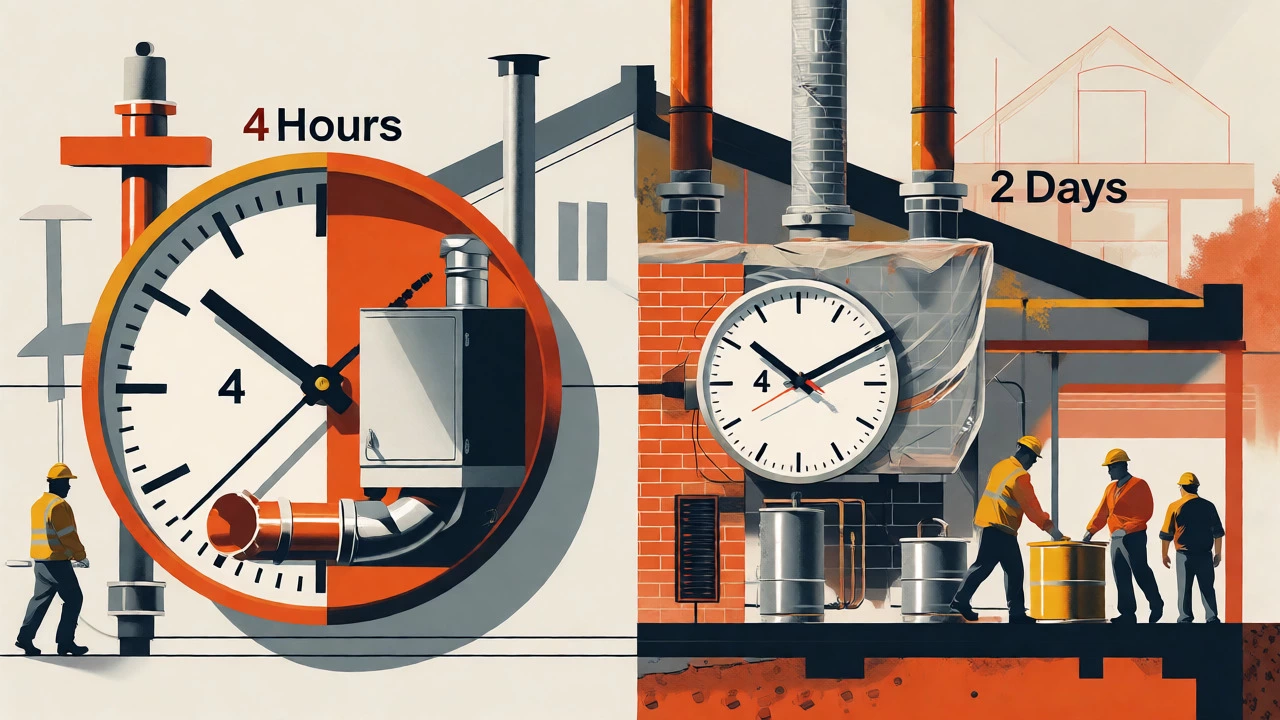
You’ve got a cold shower, a lukewarm cup of tea, and a radiator that’s finally given up the ghost. The question on everyone’s mind isn’t just "how much," but "how long?" If you’re staring at your old, noisy unit wondering if you’ll be without heat for a week or just an afternoon, here is the straight answer: a standard combi boiler replacement typically takes between four and eight hours. That’s it. One working day. But-and this is a big "but"-that timeline assumes a like-for-like swap in an accessible location. If you’re moving pipes, upgrading from a system boiler to a combi, or dealing with asbestos in an older home, you might be looking at two days. Let’s break down exactly what eats up that time so you can plan your day (and your downtime) accordingly.
The Standard Replacement Timeline
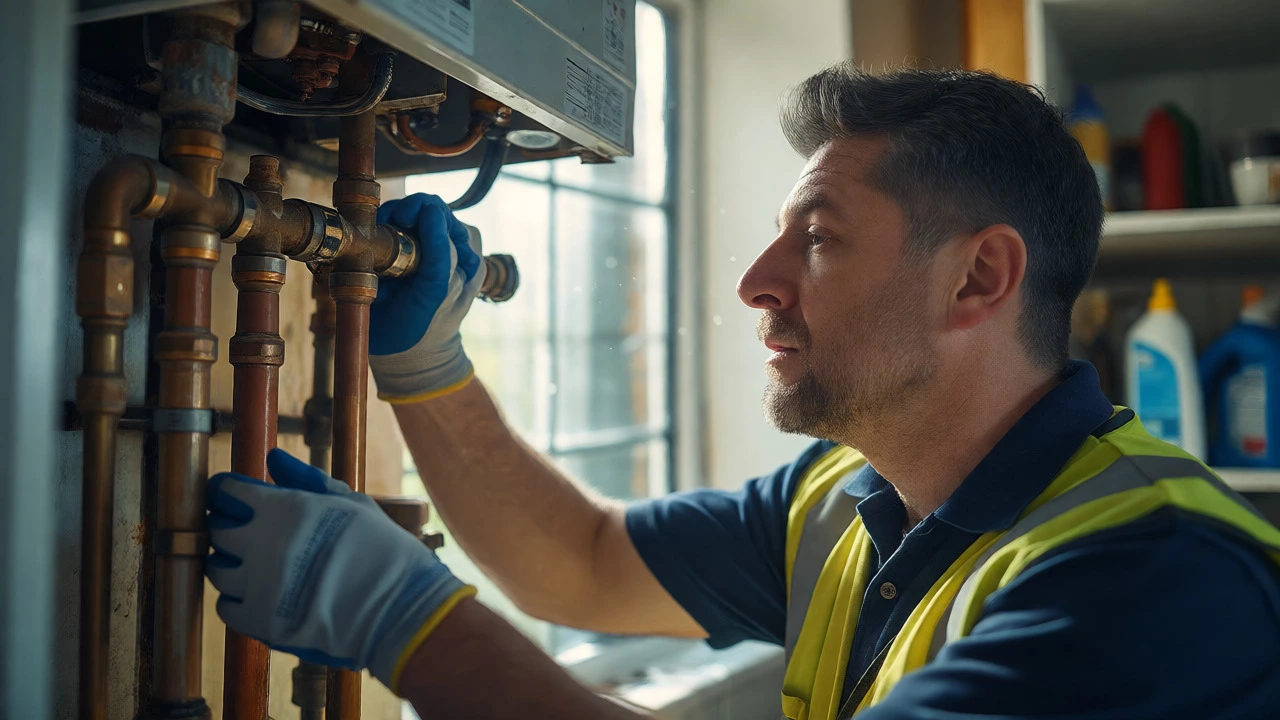
For most homeowners in Wellington or similar climates, replacing an existing boiler with a new one in the same spot is a straightforward job. A qualified Gas Safe registered engineer will usually block out half a day to a full day. Here’s how those hours are actually spent:
- Preparation and Safety Checks (30-60 minutes): Before any tools come out, the engineer needs to isolate the water and gas supplies. They’ll also check the flue route and ensure the area is ventilated. If your property has asbestos (common in pre-1980s builds), they might need to do minor encapsulation work first, which adds time.
- Draining the System (30-45 minutes): The central heating system must be drained completely. This involves opening drain valves, bleeding radiators, and ensuring no residual water spills onto your floors. If your system hasn’t been flushed in years, this part can get messy and slow.
- Removing the Old Unit (1-2 hours): Disconnecting the gas pipe, water feeds, condensate pipe, and electrical connections. Lifting a heavy cast-iron or steel boiler out of a cupboard or loft space requires care. If the old boiler is seized due to rust or poor previous installations, this step drags on.
- Installing the New Boiler (2-4 hours): Hanging the bracket, connecting the new gas line, fitting the new water pipes (often requiring copper soldering or push-fit connectors), and attaching the flue. The flue routing is critical; it must exit through a wall or roof according to strict building codes.
- Filling, Testing, and Commissioning (1-2 hours): Refilling the system, checking for leaks, firing up the burner, and testing safety devices. The engineer will also program the new controls and show you how to use them.
Factors That Extend the Job
If your quote says "one day" but the engineer arrives with a second person, or stays until dusk, something complex is happening. Here are the usual suspects that turn a four-hour job into a ten-hour ordeal.
Moving the Boiler Location
If you’re relocating the boiler from the kitchen to the airing cupboard, or vice versa, you’re not just swapping units. You’re running new gas pipes, extending water lines, and rerouting the condensate drain. Each meter of new pipework adds significant labor time. Soldering copper pipes through walls or under floorboards is precise work. Expect to add three to five hours for a simple relocation within the same floor.
Upgrading System Types
Switching from a regular (open vent) boiler to a combi boiler is a popular move to save space. However, it removes the need for a hot water cylinder and feed/expansion tanks in the loft. Removing these tanks, capping off the pipes, and converting the heating circuit to sealed pressure takes extra time. Conversely, installing a system boiler where none existed before means plumbing in a new unvented cylinder, which can double the installation time.
Flue Complications
The flue is the exhaust pipe for combustion gases. Modern condensing boilers require plastic (usually PVC or PP) flues, whereas older ones used metal. If your current flue exits through a chimney breast that’s blocked or lined differently, the engineer might need to chase channels into brickwork or install a concentric vertical flue kit. This masonry work is dusty, loud, and time-consuming.
Asbestos and Accessibility
In New Zealand and many other places, homes built before 1980 may contain asbestos lagging around pipes. Engineers cannot disturb friable asbestos without specific protocols. If they find it, they stop, assess, and potentially wait for a specialist. Similarly, if your boiler is in a cramped cupboard with limited access, removing the old unit can become a puzzle rather than a lift-and-drop operation.
What Happens Before the Engineer Arrives?
The clock doesn’t start when the van pulls up. The lead time-the gap between agreeing on a quote and the actual installation-varies wildly. In peak winter months, demand spikes. A reputable firm might have a two-week waitlist. During summer, you could get someone out in three days.
Don’t forget the paperwork. In many jurisdictions, including New Zealand, gas work must be certified. The engineer needs to notify the local authority or a self-certification body (like ESCO in NZ) upon completion. This administrative step happens after the physical work, but it’s crucial for your home’s compliance record. Keep the certificate safe; you’ll need it when selling your house.
Can You Speed Up the Process?
You have more control over the timeline than you think. Here’s how to keep things moving:
- Clear the Space: Empty the cupboard or area around the boiler. Remove cleaning products, coats, and clutter. If the engineer spends 20 minutes moving your stuff, that’s 20 minutes not spent fixing your heat.
- Decide Early: Have your boiler model and controls chosen beforehand. Waiting for you to pick a thermostat color while standing in a cold hallway slows everything down.
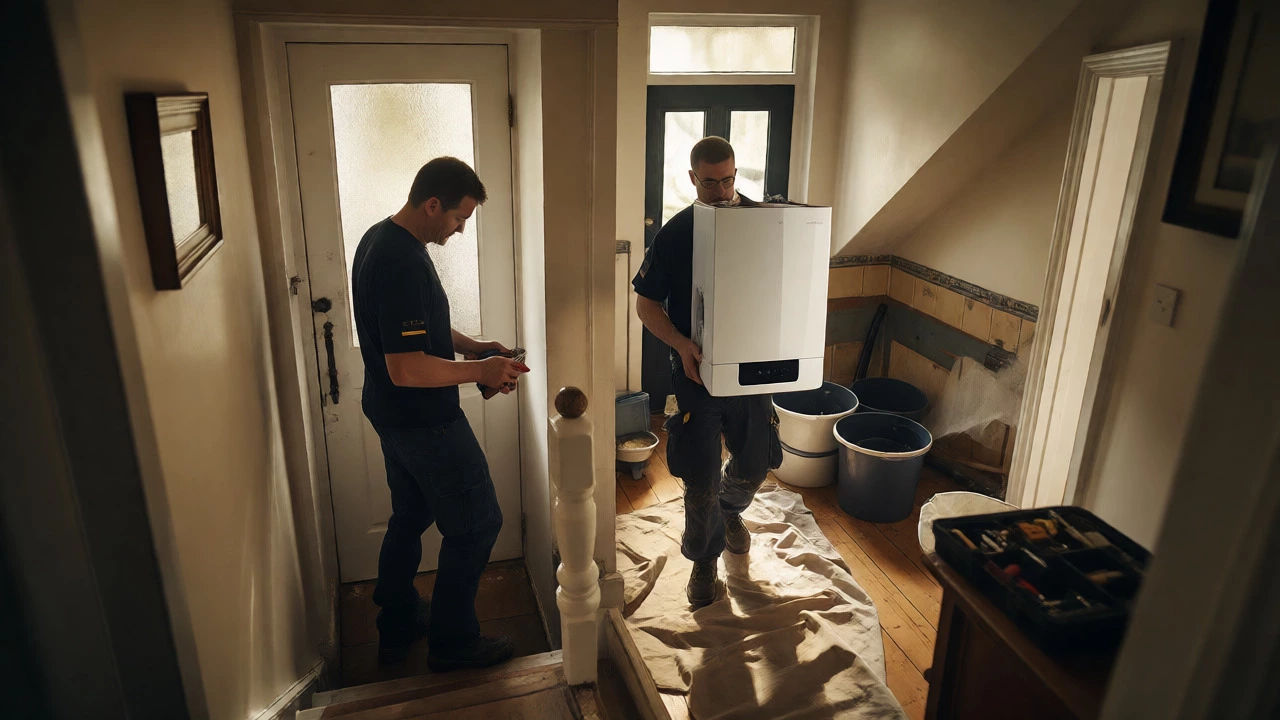
- Check Access: Ensure there’s a clear path from the front door to the boiler site. If the engineer has to navigate narrow stairs with a 40kg box, they’ll take their time.
- Book Off-Peak: If possible, schedule replacements in spring or autumn. You’ll likely get faster service and sometimes better pricing.
Comparison: What Takes How Long?
Not all jobs are created equal. Use this table to set realistic expectations based on your specific scenario.
| Job Type | Estimated Duration | Key Complexity Factors |
|---|---|---|
| Like-for-Like Combi Swap | 4-6 Hours | Standard flue, easy access, existing pipework compatible. |
| Combi to System Upgrade | 1-2 Days | Installing new cylinder, rewiring controls, draining/refilling twice. |
| Relocation (Same Floor) | 1 Day | New gas/water runs, chasing walls, patching plaster. |
| Relocation (Different Floor) | 2+ Days | Vertical pipe runs, floor joists drilling, structural checks. |
| Emergency Replacement | Variable | Waiting for stock delivery, weekend rates, potential overtime. |
The Aftermath: When Is Your Heat Back On?
Once the engineer leaves, your heating should work immediately. However, don’t expect instant perfection. New systems often need balancing. Radiators farthest from the boiler might heat slower than those nearby. This isn’t a fault; it’s physics. Most engineers will give you a quick lesson on adjusting lockshield valves to balance flow. If you notice cold spots after a few days, call back for a free adjustment visit-it’s standard practice.
Also, allow for a "settling in" period. Air locks can form in the system during refilling. You might hear gurgling noises for the first 24 hours. Bleeding the radiators once or twice usually solves this. If the noise persists or pressure drops significantly, contact your installer.
Troubleshooting Delays
What if the engineer says they can’t finish today? Common reasons include:
- Missing Parts: Rare, but happens. If your flue kit doesn’t match the wall thickness, they might need to order a sleeve.
- Gas Pressure Issues: If the incoming gas pressure is too low, the new boiler won’t fire correctly. This might require a gas supply upgrade, which is a separate job.
- Electrical Faults: Older wiring might not meet current standards for the new boiler’s PCB. An electrician might be needed mid-job.
Communication is key. Ask your installer upfront: "If you hit a snag, how will you handle it? Will you return the next day, or do I lose my slot?" Reputable companies prioritize finishing the job, even if it means staying late.
Can I still use my hot water during the replacement?
No. The water system is drained, so both heating and hot water are off. Plan for a cold shower or use an electric kettle for basic needs. If you have a backup immersion heater, you might retain some hot water, but check with your engineer first.
Do I need to empty the entire house?
No, just the immediate area around the boiler. Clear the cupboard shelves and move furniture away from the path to the utility room. Dust can travel, so covering nearby items with dust sheets is a smart precaution.
Why does the engineer need to test the gas pressure?
Modern boilers require specific gas inlet pressures to operate efficiently and safely. If the pressure is too low, the boiler will lock out or fail to ignite. Testing ensures your supply meets the manufacturer's specifications, preventing future breakdowns.
Is it cheaper to replace a boiler in summer?
Often, yes. Demand is lower, so installers have more flexibility with scheduling. Some companies offer seasonal discounts. Plus, if something goes wrong, they can return quickly without waiting weeks for a busy winter slot.
What happens if my old boiler contains asbestos?
The engineer will stop work on that section. Non-friable asbestos (bonded in tiles or cement) can often be left in place if undisturbed. Friable asbestos (crumbly insulation) requires removal by a licensed specialist, adding cost and time. Always ask for an asbestos survey if your home is older.
I am an expert in the services industry with a focus on appliance repair. My passion lies in understanding how things work and educating others in simple, engaging ways. This enthusiasm fuels my writing, where I delve into topics around appliance maintenance and troubleshooting. I aim to make these subjects clear and accessible to all readers.