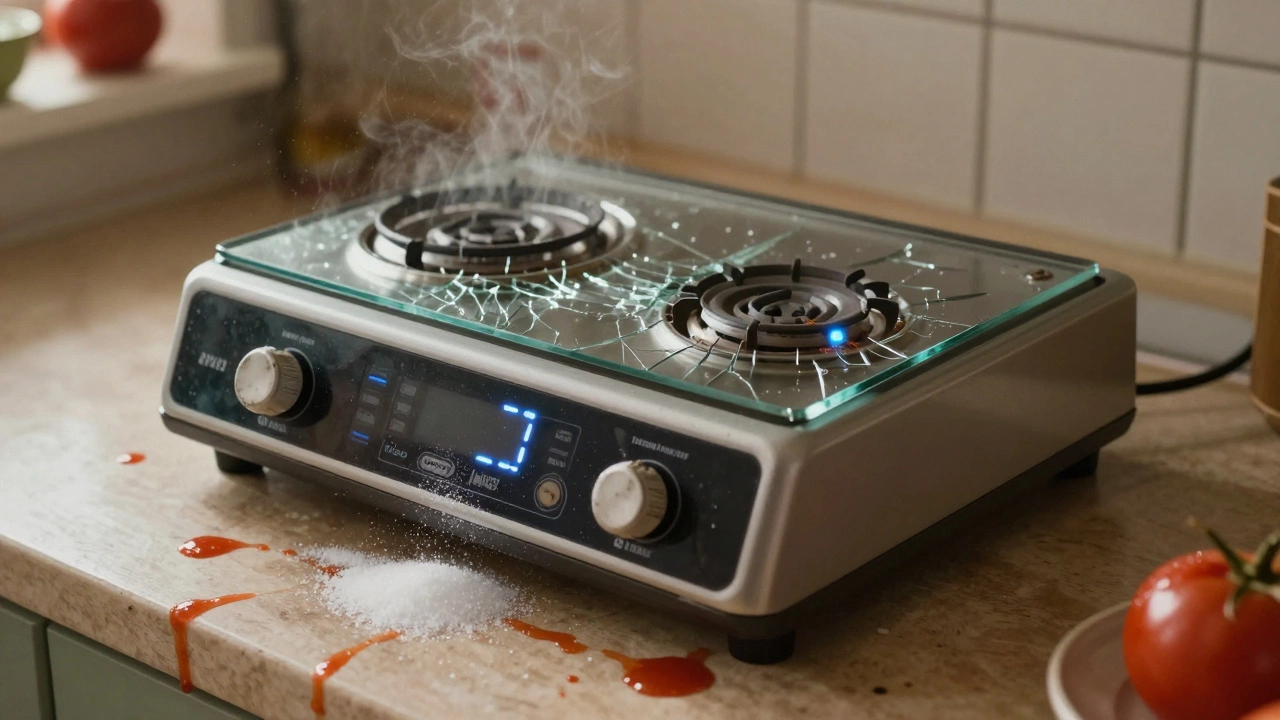
Electric Hob Lifespan Calculator
Most people don’t think about how long their electric hob will last until it stops working. Then suddenly, you’re staring at a broken cooktop, wondering if it’s worth fixing or if it’s time to buy new. The truth? Electric hobs can last anywhere from 10 to 15 years with normal use - but many fail way sooner because of how they’re treated.
What actually wears out on an electric hob?
It’s not the heating elements alone. Yes, the coils or halogen rings can burn out, but the real killers are the controls, wiring, and the glass surface. The control knobs or touch panels are the most common failure points. After five to seven years of daily use, the electronics inside start to degrade. Moisture from spills, steam, and even cleaning products seep in over time. You might notice one burner taking longer to heat up, or the display flickering. That’s not just a glitch - it’s the beginning of the end.
In Wellington, where humidity is high and kitchens get a lot of use, electric hobs often show signs of wear faster than in drier climates. A hob used three to four times a day, every day, will wear out quicker than one used only on weekends. If you’ve got a hob that’s 12 years old and it’s starting to act up, you’re already past the halfway mark of its expected life.
How to make your electric hob last longer
You don’t need to be a technician to extend your hob’s life. Simple habits make a big difference.
- Never let spills sit. Sugar, salt, and acidic foods like tomato sauce can etch the glass surface if left to bake on. Wipe them up while the hob is still warm - but not hot - to avoid thermal shock.
- Use flat-bottomed pots. A warped pan doesn’t make full contact with the heating zone. That forces the element to work harder, overheating the coil or ceramic plate underneath.
- Avoid heavy pots slamming down. Dropping a cast iron Dutch oven on the glass can cause micro-cracks that grow over time. Even if it doesn’t break right away, those cracks let moisture in.
- Don’t use abrasive cleaners. Steel wool or harsh powders scratch the glass. Stick to ceramic hob cleaners or a mix of vinegar and water with a soft cloth.
- Check the wiring behind the unit every couple of years. Loose connections cause arcing, which damages the circuit board. If you’re not comfortable doing this yourself, ask a licensed electrician.
These steps won’t turn a 10-year-old hob into a 20-year-old one, but they can easily add two to four extra years. That’s the difference between replacing it once or twice in your home.
When should you repair vs. replace?
Here’s the hard truth: if your electric hob is over 10 years old and needs a new control panel or circuit board, replacement is almost always cheaper than repair.
A new control board for a mid-range hob can cost $200-$350, plus labor. A brand-new entry-level electric hob? Around $500-$700. That’s not a huge gap - and you get a warranty, better efficiency, and modern safety features like auto-shutoff and child locks.
There are exceptions. If you have a high-end model from brands like BOSCH, NEFF, or MIELE, and the issue is just a single burner coil, repair makes sense. Those coils cost under $50 and take an hour to swap. But if the problem is in the main control unit, or if multiple burners are failing, it’s time to walk away.
Also, consider energy use. A 15-year-old hob might use 20-30% more power than a new one. Over five years, that adds up to hundreds of dollars in extra electricity bills. Newer models have better heat distribution and faster response times, which means you’re not just saving money - you’re saving time.
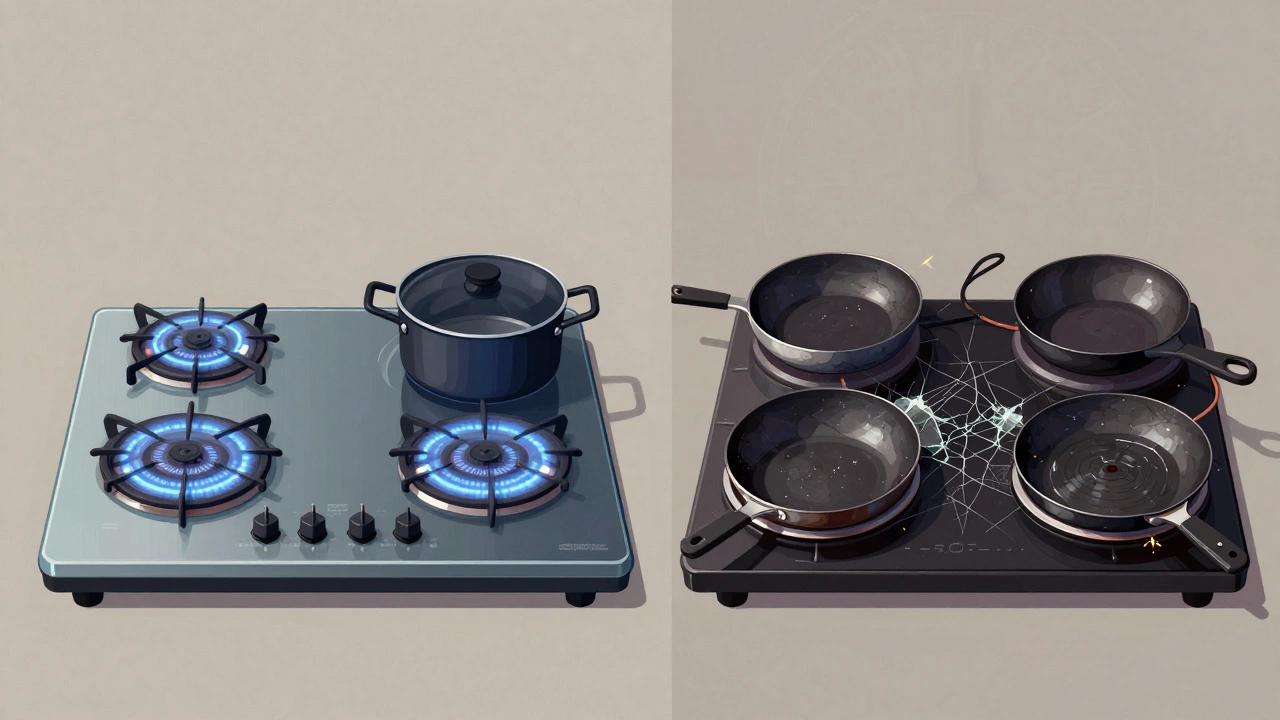
Signs your electric hob is nearing the end
Don’t wait for total failure. Watch for these red flags:
- One or more burners take much longer to heat up - or don’t heat at all.
- The display shows error codes you can’t find in the manual (like E1, E2, or E9).
- Sparks or buzzing sounds come from the control panel when you turn it on.
- The glass surface has deep scratches, cracks, or cloudiness that won’t clean off.
- You need to jiggle the knob or press the touch button multiple times to get it to work.
Any of these mean the hob is no longer reliable. It’s not dangerous - unless you see smoke or burning smells - but it’s inefficient and unpredictable. Cooking becomes a guessing game. That’s not worth the hassle.
What’s the average lifespan by brand?
Not all electric hobs are built the same. Based on repair data from New Zealand appliance technicians, here’s what you can expect:
| Brand | Average Lifespan | Most Common Failure |
|---|---|---|
| BOSCH | 12-16 years | Control panel electronics |
| NEFF | 11-15 years | Heating element connections |
| Indesit / Hotpoint | 8-11 years | Knob switches, wiring |
| Whirlpool | 9-12 years | Glass surface cracking |
| Generic / Budget brands | 5-8 years | Multiple burners failing |
Brands like BOSCH and NEFF use higher-grade components and better sealing around controls. That’s why they last longer - even if they cost more upfront. Budget brands often cut corners on wiring insulation and glass quality. They might look fine at first, but they don’t handle daily wear well.
What to look for in a new electric hob
If you’re replacing, here’s what matters most:
- Induction vs. electric: Induction hobs heat faster, use less energy, and stay cooler to the touch. They’re more expensive, but last longer - often 15+ years - because they have fewer moving parts. If you cook often, it’s worth the upgrade.
- Touch controls vs. knobs: Touch panels look sleek but are more prone to moisture damage. Physical knobs are more durable and easier to clean.
- Warranty: Look for at least a 2-year parts and labor warranty. Some brands offer 5 years on the hob surface.
- Heat zones: Make sure the size matches your pots. Too many small zones waste energy. Too few make cooking awkward.
Don’t get sucked in by fancy features like Bluetooth or apps. Those rarely add value and often become dead weight when the software stops updating. Stick to reliability.
What happens to old hobs?
Most broken electric hobs end up in landfills - and that’s a problem. The glass contains trace metals, and the circuit boards have lead and other toxins. In New Zealand, you can drop off old appliances at council recycling centers for free. Some appliance stores also take them back when you buy a new one. Don’t just leave it by the curb. Recycling it properly keeps harmful materials out of the soil and water.
Even if your hob is dead, the glass panel or heating coils might still be usable for repairs elsewhere. Some repair shops salvage parts from older models to fix similar units. It’s not glamorous, but it’s practical.
Final verdict: How long should you expect yours to last?
With careful use, a good electric hob should last 12 years. If you treat it like a disposable item - clean it with the wrong products, ignore small issues, or use it nonstop - it’ll die in five. The average Kiwi household replaces their hob every 10 years. That’s not bad - but you can stretch it.
Here’s your rule of thumb: If your hob is 10 years old and it’s acting up, get a quote for repair. If it’s more than $250 and the hob is older than 12 years, walk away. Buy new. The savings in energy, time, and stress will pay for itself within a year.
And if you’re unsure? Take a photo of the error code or the failing burner. Bring it to a local appliance repair shop. Most will give you a free opinion. Better to know now than to be stuck without a working hob on a busy weeknight.
Can I fix a broken electric hob myself?
You can replace a single burner coil if you’re handy and the hob is unplugged. But anything involving the control panel, wiring, or circuit board should be left to a professional. Electric hobs run on 240V power - one mistake can fry the whole unit or cause a fire. Most manufacturers void the warranty if you open the unit yourself.
Why does my electric hob turn off by itself?
This is usually a safety feature kicking in. Overheating, a faulty temperature sensor, or a failing control board can trigger auto-shutoff. If it happens often, it’s not just annoying - it’s a sign the electronics are failing. Don’t keep resetting it. Get it checked.
Are induction hobs better than electric?
Yes, for most people. Induction hobs heat food faster, use less electricity, and cool down instantly. They’re also easier to clean because the surface doesn’t get as hot. The main downside is you need magnetic cookware - cast iron or stainless steel with a magnetic base. If you already have those pots, induction is the smarter long-term choice.
How much does it cost to replace an electric hob?
Installation costs vary, but a basic electric hob replacement in New Zealand runs $500-$800, including removal of the old unit and new wiring if needed. High-end models or custom cuts in stone countertops can push it to $1,200. Always get at least two quotes.
Is it worth repairing a 15-year-old electric hob?
Almost never. At 15 years, the hob is already past its design life. Even if you fix one part, others are likely to fail soon. Newer models are more efficient, safer, and come with warranties. The money you save by repairing now will be spent twice over in higher electricity bills and repeated fixes.
I am an expert in the services industry with a focus on appliance repair. My passion lies in understanding how things work and educating others in simple, engaging ways. This enthusiasm fuels my writing, where I delve into topics around appliance maintenance and troubleshooting. I aim to make these subjects clear and accessible to all readers.