Heat Pump Repair vs. Replace Decision Tool
Enter your details below to determine if repairing the compressor is financially sensible compared to installing a new high-efficiency unit.
Recommendation
Repair Cost as % of New Unit
--%
Payback Period (New Unit)
-- Years
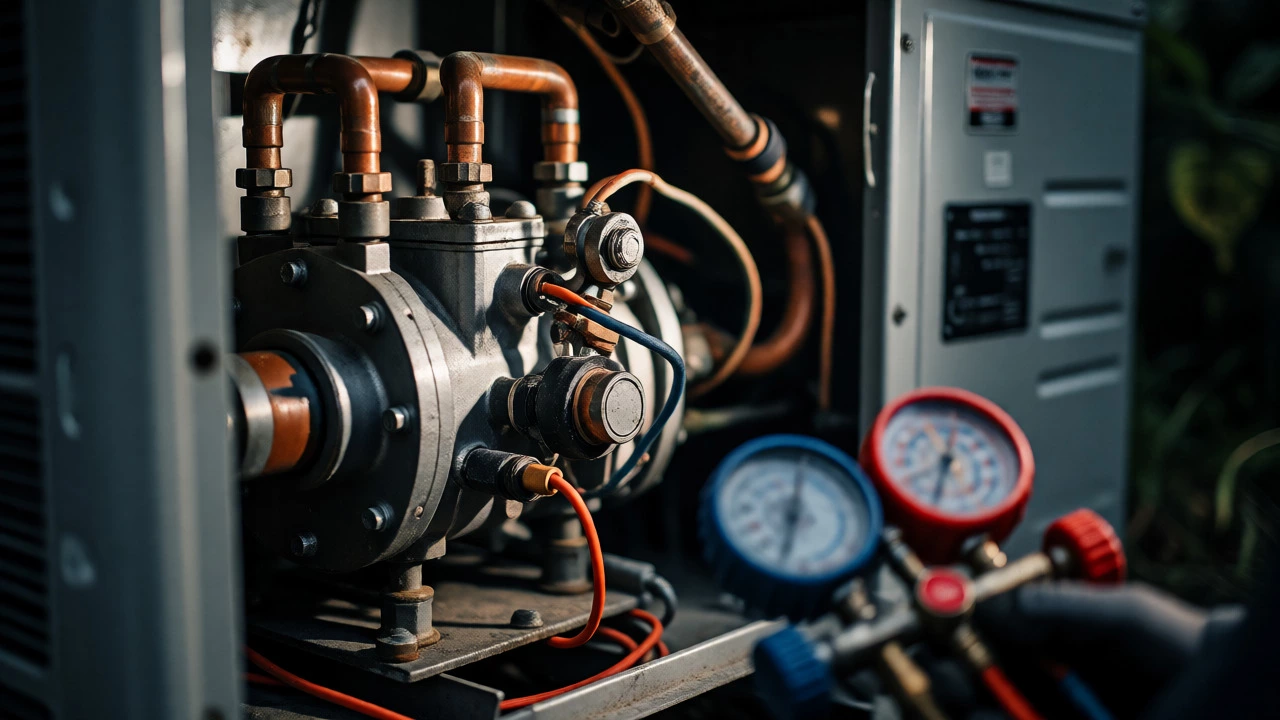
You hear a loud grinding noise coming from your outdoor unit, and the technician drops a number that makes you wince. Is it worth fixing? Or should you just buy a new system? This is the most common panic moment for homeowners with heat pumps. The compressor is often called the heart of the system because it circulates refrigerant, but when it fails, it’s rarely a simple part swap. In New Zealand, replacing a compressor can cost anywhere from $1,500 to $3,500 depending on the brand and complexity. But here’s the catch: sometimes the compressor isn’t actually dead; it’s just misdiagnosed.
Before you sign off on a quote, you need to understand what you’re paying for. You aren’t just buying a metal box; you’re paying for labor, refrigerant recovery, vacuuming the lines, and testing. If your unit is older than ten years, that money might be better spent on a new high-efficiency model. If it’s only five years old, a repair could extend its life by another decade. Let’s break down exactly where your money goes and how to spot a rip-off.
What Does a Heat Pump Compressor Actually Do?
To judge the value, you have to know the job. A compressor is an electric motor-driven device that raises the pressure and temperature of the refrigerant gas. It moves heat from one place to another. Without it, your heat pump is just a fancy fan blowing air around. There are three main types you’ll encounter in residential systems:
- Reciprocating (Piston): Older, louder, and generally cheaper to replace. Common in units pre-2010.
- Scroll: The current standard. Quieter, more efficient, and uses fewer moving parts. Most modern split systems use these.
- Inverter (Variable Speed): These adjust their speed rather than turning on and off. They save energy but are significantly more expensive to fix if the electronic board or motor fails.
The type matters because scroll compressors are sealed units. You can’t open them up and fix a bearing like you might with an old car engine. If it fails, it gets replaced. Period.
Breaking Down the Price Tag
When a technician gives you a quote, they aren’t just guessing. They are calculating parts, labor, and hazardous waste disposal. Here is a realistic breakdown of costs in the NZ market as of late 2026.
| Cost Component | Low End ($) | High End ($) | Notes |
|---|---|---|---|
| Compressor Unit Only | $800 | $2,200 | Depends on BTU rating and brand (Mitsubishi vs. generic). |
| Labor & Diagnosis | $300 | $600 | Includes evacuation, charging, and testing. |
| Refrigerant Top-up | $150 | $400 | R410A or R32 gas prices fluctuate. |
| Total Estimated Job | $1,250 | $3,200 | Excludes electrical repairs if wiring is burnt. |
Notice the wide range. Why does a Mitsubishi Electric compressor cost double what a generic Chinese-brand compressor costs? Reliability and warranty support. Mitsubishi offers a 5-year warranty on many parts, while budget brands often offer 1 year or none. When you pay extra for the brand, you’re paying for peace of mind. However, if your unit is already out of warranty, does that premium still make sense? Often, no.
Is It Worth Fixing? The 50% Rule
This is the hardest decision. Use this simple heuristic: If the repair cost exceeds 50% of the price of a new unit, replace the whole system.
Let’s say your heat pump cost $3,000 new five years ago. A new comparable unit now costs $3,500 due to inflation and tech upgrades. The compressor quote comes in at $1,800. That’s over 50%. You should likely replace the unit. Why? Because if the compressor died from wear and tear, other components like the fan motor, capacitors, or control boards are also nearing the end of their lives. You might spend $1,800 today, only to spend another $500 next month when the fan seizes up.
Conversely, if your unit is only 4-6 years old and was well-maintained, a $1,500 repair on a $4,000 unit is a bargain. It buys you several more years of service without the disruption of installation.
Common Causes of Compressor Failure
Compressors don’t usually die of old age. They die from neglect or incorrect installation. Understanding the cause helps you avoid repeating the mistake.
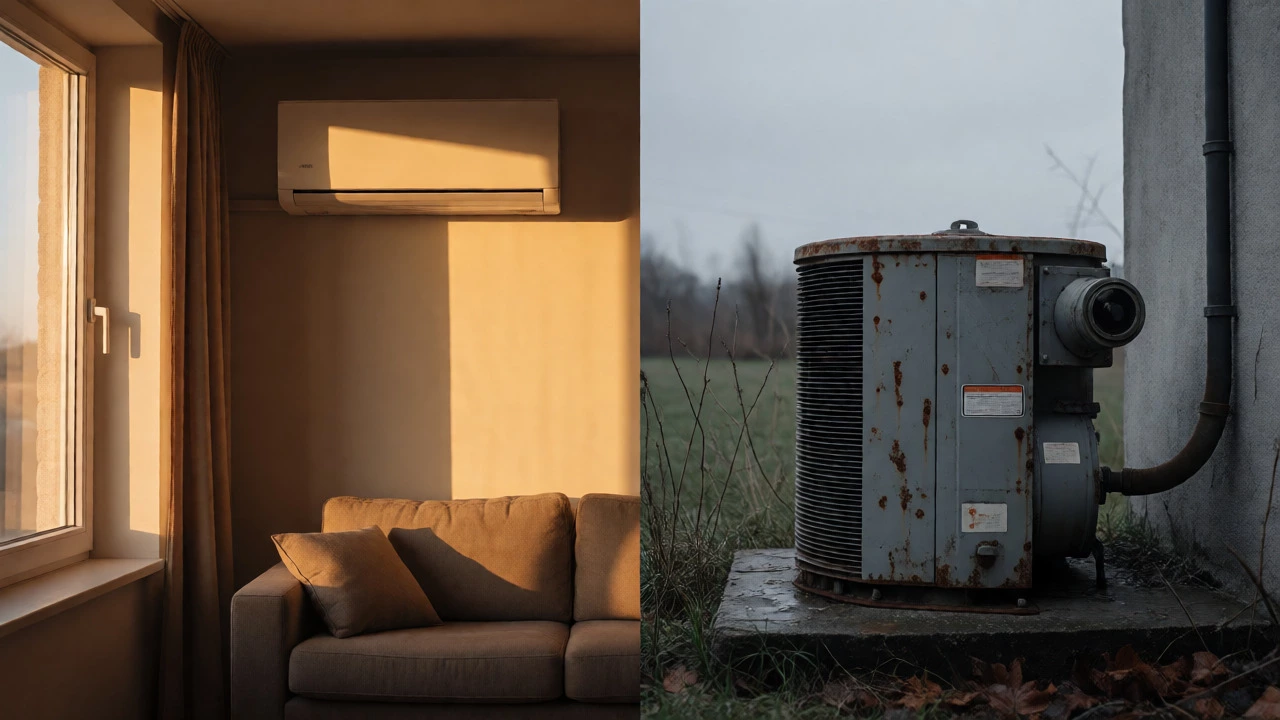
Lack of Maintenance: Dirty filters and coils force the system to work harder. Over time, this overheats the compressor windings. In Wellington, coastal salt air can corrode the fins, reducing efficiency and causing the compressor to run longer cycles. Cleaning your outdoor unit twice a year can prevent this.
Electrical Surges: Lightning strikes or grid fluctuations can fry the start capacitor or the compressor motor itself. If you live in an area with unstable power, consider installing a surge protector dedicated to your heat pump circuit.
Refrigerant Leaks: If the system runs low on gas, the compressor doesn’t get cooled by the returning refrigerant vapor. It overheats and locks up. This is why technicians always check for leaks before condemning a compressor. If they don’t leak test, walk away.
Red Flags When Getting a Quote
Not all technicians are honest. Some see a dying compressor as a cash cow. Watch out for these warning signs:
- No Leak Test: If they say “the compressor is dead” without checking pressures or looking for oil stains (signs of a leak), they are guessing.
- Fixed Price Without Inspection: A compressor replacement requires pulling the lines, removing the unit, and welding/brazing. It’s complex. A quote given over the phone is rarely accurate.
- Ignoring the Warranty: Ask if the new compressor comes with a warranty. Reputable suppliers provide 1-3 years on the part. If they won’t guarantee their work, why risk it?
- Pushing Full Replacement Immediately: While replacement is often the right choice, a good tech will explain why. If they dismiss repair options without calculation, they may be prioritizing their commission on new installs.
DIY vs. Professional Installation
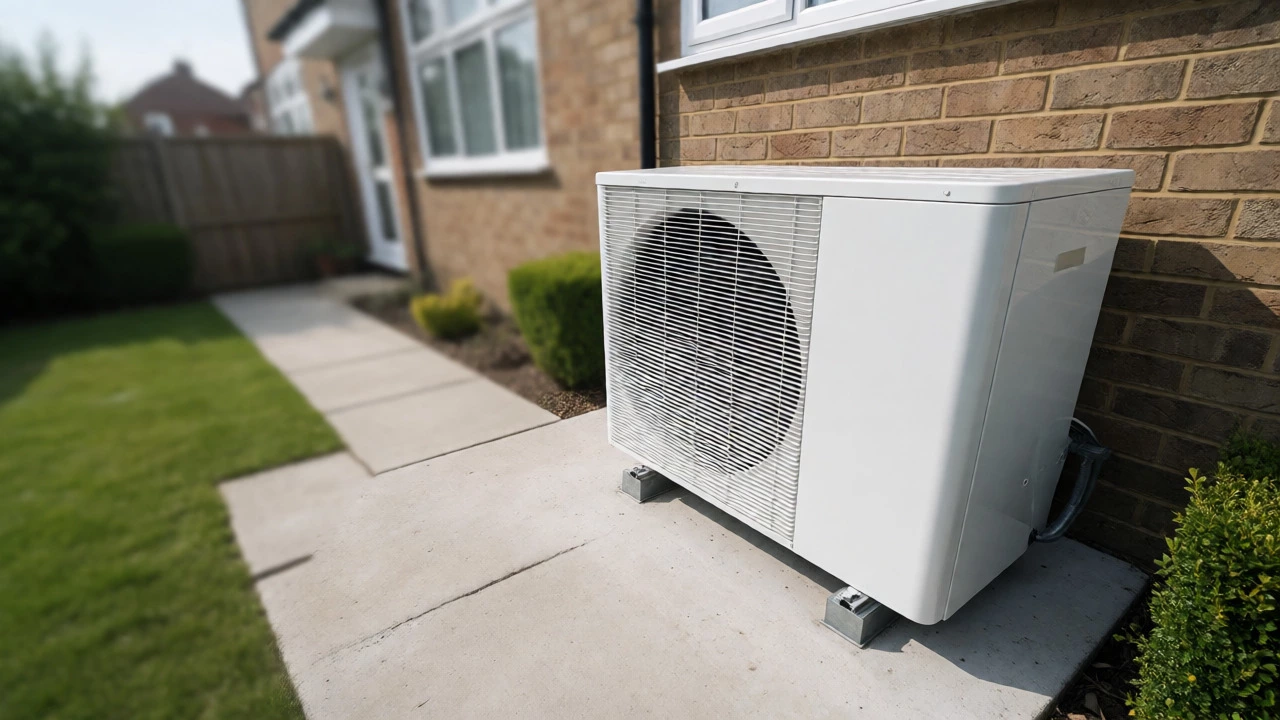
Can you save money by doing it yourself? Technically, yes. The compressor unit itself can be bought online for less than retail. But here is the reality: handling refrigerant requires EPA certification (or local equivalent) and specialized tools like a vacuum pump, manifold gauges, and brazing torches. Improper evacuation leaves moisture in the lines, which freezes and destroys the new compressor within months. For most homeowners, the risk outweighs the savings. Hire a licensed gasfitter or HVAC specialist.
How to Extend Your Compressor’s Life
Once you’ve repaired or replaced your system, keep that compressor happy. It’s the most expensive part to lose.
- Clean the Outdoor Unit: Keep leaves, dirt, and spider webs off the condenser coil. Use a garden hose gently from the inside out if possible.
- Check Filters Monthly: Restricted airflow causes freezing and strain.
- Avoid Short Cycling: Don’t set the thermostat too close to the ambient temperature. Let the system run long enough to complete a full cycle.
- Annual Service: Have a pro check the refrigerant levels and electrical connections once a year.
How long do heat pump compressors last?
With proper maintenance, a high-quality compressor should last between 10 and 15 years. Budget models may fail sooner, around 7-8 years, especially if installed in harsh coastal environments without regular cleaning.
Can I replace just the compressor myself?
While physically possible for skilled DIYers, it is not recommended. Replacing a compressor requires recovering refrigerant, brazing copper pipes, vacuuming the system to remove moisture, and recharging with precise amounts of gas. Mistakes here can destroy the new part immediately.
Why is my compressor making a humming noise but not starting?
This is often caused by a failed start capacitor or a stuck rotor. It does not necessarily mean the compressor is dead. A technician can test the capacitor first. If the capacitor is fine, the compressor motor may be seized, requiring replacement.
Is it cheaper to repair or replace a heat pump?
Use the 50% rule: if the repair cost is more than half the price of a new unit, replace it. Also, consider the age. If the unit is over 10 years old, replacement is almost always the better financial decision due to improved energy efficiency in newer models.
Does insurance cover heat pump compressor failure?
Home contents insurance typically covers sudden accidental damage (like storm damage or fire). It rarely covers mechanical breakdown or wear and tear. Check your policy specifically for "mechanical breakdown" coverage, which is uncommon in standard NZ home policies.
I am an expert in the services industry with a focus on appliance repair. My passion lies in understanding how things work and educating others in simple, engaging ways. This enthusiasm fuels my writing, where I delve into topics around appliance maintenance and troubleshooting. I aim to make these subjects clear and accessible to all readers.