Oven Replacement Complexity & Cost Estimator
Recommendation
Swapping out a broken electric oven is a common home upgrade, but the moment you unplug the old unit and stare at the exposed wires, the question hits hard: do you really need a professional? The short answer depends entirely on your setup. If you are replacing a standard plug-in model with another identical one, it’s often a straightforward job. However, if you are dealing with a hardwired connection, changing voltage, or moving the appliance location, the risks escalate quickly.
In New Zealand, household electricity runs at 230-240 volts. This is significantly higher than the 110-120 volts found in North America, meaning mistakes here can be more dangerous. Understanding the difference between a simple swap and a complex rewiring project will save you from costly errors and potential hazards.
Quick Summary / Key Takeaways
- Plug-in ovens: Usually safe for DIY if the new oven uses the same plug type and amperage as the old one.
- Hardwired ovens: Strongly recommend hiring a licensed electrician, especially if you are not comfortable working with live circuits.
- Voltage changes: Always require an electrician if switching from single-phase to three-phase power or vice versa.
- Safety first: Always isolate power at the main switchboard before starting any work.
- Warranty implications: Some manufacturers may void warranties if installation isn’t done by a certified pro.
Identifying Your Oven’s Connection Type
The first step is determining how your current oven connects to the house supply. Look behind the existing appliance. Do you see a heavy-duty plug attached to the cord that goes into a wall socket? Or does the wire terminate directly into a junction box or terminal block inside the cabinet? If it’s a a heavy-duty plug attached to the oven's power cord that inserts into a dedicated wall socket, you have a plug-in system. These are typically rated for 15A or 30A. If it’s hardwired, the cables connect directly to the building’s wiring without a detachable plug. Hardwired installations are common in built-in ovens where space is tight, or in older homes where retrofitted sockets weren’t installed. Check the label on the back of your oven. It will specify the required voltage (usually 230V or 400V) and the amperage draw. If the new oven requires the exact same specs as the old one, the process is much simpler. If the new model demands more power-say, upgrading from a 15A to a 30A circuit-you’re looking at a more complex job involving thicker cables and potentially a new breaker.
When You Can Handle It Yourself
You might be able to replace a plug-in electric oven yourself if you meet these criteria:
- The new oven has the same plug type (e.g., both use a 3-pin 30A plug).
- The new oven draws the same or less current than the old one.
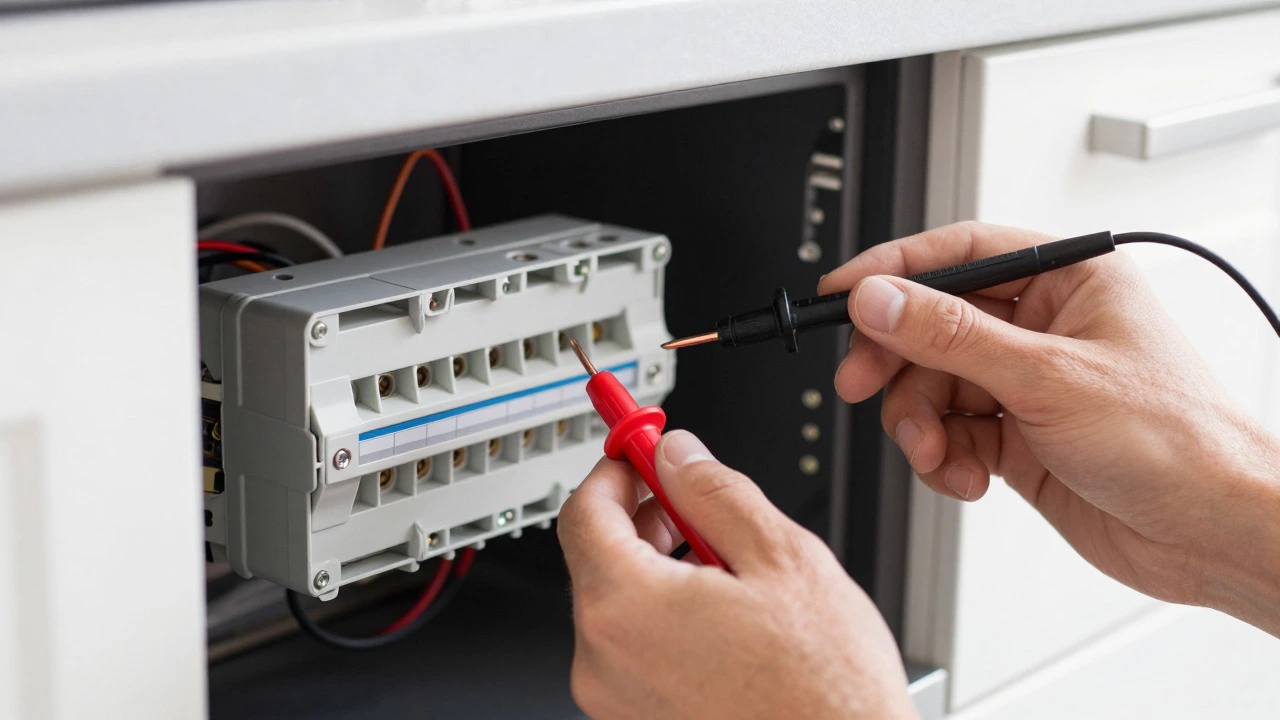
- You are comfortable using a multimeter to verify power is off.
- The physical dimensions fit the existing cutout in your cabinetry.
When You Must Call an Electrician
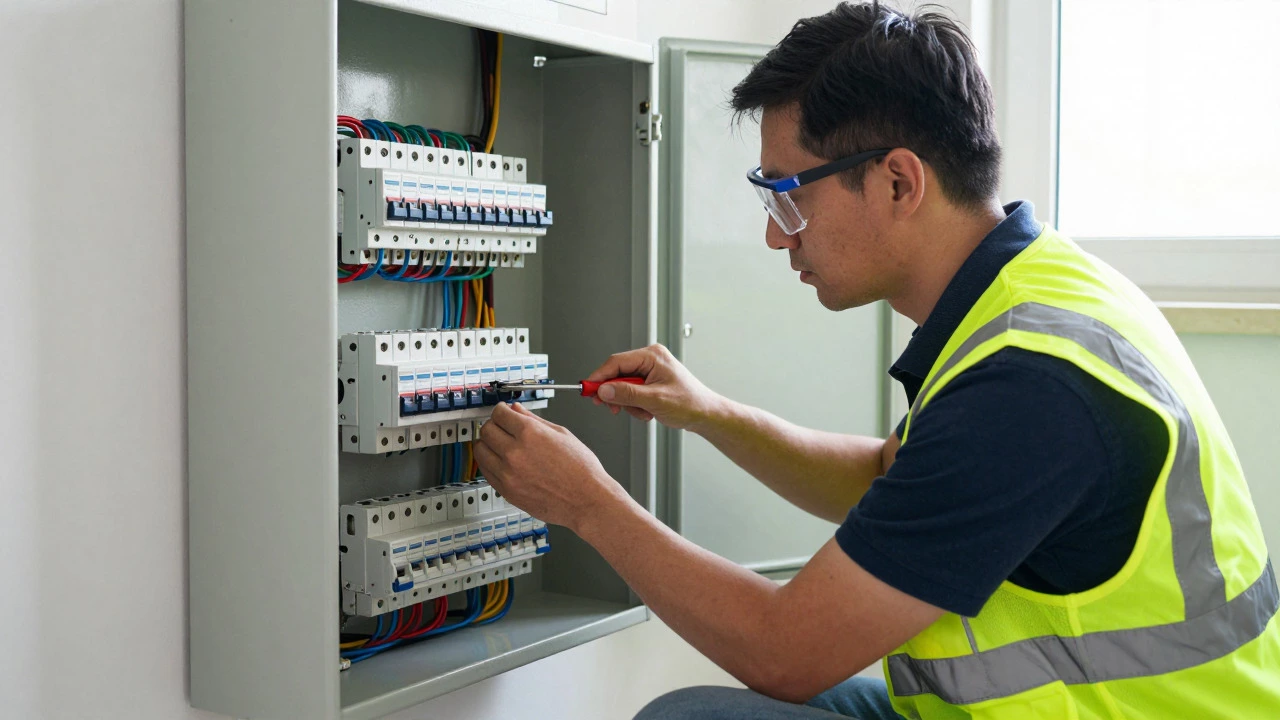
There are several scenarios where DIY becomes risky or non-compliant with local standards. In New Zealand, while minor repairs are allowed, significant alterations to fixed wiring should be handled by a registered electrician to ensure compliance with AS/NZS 3000 (the Wiring Rules). Consider hiring a professional if:
- Moving the oven: Relocating the appliance means running new cable through walls or floors. This requires calculating voltage drop and selecting the correct cable size.
- Changing voltage: Switching from a single-phase 230V supply to a three-phase 400V supply (or vice versa) requires different wiring configurations and a new breaker.
- Upgrading capacity: If the new oven requires a higher amperage than the existing circuit supports, the entire run from the main board to the oven may need upgrading.
- Old wiring: If your home has aging rubber-sheathed cables or aluminum wiring, an electrician can assess whether the infrastructure can handle the load safely.
Understanding Electrical Safety Standards
New Zealand follows strict electrical safety guidelines. The primary standard governing residential wiring is AS/NZS 3000. This document dictates everything from cable sizing to breaker ratings. For example, a 30A circuit for an oven typically requires 6mm² copper cable. Using a thinner cable, like 4mm², might work initially but can overheat under sustained load, posing a fire risk. Additionally, the a regulatory framework in New Zealand that sets standards for electrical installations in buildings ensures that all work meets safety benchmarks. If you hire an electrician, they should provide a Certificate of Compliance (COC) upon completion. This document confirms the work was done correctly and is often required when selling your home or making insurance claims. If you do the work yourself, keeping records of parts used and photos of the connections is wise, though it doesn’t legally replace a COC for major works.
Comparison: DIY vs. Professional Installation
| Factor | DIY Replacement | Professional Electrician |
|---|---|---|
| Cost | $0 (labor) | $150 - $300+ (labor) |
| Time Required | 1-2 hours | 2-4 hours |
| Risk Level | Low (if plug-in/same spec) | Very Low |
| Compliance | No COC issued | Certificate of Compliance provided |
| Best For | Like-for-like plug swaps | Hardwired, relocation, upgrades |
Step-by-Step Guide for Safe Replacement
Whether you choose DIY or hire help, following a logical sequence prevents accidents. Here is the general workflow:
- Isolate Power: Turn off the specific breaker for the oven at the main switchboard. Verify with a multimeter at the socket or terminal block that there is no voltage present.
- Disconnect Old Unit: Remove the oven from the cabinetry. Disconnect the plug or loosen the terminal screws. Label wires if hardwired to avoid confusion during reconnection.
- Inspect Connections: Check for signs of heat discoloration, burnt insulation, or loose terminals. If found, address these issues before installing the new oven.
- Install New Oven: Position the new oven in place. Connect the power source. Tighten terminals firmly but don’t overtighten, which can strip threads or damage wires.
- Test Functionality: Restore power. Run a quick test cycle (bake mode for 10 minutes) to ensure heating elements work and the fan spins freely.
Frequently Asked Questions
Can I replace a hardwired oven myself?
Technically yes, but it is risky. Hardwired connections involve direct access to live conductors without the protection of a plug. If you are not confident in identifying live, neutral, and earth wires, or in securing terminal blocks correctly, call an electrician. Mistakes here can lead to shocks or short circuits.
What happens if I use the wrong amperage fuse?
Using a fuse with a lower rating than required will cause frequent blowouts when the oven heats up. Using a higher rating removes protection, meaning if a fault occurs, the cable could overheat and catch fire before the breaker trips. Always match the fuse rating to the oven’s specified requirement and the circuit’s capability.
Do I need a permit to replace an oven in New Zealand?
Generally, no building permit is needed for like-for-like replacements. However, if you are altering the structure of the kitchen (e.g., removing a wall) or significantly changing the electrical layout, local council rules may apply. For purely electrical swaps, compliance with AS/NZS 3000 is the main concern, usually verified by an electrician’s certificate rather than a council permit.
How much does it cost to hire an electrician for oven replacement?
In Wellington, rates vary, but expect to pay between $150 and $300 for labor on a standard swap. Complex jobs involving new cabling or circuit upgrades can range from $400 to $800+. Always request a written quote that includes parts and labor to avoid surprises.
Is it safe to leave the oven plugged in while unpacking?
Yes, as long as the plug is seated securely in the socket and the circuit is protected by a functioning breaker. However, it is best practice to keep the power off until you are ready to install and test the unit. This minimizes the window of exposure to live components.
I am an expert in the services industry with a focus on appliance repair. My passion lies in understanding how things work and educating others in simple, engaging ways. This enthusiasm fuels my writing, where I delve into topics around appliance maintenance and troubleshooting. I aim to make these subjects clear and accessible to all readers.