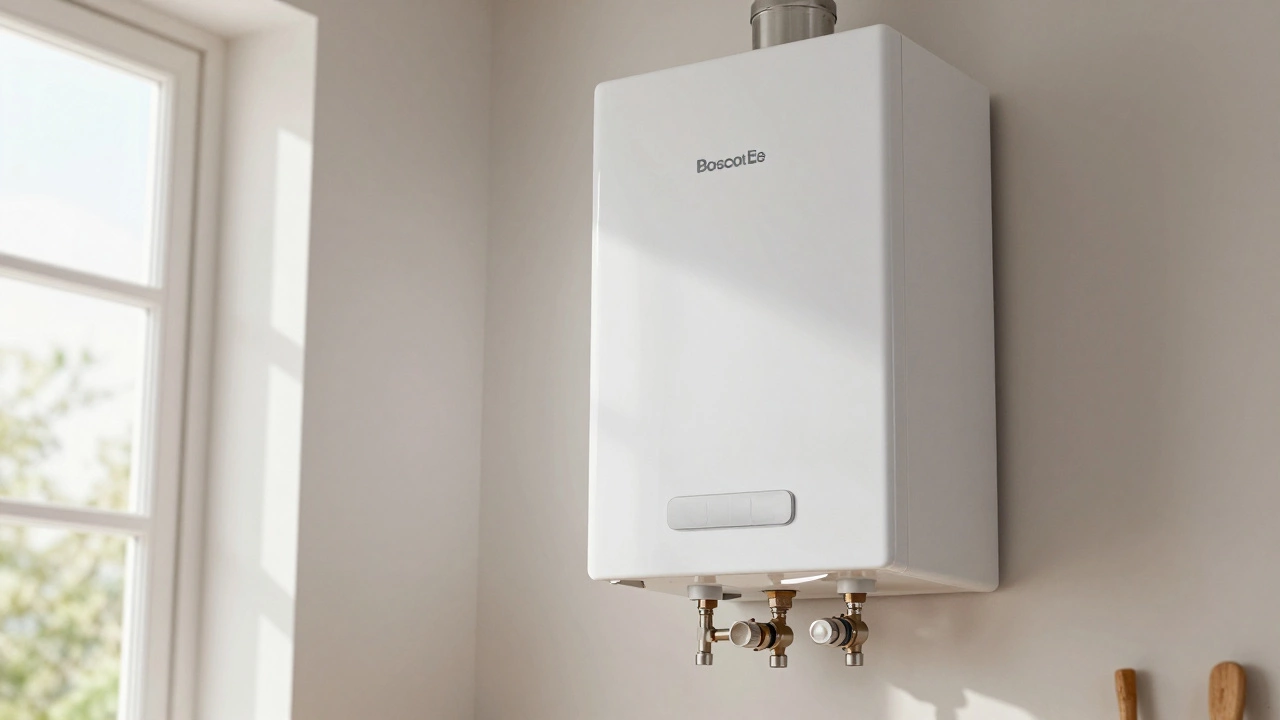
Boiler Service Cost Estimator 2026
Estimated Service Price
*Estimates are based on 2026 average market rates. Actual quotes may vary.
ℹ Pro Tip:
Always ensure your engineer is Gas Safe Registered. A cheaper quote from an unregistered engineer can void your insurance and compromise home safety.
Quick Price Guide: What to Expect
| Service Type | Estimated Cost | Frequency | Key Focus |
|---|---|---|---|
| Standard Combi Boiler | £80 - £130 | Annual | Flame check, pressure test, flue inspection |
| System/Conventional Boiler | £100 - £170 | Annual | Tank checks, pump inspection, scale removal |
| Full System Flush (Powerflush) | £300 - £600 | Every 5-10 years | Removing sludge and debris from radiators |
| Emergency Repair Call-out | £100 - £250+ | As needed | Immediate fault diagnosis and part replacement |
Why the Price Varies So Much
Why does your neighbor pay less than you for the exact same service? First, let's talk about the type of boiler. A Combi Boiler (combination boiler) is a compact unit that provides both heating and hot water. Because it's one single unit, the service is straightforward. However, a conventional system boiler involves a separate hot water cylinder and a cold water tank. There are more pipes to check, more valves to test, and more room for things to go wrong, which naturally bumps up the price. Location plays a massive role too. If you live in a major city center, you're paying for the engineer's travel time and parking. A technician in a rural area might charge a higher call-out fee to cover the distance. Also, keep an eye on the timing. Booking a service in August is usually cheaper and easier than trying to find someone in December when everyone's boiler has suddenly decided to quit.What Actually Happens During a Service?
When you pay for a service, you aren't just paying for a guy to look at a gauge for ten minutes. A proper job involves a series of critical safety and efficiency checks. First, the engineer will check the Flue, which is the pipe that carries waste gases outside. If this is blocked or leaking, you risk carbon monoxide poisoning. Then they'll inspect the Heat Exchanger for soot or debris. A dirty heat exchanger makes your boiler work harder, which spikes your energy bills. They will also check the gas pressure and the flame quality. A blue flame is a healthy flame; a yellow or orange one suggests an incomplete burn, which is dangerous and inefficient. Finally, they'll check the water pressure and the pump to ensure your radiators are actually getting the heat they need. If they find a leak or a worn-out part, they'll tell you now, preventing a total system crash in mid-winter.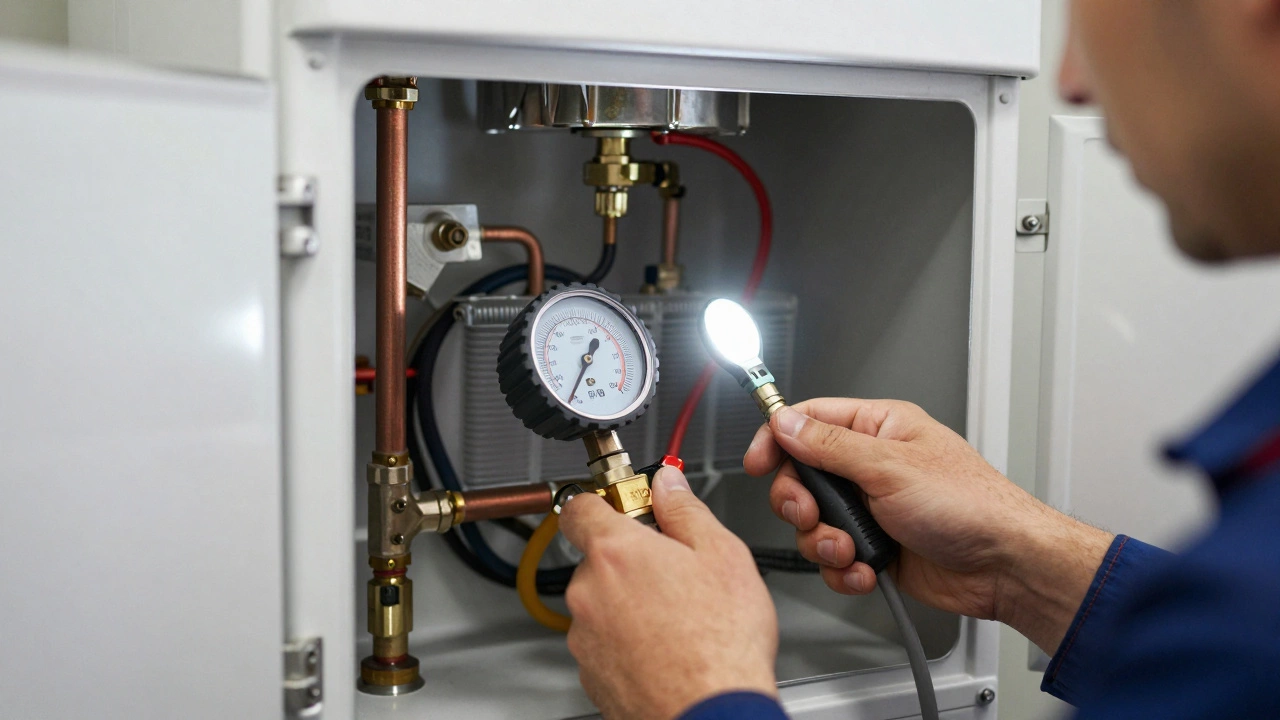
The Hidden Cost of Skipping Your Service
It's tempting to skip a year to save £100, but that's a gamble that rarely pays off. The biggest risk is your warranty. Most manufacturers, like Worcester Bosch or Vaillant, require annual servicing to keep the warranty active. If you miss a year and a major part fails, the manufacturer can refuse to cover the cost, leaving you with a bill for hundreds or even thousands of pounds. Then there's the efficiency drop. Over time, sludge (a mix of rust and dirt) builds up in your pipes. This forces the pump to work twice as hard to move water through the system. You'll notice that the bottom of your radiators stay cold while the top is hot. A service identifies this early. If you wait until the system is completely blocked, you'll need a Powerflush, which is a professional deep-clean of the entire heating circuit that costs significantly more than a standard service.How to Find a Fair Price and a Reliable Engineer
Don't just pick the first name on a flyer. To get a fair deal, ask for a fixed-price quote. Some companies offer "service plans" where you pay a small monthly fee (usually £5 to £15) in exchange for an annual service and priority call-outs. This is often a better deal if you're not great at remembering dates or don't have a rainy-day fund for emergencies. Always check for accreditation. In the UK, your engineer should be Gas Safe Registered. This isn't just a suggestion-it's a legal requirement. A "cheap" engineer who isn't registered is a massive liability. If they make a mistake, your insurance might not cover the damage, and more importantly, your family could be at risk.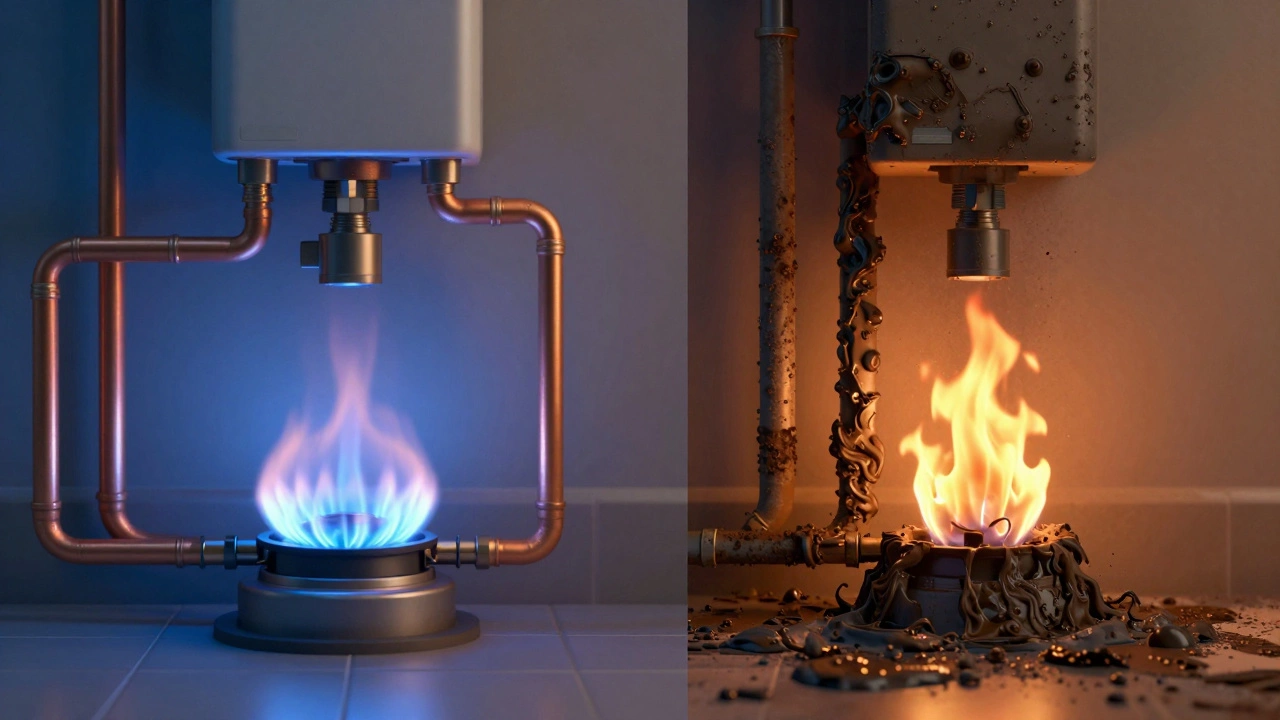
Service vs. Repair: Know the Difference
People often confuse a service with a repair. A service is like an oil change for your car; it's about maintenance. A repair is what happens when the car stops running. If your boiler is leaking water or showing an error code on the display, a standard service isn't what you need-you need a diagnostic visit. If an engineer finds a fault during a service, they will usually give you a quote to fix it. Be wary of "free" services that come with high-pressure sales tactics to replace your entire system. A good engineer will tell you if a part is worn out, but they won't tell you that your 3-year-old boiler is "on its last legs" just to make a sale.Do I really need a boiler service every year?
Yes. Beyond the safety aspect (detecting carbon monoxide leaks), annual servicing ensures your boiler runs at peak efficiency. This keeps your energy bills lower and prevents the buildup of sludge and limescale that can destroy your pump or heat exchanger over time. Plus, it's usually mandatory to keep your manufacturer's warranty valid.
Why is a system boiler service more expensive than a combi?
System boilers have a more complex setup, involving a separate hot water cylinder and often a cold water storage tank. The engineer has to check more components, ensure the cylinder is functioning correctly, and check for leaks across a wider range of piping, which takes more time and expertise.
Can I service my own boiler to save money?
Absolutely not. Working on a gas boiler is incredibly dangerous and, in many regions, illegal for non-certified individuals. Only a Gas Safe Registered engineer has the tools and training to test for gas leaks and carbon monoxide. Attempting a DIY service can lead to explosions, poisoning, or voiding your home insurance.
What should be included in a £100 service?
At this price point, you should expect a full safety check, including flue inspection, gas pressure testing, a check of the condensate pipe, and a visual inspection of all internal components. The engineer should also check the system pressure and provide you with a service record or certificate for your files.
What happens if the engineer finds a fault during the service?
The engineer will notify you of the issue and explain how it affects the boiler's performance or safety. They will typically provide a separate quote for the repair. You are not obligated to have the repair done immediately unless the boiler is deemed "At Risk" or "Immediately Dangerous," in which case they may shut off the gas for your safety.
I am an expert in the services industry with a focus on appliance repair. My passion lies in understanding how things work and educating others in simple, engaging ways. This enthusiasm fuels my writing, where I delve into topics around appliance maintenance and troubleshooting. I aim to make these subjects clear and accessible to all readers.