Boiler Replacement Cost & Decision Calculator
Current Boiler Details
New Boiler Options
Financial Breakdown
Estimated Total Replacement Cost:
Recommendation
Enter your details to see if you should repair or replace your boiler.
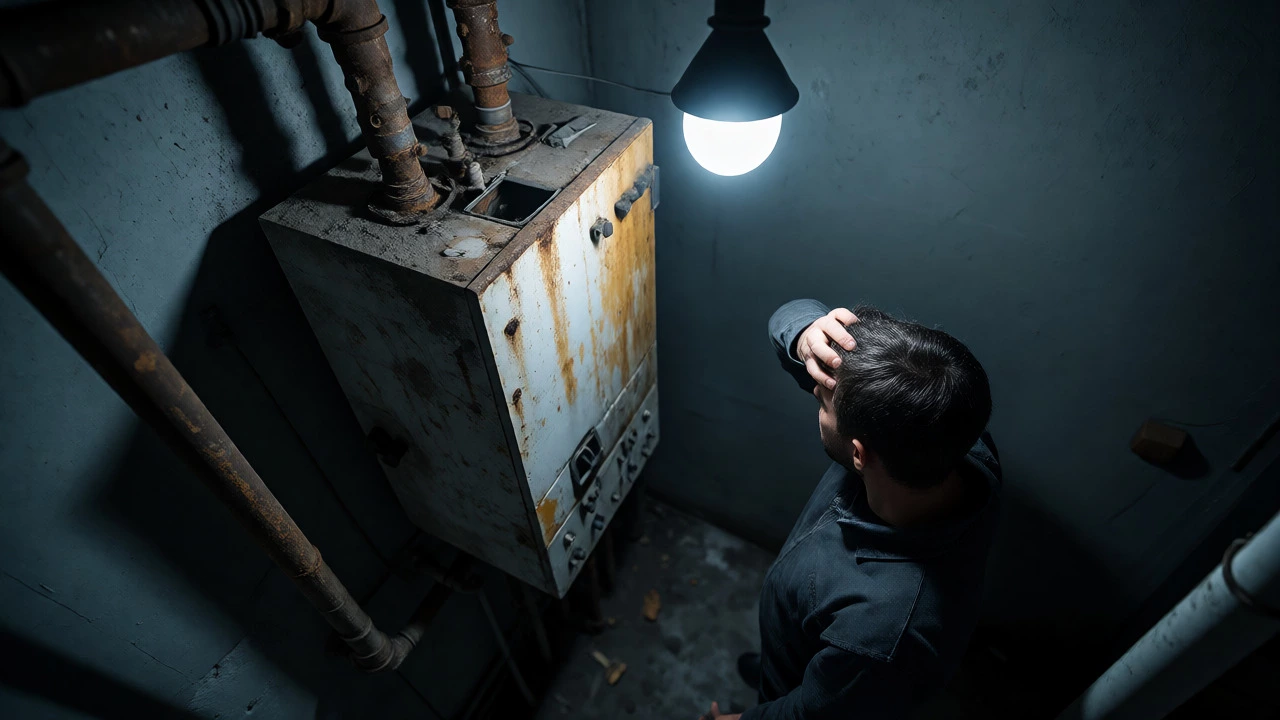
You’re staring at your boiler. It’s making that weird gurgling noise again, or maybe it just refused to fire up on a cold Tuesday morning. The plumber has looked at it, shaken their head, and dropped the bomb: "It’s time for a replacement." Your stomach drops. You know this isn’t a $150 fix. This is big money. But how big? And is it actually worth spending that kind of cash, or should you keep patching up an old machine?
The short answer is yes, replacing a boiler is expensive. We are talking thousands of dollars, not hundreds. But here is the twist most people miss: keeping a dying boiler can end up costing you more in wasted energy bills than the upfront hit of a new one. Let’s break down exactly what you’re paying for, why prices vary so wildly, and how to make sure you don’t get ripped off.
Key Takeaways
- Cost Range: Expect to pay between $3,500 and $8,000+ NZD for a full replacement, depending on type and complexity.
- Type Matters: Combi boilers are often cheaper to install than System or Regular boilers because they require less pipework and no hot water cylinder.
- Hidden Costs: Flue relocation, gas pipe upgrades, and asbestos removal can add significant costs to the quote.
- Efficiency Savings: Upgrading from an old G-rated boiler to a modern A-rated condensing model can cut heating bills by 20-30%.
- Lifespan: A well-maintained modern boiler lasts 15-20 years. If yours is over 15 years old, replacement is usually smarter than repair.
The Sticker Shock: What Does a New Boiler Actually Cost?
Let’s talk numbers. In New Zealand, where I live, and across many Western markets, the cost of a boiler replacement isn’t just about the box sitting in the cupboard under the stairs. It’s the unit, the labor, the parts, and the paperwork. For a standard domestic property, you are generally looking at three tiers of pricing.
A basic swap-for-swap replacement-where the new boiler goes in the exact same spot with minimal changes to pipework-usually lands between $3,500 and $4,500. This is the best-case scenario. You have a compatible location, good access, and existing pipes that meet current safety standards.
If you need to move the boiler to a different wall, or if you’re upgrading from an older non-condensing model to a high-efficiency condensing one, the price jumps. Why? Because condensing boilers need a condensate drain (a small plastic pipe) and a specific flue system. If your old setup doesn’t have these, the installer has to run new lines. This typically pushes the cost into the $5,000 to $6,500 range.
Then there are the complex jobs. Maybe you’re installing a System boiler that requires a separate hot water cylinder, or perhaps your home needs a complete heating overhaul with new radiators and thermostatic controls. These projects can easily exceed $7,000 or $8,000. The variability comes down to labor hours and material quality, not magic.
Why Do Prices Vary So Much?
You might get two quotes for the same job, and one is $1,200 higher than the other. Is the first guy cutting corners? Maybe. Or maybe he’s missing something crucial. Here is what drives the price tag up or down.
Boiler Type and Capacity
Not all boilers are created equal. A Combi boiler (combination boiler) heats water directly from the mains as you turn on the tap. It’s compact and doesn’t need a tank. These are popular because they save space and installation time. However, if you have a large family that takes multiple showers at once, a combi might struggle with water pressure, forcing you toward a System or Regular boiler. Those systems require storage tanks and cylinders, which means more parts, more labor, and more cost.
Capacity matters too. A 24kW boiler is fine for a flat with one bathroom. A 35kW monster is needed for a large house with multiple bathrooms. Bigger capacity equals bigger price tags. Don’t oversize your boiler just because it feels safer; oversized units cycle on and off frequently, wasting fuel and wearing out faster.
Installation Complexity
This is the hidden killer in quotes. If the new boiler fits exactly where the old one did, great. But often, regulations have changed since your original boiler was installed. Gas safe regulations require specific ventilation and flue positioning. If your flue exits through a window and the new rules say it must be 300mm away from an opening, the installer has to relocate the flue. That’s extra drilling, extra casing, and extra labor.
Access is another factor. If your boiler is in a tight attic space or behind a locked gate, the engineer spends more time maneuvering heavy equipment. Labor is billed by the hour, so awkward spaces cost you money.
Brand and Warranty
You’ve got brands like Vaillant, Worcester Bosch, and Rinnai. Premium brands charge more for the unit, but they often come with longer warranties (up to 10 years) and better reliability records. Budget brands might save you $300 on the hardware but could leave you with a shorter 2-year warranty and fewer spare parts available locally. When calculating long-term value, the warranty length is a critical attribute.
Repair vs. Replace: The Break-Even Point
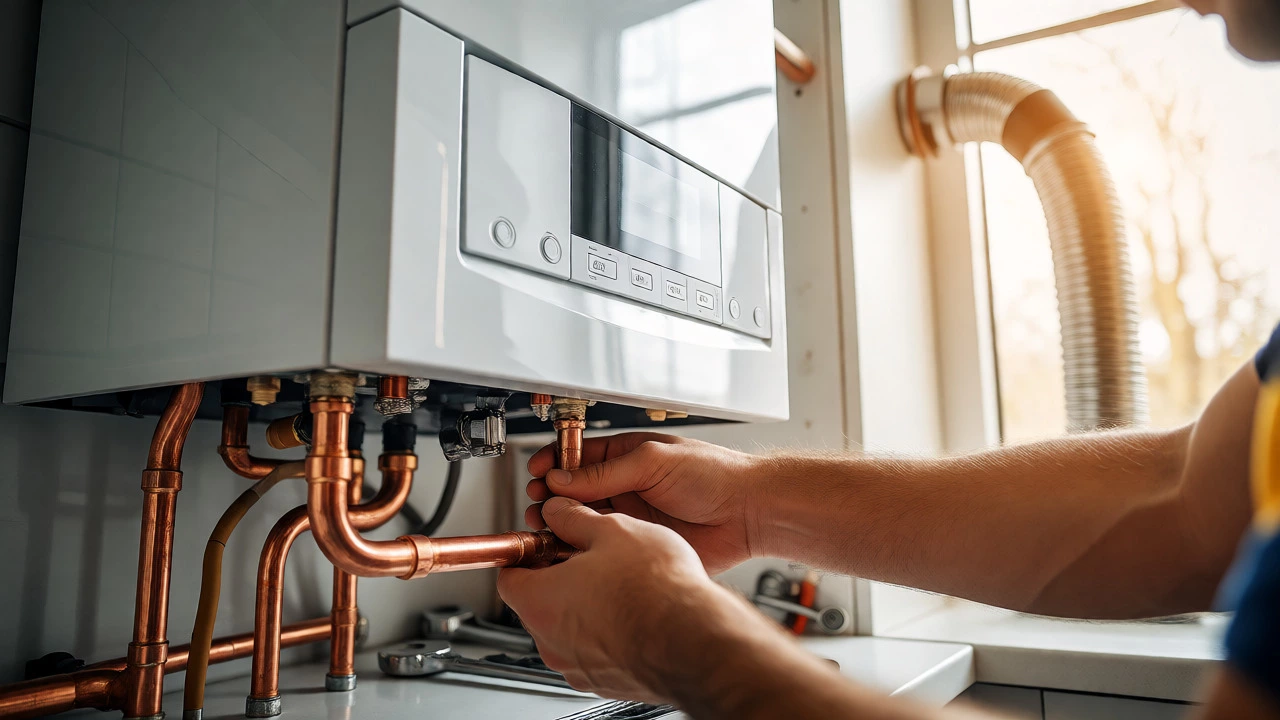
So, when do you actually pull the trigger? There is a rule of thumb I use when advising homeowners. If the repair cost exceeds 50% of the replacement cost, replace it. If the repair is minor ($200) and the boiler is only 5 years old, repair it. But if the repair is $800 and the boiler is 15 years old, you are throwing good money after bad.
Consider efficiency. Old boilers operate at 60-70% efficiency. Modern condensing boilers hit 90%+. If you spend $2,000 a year on heating, an inefficient boiler is burning $600-$800 of that into the atmosphere via the flue. A new boiler recovers much of that heat. Over a 10-year lifespan, the energy savings alone can offset a significant portion of the installation cost.
| Boiler Type | Best For | Estimated Cost (NZD) | Complexity |
|---|---|---|---|
| Combi | Small homes, apartments | $3,500 - $5,000 | Low |
| System | Medium homes, multiple bathrooms | $4,500 - $6,500 | Medium |
| Regular (Heat Only) | Large homes, low water pressure | $5,000 - $7,500+ | High |
Hidden Costs You Need to Watch Out For
The quote says "$4,200." Then the bill arrives at "$5,100." What happened? Hidden extras. Always ask for an itemized quote before signing.
- Flue Relocation: Moving the exhaust pipe outside can cost $200-$500 depending on distance and materials.
- Gas Pipe Upgrade: Older iron pipes might need replacing with flexible copper or stainless steel to meet current codes. This can add $300-$800.
- Asbestos Removal: If your home was built before the 1990s, the lagging around old pipes might contain asbestos. Safe removal is mandatory and costly.
- Magnetic Filter: Adding a magnetic filter protects your new boiler from sludge. It costs $200-$400 but extends the life of the unit significantly.
- Smart Thermostat: Pairing your new boiler with a smart control like Nest or Hive adds convenience and potential savings, but it’s an extra $200-$300.

How to Save Money Without Sacrificing Quality
You don’t have to pay top dollar for a mediocre job. Here is how to keep costs down.
First, get three quotes. Not two. Three. Compare them line by line. If one is significantly lower, ask why. Are they using a lesser brand? Are they skipping the power flush? A power flush cleans your radiators and pipes of sludge. Installing a new boiler on dirty pipes will kill the new unit within a few years. Never skip the power flush if your heating system is old.
Second, consider timing. Installers are busiest in autumn and winter. Booking your replacement in spring or summer can sometimes secure a better rate because demand is lower. It’s counter-intuitive to think about heating in January, but it saves money.
Third, check for government grants or rebates. Depending on your region, there may be incentives for switching to high-efficiency models or renewable hybrids. Even a $500 rebate makes a dent in the total cost.
Is It Worth It? The Long-Term View
Replacing a boiler is a major capital expense. But look at it as an investment in comfort and asset value. A broken boiler in winter can freeze pipes, leading to burst plumbing disasters that cost tens of thousands. A reliable, efficient boiler provides peace of mind.
Moreover, if you plan to sell your home soon, a new boiler is a selling point. Buyers hate inheriting old appliances. Showing a 2026-installed boiler with a 10-year warranty transfers liability and adds perceived value to the property.
Ultimately, the question isn’t just "are boilers expensive to replace?" Yes, they are. But compared to the rising cost of energy, the risk of catastrophic failure, and the discomfort of cold showers, the expense is justified. Just ensure you hire a certified professional who prioritizes correct sizing and clean installation over speed.
How long does it take to replace a boiler?
A straightforward like-for-like replacement typically takes 4 to 8 hours. If you are changing the boiler type (e.g., from Regular to Combi) or relocating the unit, expect the job to take 1 to 2 days. This includes draining the system, removing the old unit, installing the new one, connecting gas and water, and testing.
Can I replace my boiler myself?
No. In most jurisdictions, including New Zealand, working on gas appliances requires a licensed gasfitter. DIY attempts can void insurance, violate building codes, and create dangerous carbon monoxide leaks. Always hire a certified professional.
What size boiler do I need?
Size depends on the number of radiators and bathrooms. As a rough guide, a small flat needs 24-28kW, a medium house needs 28-35kW, and a large house needs 35-42kW. An installer should perform a heat loss calculation to determine the exact size, ensuring you don't overspend on capacity you don't need.
Do new boilers save money on bills?
Yes, significantly. Replacing an old G-rated boiler with a modern A-rated condensing boiler can reduce heating bills by 20% to 30%. While the upfront cost is high, the annual savings on energy can help recoup the investment over several years.
How long do modern boilers last?
With regular servicing (once a year), a high-quality modern boiler can last 15 to 20 years. Cheaper models may fail sooner, around 10-12 years. Maintenance is key to longevity; neglect leads to component failure and reduced efficiency.
I am an expert in the services industry with a focus on appliance repair. My passion lies in understanding how things work and educating others in simple, engaging ways. This enthusiasm fuels my writing, where I delve into topics around appliance maintenance and troubleshooting. I aim to make these subjects clear and accessible to all readers.