May 2025 Appliance Repair Archive – Your Quick Guide to This Month’s Tips
Welcome to the May roundup! This month we tackled everything from a 7‑year‑old fridge freezer to the mystery behind a stubborn boiler reset button. Whether you’re looking to save a few pounds on a repair or just want to understand why your water heater keeps coughing, you’ll find a short, straight‑to‑the‑point guide right here.
Top Appliance Fixes This Month
First up, the fridge freezer debate. We broke down when it makes sense to repair a unit that’s seen better days and when you’re just throwing good money after bad. The key takeaway? Check the energy rating, compare part costs to a new model’s price, and watch for signs like constant frost build‑up or a noisy compressor.
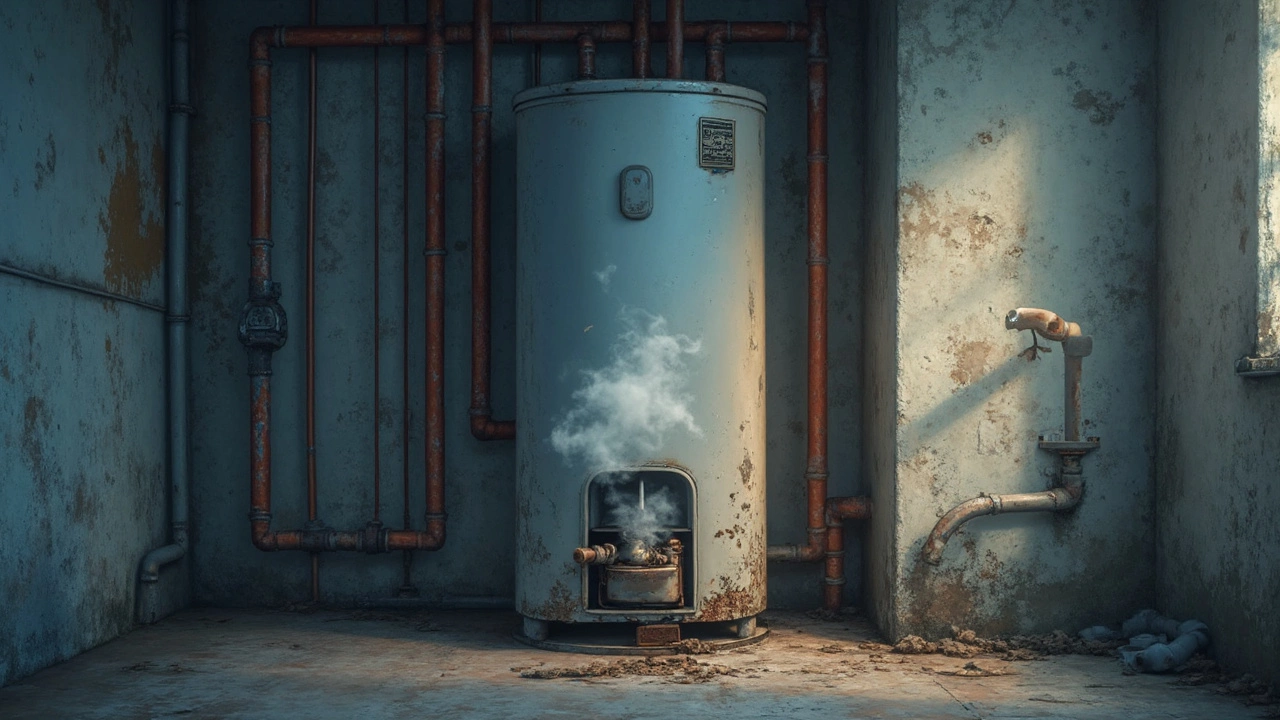
Hot water woes got a spotlight too. A sudden drop in temperature can be caused by a faulty thermostat, a broken heating element, or simply a tripped safety switch. We gave a step‑by‑step checklist: feel the tank, listen for unusual noises, and know the exact moment to call a pro before you end up with a cold shower every morning.
Extractor fans – love ‘em or hate ‘em – often get ignored until they stop working. Our guide clarified how long a typical repair takes. Simple blade cleaning can be done in under 15 minutes, while motor replacement usually runs about an hour. Knowing the likely time frame helps you plan your day and decide if you can DIY or need a technician.
What to Know Before You Call a Pro
Water heaters are notorious for early failure. We explained how mineral deposits, hard water, and lack of regular flushing chew away at the tank’s lifespan. A quick annual flush can add years to the unit and keep repair bills low. If you keep hitting the reset button, it’s usually a sign of a failing thermostat or a broken pressure valve – both require a professional hand.
Boiler questions were a big theme too. From “Can a plumber fix my boiler?” to “Why is replacing a boiler so messy?”, we gave clear answers. Plumbers can handle routine servicing, but a certified heating engineer is needed for gas work and major replacements. We also covered hidden costs of boiler swaps – permits, disposal fees, and the inevitable mess – so you can budget realistically.
Finally, we tackled DIY safety. While you can perform basic checks on ovens, fans, and even some boiler components, the line between simple and risky is thin. If a repair involves gas, electricity, or sealed systems, it’s best to leave it to the pros. Our safety checklist reminds you to turn off power, shut the water supply, and never attempt anything that feels beyond your skill level.
That’s the May snapshot in a nutshell. Each post is packed with practical steps, real‑world examples, and quick decision guides to help you avoid costly mistakes. Bookmark this page, use the tips when you need them, and feel confident that you’re making the right call – whether that’s a DIY fix or a professional visit.