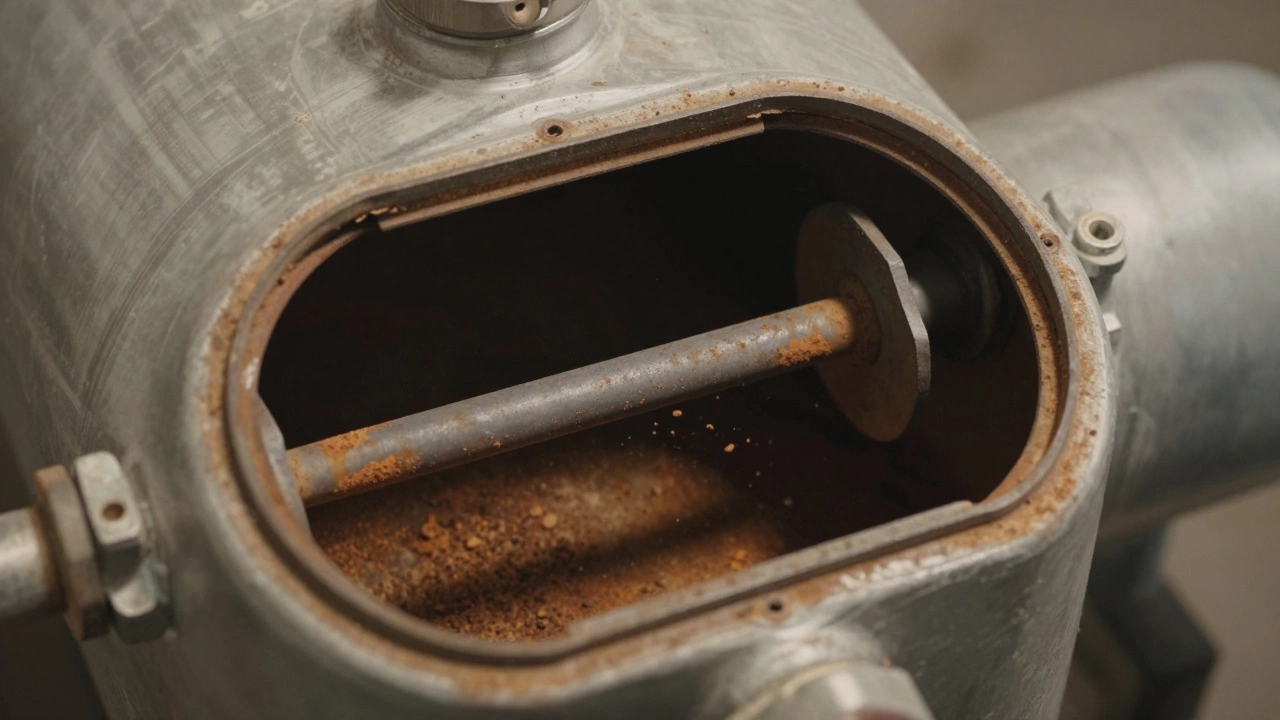
Most water heater failures are caused by a few common parts wearing out-like the anode rod, heating elements, or pressure valve. Learn what breaks most often and how to prevent costly replacements.
When your water heater, a household appliance that heats and stores water for showers, dishes, and laundry. Also known as a hot water tank, it’s one of the most taken-for-granted machines in your home—until it stops working. A sudden water heater breakdown doesn’t just mean cold showers. It can mean flooding, high bills, or even a complete system failure if ignored. Most water heaters last 10 to 15 years, but many fail much sooner because of simple issues like sediment buildup, faulty thermostats, or corroded tanks.
A leaking water heater, a common sign of internal corrosion or pressure problems is often the first red flag. You might notice puddles under the tank, rust stains on the sides, or a strange metallic smell in your hot water. These aren’t just inconveniences—they’re warnings. The water heater maintenance, routine tasks like flushing the tank and checking the anode rod that takes 30 minutes once a year can double your heater’s life. Skip it, and you’re gambling with your basement.
Not all breakdowns are dramatic. Sometimes it’s quieter—like running out of hot water faster than usual, hearing rumbling or popping noises from the tank, or seeing rusty water come out of your taps. These are all signs your heater is struggling. The water heater repair, fixes like replacing heating elements, thermostats, or pressure relief valves can often save you hundreds compared to a full replacement. But if your unit is over 10 years old and you’re fixing it for the third time, replacement is usually the smarter move.
What you do next matters. Don’t panic and rush to buy a new one. Check the breaker. Flush the tank. Reset the thermostat. Many water heater breakdowns are fixable with basic steps. And if you’re unsure, local experts in South Shields know exactly what’s wrong—no guesswork, no upsells. Below, you’ll find real-world guides on spotting early warning signs, how to flush your tank yourself, when to replace versus repair, and why some fixes cost less than you think. No fluff. Just what actually works.
Most water heater failures are caused by a few common parts wearing out-like the anode rod, heating elements, or pressure valve. Learn what breaks most often and how to prevent costly replacements.