Most water heater failures are caused by a few common parts wearing out-like the anode rod, heating elements, or pressure valve. Learn what breaks most often and how to prevent costly replacements.
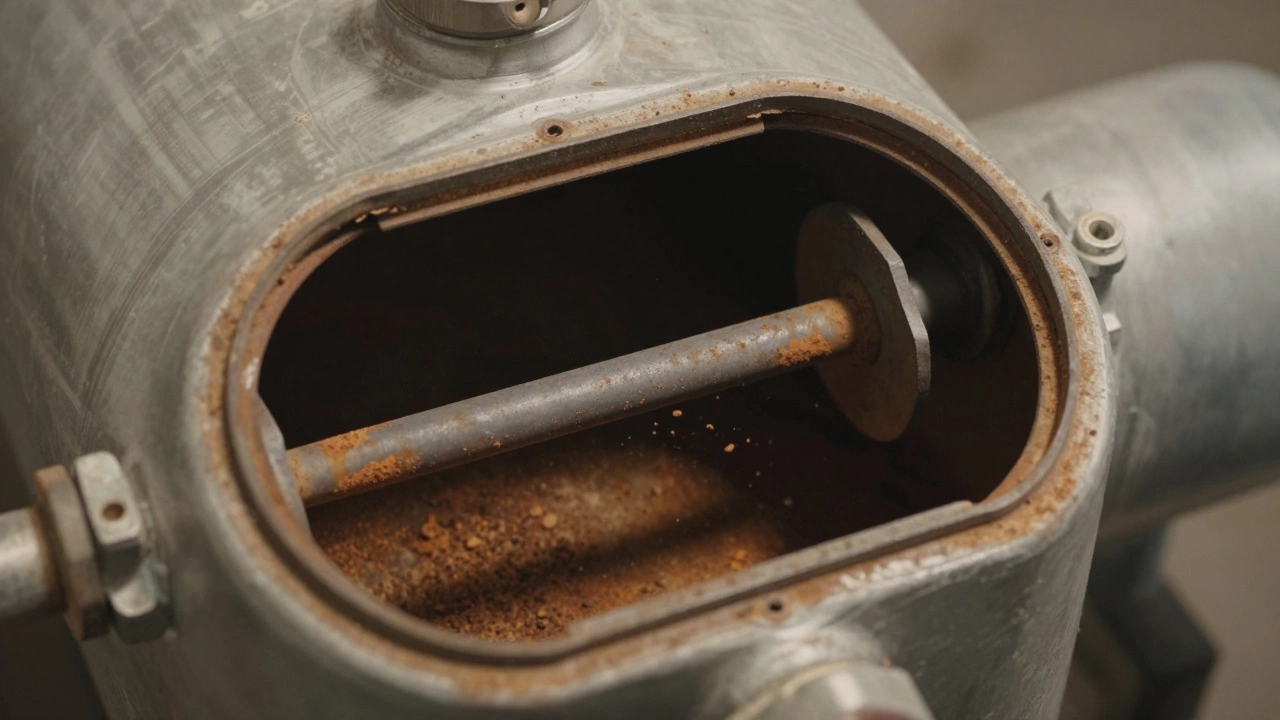
When your tank water heater, a common household system that stores and heats water for showers, dishes, and laundry. Also known as a storage water heater, it’s one of the most taken-for-granted appliances in your home—until it stops working. Then you realize how much you rely on it. Unlike modern tankless units, traditional tank water heaters hold 30 to 80 gallons of water, constantly heated and ready to go. But over time, sediment builds up, the lining rusts, and the heating elements wear out. These aren’t just minor annoyances—they’re warning signs your tank water heater is on its way out.
One of the clearest signals of trouble is rusty water, discolored hot water that looks brown or reddish, often caused by internal tank corrosion. If you’re seeing it from your taps, especially after the heater has been idle, that’s not just a stain—it’s a sign the tank’s glass lining has broken down. Another red flag is strange noises, loud popping, rumbling, or banging sounds that happen when the heater turns on. That’s sediment at the bottom of the tank boiling, which reduces efficiency and can crack the tank over time. Then there’s the obvious: leaking water heater, any visible moisture around the base or from the pressure relief valve. A small drip might seem harmless, but it often means the tank is corroding from the inside out. And if you’re running out of hot water faster than before, or the water never gets as hot as it used to, the heating element or thermostat is likely failing.
Age plays a big role too. Most tank water heaters last 8 to 12 years. If yours is over 10 and you’re noticing any of these issues, repair might only buy you a few more months. Replacing a failing unit before it bursts saves you from water damage, mold, and emergency repair bills. The good news? You don’t need to wait for a flood to act. Simple steps like flushing the tank once a year can extend its life, but once the tank itself is compromised, no amount of cleaning will fix it. Below, you’ll find real-world guides on diagnosing these problems, understanding when repair makes sense, and how to avoid the most common mistakes people make when their water heater starts acting up.
Most water heater failures are caused by a few common parts wearing out-like the anode rod, heating elements, or pressure valve. Learn what breaks most often and how to prevent costly replacements.