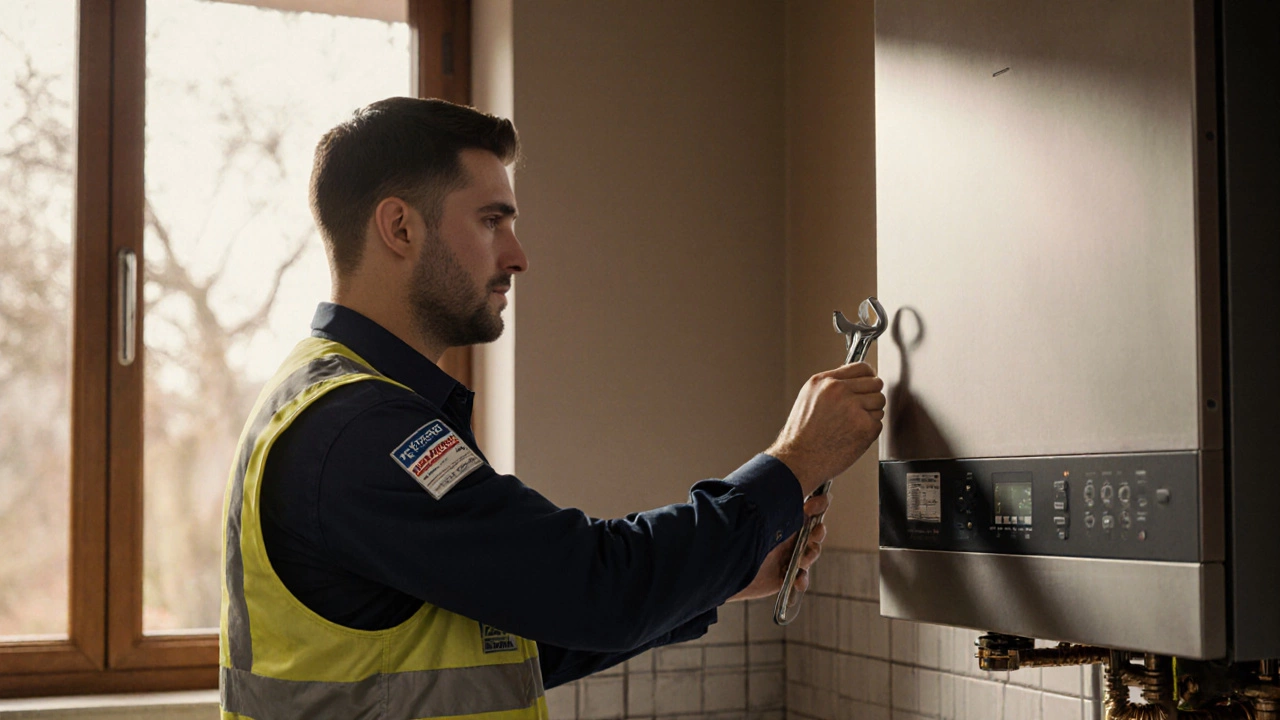
Find out when plumbers can service boilers, what tasks they cover, and when to call a heating engineer for safe, effective boiler repair.
When talking about Boiler Repair, the process of fixing faults in a home heating boiler. Also known as boiler servicing, it keeps the heat flowing and the water hot. Plumber, a tradesperson qualified to work on water‑based heating systems is the professional you call, and they often hold a Gas Safe Engineer, a certification confirming safe gas work licence. The whole Heating System, the network of pipes, radiators and the boiler itself depends on a properly executed repair to stay efficient and safe.
A plumber with a Gas Safe certificate is the only person legally allowed to intervene on gas‑fed boilers in the UK. This credential means they have passed rigorous tests on gas pressure, combustion safety, and leak detection. When they perform boiler repair, they follow strict codes that protect you from carbon monoxide risks and costly water damage. Their expertise also covers both traditional cast‑iron boilers and modern combi units, ensuring the right tools and parts are used for each job.
Boilers come in three main styles: combi, system, and regular (or conventional). A combi boiler heats water on demand, a system boiler stores hot water in a tank, and a regular boiler uses both a cylinder and a separate feed pump. Knowing which type you own helps the plumber pinpoint the likely failure points and order the correct replacement parts.
Common failure points include a cracked heat exchanger, a failing pump, or a faulty thermostat. A broken heat exchanger can cause leaks and reduced efficiency, while a pump that won’t circulate water leads to cold spots in radiators. Faulty thermostats often give false temperature readings, making the boiler think the house is warmer than it is. Diagnosing these issues usually starts with a visual inspection, followed by pressure tests and voltage checks using a multimeter.
Cost is a big concern for most homeowners. A simple leak repair might run under £150, but replacing a major component like a heat exchanger can exceed £500. The decision to repair or replace hinges on the boiler’s age, energy efficiency rating, and expected remaining lifespan. Newer models often qualify for government grants that offset installation costs, making replacement an appealing long‑term investment.
Regular maintenance is the cheapest way to avoid emergency repairs. An annual service usually takes 45‑90 minutes and includes checking the pressure, cleaning the burner, testing the safety valve, and flushing the system to remove sludge. Keeping the boiler clean and the pressure within the recommended range (typically 1‑1.5 bar when cold) prolongs its life by several years.
Safety signs that demand immediate attention are a sudden loss of heat, strange noises, or the appearance of water around the boiler. If you ever smell gas or notice the boiler’s flame turning yellow, shut it off and ventilate the area before calling a Gas Safe engineer. Acting quickly can prevent dangerous carbon monoxide buildup and costly water damage.
Below you’ll find a curated list of articles that dive deeper into each of these topics—from how to test a thermostat yourself to detailed cost breakdowns for different boiler types. Use them as a practical guide to decide when to call a professional, what to expect during a service, and how to keep your heating system running smoothly year after year.
Find out when plumbers can service boilers, what tasks they cover, and when to call a heating engineer for safe, effective boiler repair.