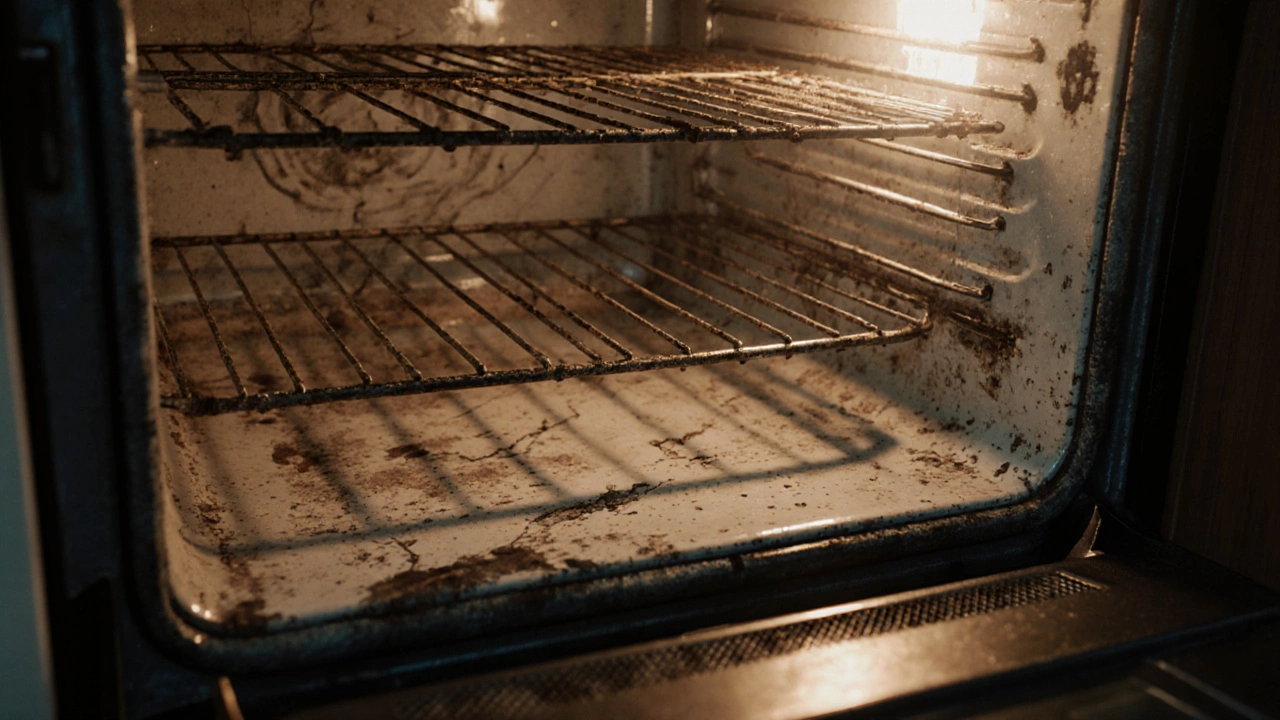
Most ovens last 13-15 years, but signs like uneven heating, slow preheating, or control panel failures mean it’s time to consider replacement. Learn when repair makes sense and what to look for in a new model.
When you buy a new oven, a key kitchen appliance used for baking, roasting, and broiling food. Also known as a cooker, it’s built to last—but not forever. Most ovens, whether electric or gas, last between 10 and 15 years with normal use. That’s not a guess—it’s what repair technicians in South Shields see every week. After that, parts start to wear out, efficiency drops, and repairs get expensive. You might think your oven will run forever, but the truth is, even the best models have a shelf life.
What affects how long your oven lasts? Usage matters. If you bake daily or use the self-clean cycle every month, you’re putting extra stress on the heating element, the coil inside the oven that generates heat. A worn-out element is one of the most common reasons ovens stop working properly. Then there’s the control board, the digital brain that manages temperature, timers, and settings. When it fails, your oven might not heat at all—or it might turn itself on randomly. Replacing a control board can cost half as much as a new oven, so knowing its lifespan helps you decide: fix it or replace it?
Don’t ignore warning signs. Slow heating, strange noises, or error codes aren’t just annoyances—they’re red flags. If your oven takes twice as long to preheat as it used to, or the door doesn’t seal right, heat escapes and the motor works harder. That wears out components faster. And if you’ve already paid for one or two repairs in the last two years, you’re probably in the tail end of its life. Most people don’t realize that a 12-year-old oven uses 20-30% more energy than a new one. That adds up over time.
Some brands last longer than others, but maintenance beats brand name every time. Cleaning the vents, checking the door seal, and avoiding harsh cleaners can add years. But if your oven is over 15 years old and showing signs of trouble, spending money on repairs often doesn’t make sense. A new oven isn’t just about performance—it’s about safety, efficiency, and saving money in the long run.
Below, you’ll find real-world stories from people who’ve been there: when to replace a control board, why an electrician isn’t always the right fix, how to tell if your element is burned out, and whether a 20-year-old oven is worth saving. No fluff. Just what actually works.
Most ovens last 13-15 years, but signs like uneven heating, slow preheating, or control panel failures mean it’s time to consider replacement. Learn when repair makes sense and what to look for in a new model.