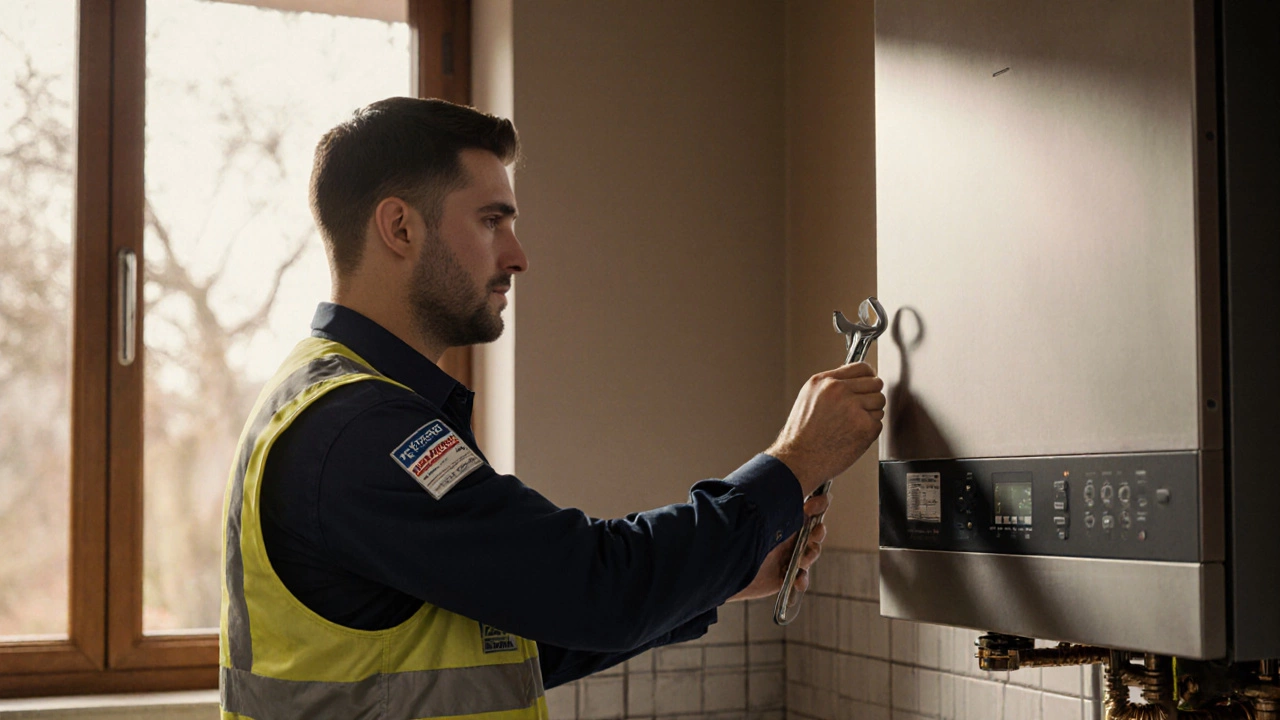
Find out when plumbers can service boilers, what tasks they cover, and when to call a heating engineer for safe, effective boiler repair.
When talking about a Heating Engineer, a qualified professional who installs, services, and repairs residential heating systems. Also known as Heating Technician, this role blends technical know‑how with safety standards to keep your home warm year‑round.
A heating engineer isn’t just a fixer‑upper; they diagnose, fine‑tune, and certify everything from a new boiler to an aging heat pump. Think of them as the bridge between a cold house and reliable comfort, using tools like multimeters, pressure gauges, and gas leak detectors. Their day often starts with a quick visual check, then moves to deeper testing of circulation pumps, thermostats, and burner assemblies.
One of the core pieces they handle is the Boiler, a closed vessel that heats water for central heating and hot water supply. Whether it’s a combi, system, or conventional model, the engineer checks pressure, flue integrity, and heat exchanger condition. Next up is the Heat Pump, an energy‑efficient device that extracts heat from air, ground, or water to warm indoor spaces. They evaluate refrigerant charge, compressor performance, and outdoor unit placement. Finally, the Water Heater, an appliance that stores and heats water for domestic use gets tested for thermostat accuracy, heating element health, and sediment buildup. Each system has its own quirks, but they all share the need for regular inspection.
Beyond the hardware, a heating engineer must be fluent in safety legislation. In the UK, they’re often required to be on the Gas Safe Register, which means they’ve passed rigorous exams on gas combustion, ventilation, and leak detection. When they service an HVAC (heating, ventilation, and air conditioning) setup, they also look at airflow, filter condition, and duct sealing to prevent energy loss. These certifications aren’t just paperwork; they protect you from carbon monoxide risk and ensure the system runs at peak efficiency.
Homeowners typically call when something goes wrong: a boiler that won’t fire, a heat pump that sputters cold air, or a water heater that delivers lukewarm showers. The engineer will first confirm the symptom—no heat, strange noises, or error codes—then move to root‑cause analysis. For a boiler, common culprits are a failed pump, air‑locked system, or faulty diverter valve. Heat pumps often suffer from low refrigerant levels or frozen outdoor coils, while water heaters can be tripped by a burnt‑out heating element or a bad thermostat. By pinpointing the exact failure, they can recommend repair, replacement, or a maintenance tweak.
Regular servicing is where the real money‑saving magic happens. A scheduled boiler tune‑up can shave a few pennies off your energy bill and extend the unit’s lifespan from eight to twelve years. Heat pumps benefit from annual coil cleaning and refrigerant checks, keeping COP (coefficient of performance) high. Water heaters, especially tank‑type models, need sediment flushing and anode rod inspection to prevent corrosion. The heating engineer’s maintenance checklist not only catches issues early but also ensures compliance with warranty terms, which often demand proof of annual service.
Choosing the right professional can feel overwhelming, but focus on three things: proof of Gas Safe registration, clear communication about the diagnosis, and transparent pricing. Ask for a written estimate before any work starts and verify that the engineer offers a guarantee on parts and labor. A good heating engineer will explain the problem in plain language, outline the steps to fix it, and let you decide whether repair or replacement makes more sense for your budget and long‑term comfort.
Below you’ll discover a curated list of articles that dive deeper into boiler quirks, heat pump troubleshooting, water heater maintenance, and when it’s time to call in a certified heating engineer. These posts give you the know‑how to spot issues early, understand repair costs, and keep your home heating reliable all year long.
Find out when plumbers can service boilers, what tasks they cover, and when to call a heating engineer for safe, effective boiler repair.