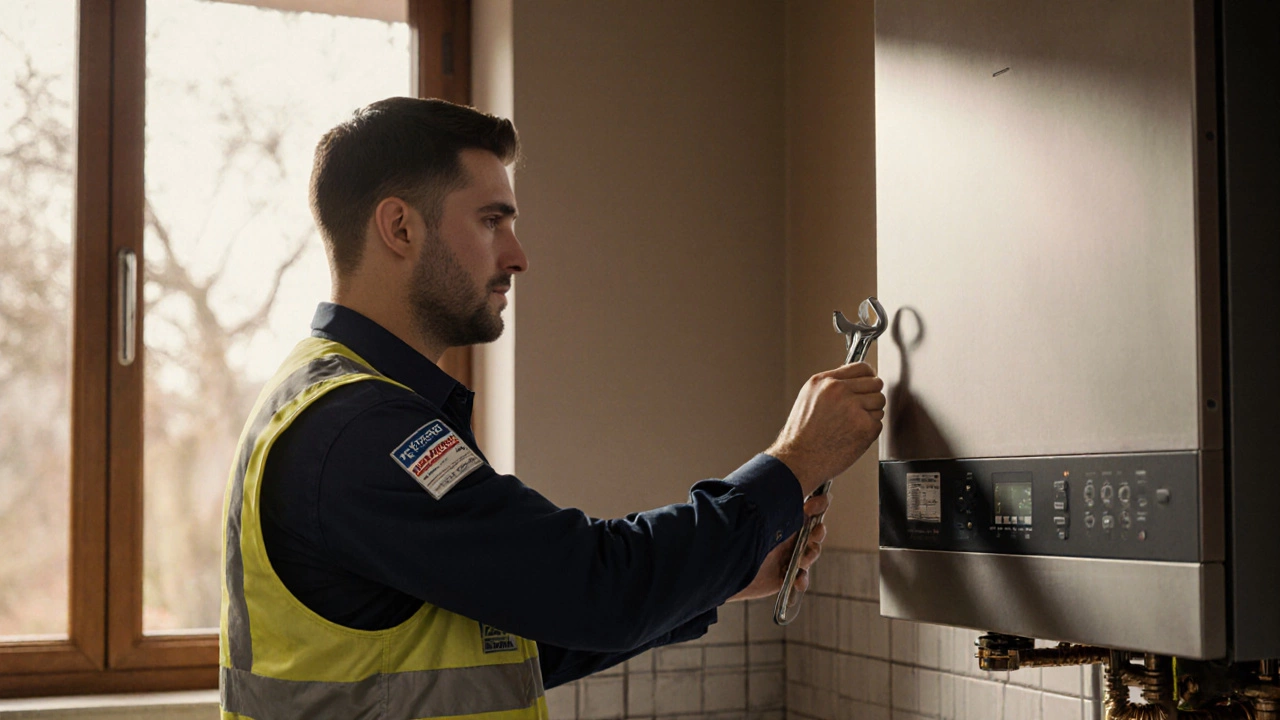
Find out when plumbers can service boilers, what tasks they cover, and when to call a heating engineer for safe, effective boiler repair.
When dealing with gas safety, the set of precautions that prevent leaks, explosions, and carbon‑monoxide poisoning in homes and businesses. Also known as fuel‑gas protection, it involves regular checks, proper installation, and immediate response to any suspect signs. Understanding gas safety helps you avoid costly repairs and protect loved ones.
One of the most trusted professionals is a Gas Safe Engineer, a certified technician authorized to install, service, and repair gas appliances. Their qualification acts as a safety net, ensuring work complies with UK regulations. Another critical component is the boiler, the central heating device that burns gas to heat water for radiators and taps. Regular boiler servicing, typically every 12 months, catches early wear and prevents dangerous pressure build‑ups.
Gas safety also covers gas ovens, kitchen appliances that use burners or burners‑fed convection to cook food. A faulty oven can leak gas into the kitchen, turning a simple meal into a hazard. Simple checks like listening for hissing sounds and ensuring the flame stays blue are part of everyday vigilance. When you combine appliance checks with professional boiler service, you create a layered defense.
Beyond appliances, the surrounding infrastructure matters. Proper pipework, venting, and carbon‑monoxide detectors are integral parts of the gas safety ecosystem. For instance, a well‑placed CO detector alerts you before dangerous gas accumulates, giving you time to ventilate and call an expert. Likewise, sealed pipe joints stop leaks at the source, reducing the need for emergency repairs.
The relationship between these entities forms a clear safety chain: gas safety requires a certified Gas Safe Engineer, who inspects the boiler and gas oven, while functional detectors and proper pipework act as the final safety net. Neglect any link and the risk of a leak or explosion spikes dramatically.
In practice, a homeowner should follow a three‑step routine: first, schedule an annual boiler service with a Gas Safe Engineer; second, perform monthly visual checks on ovens and other gas appliances; third, test carbon‑monoxide alarms quarterly. This routine covers installation, maintenance, and emergency response, the three pillars of comprehensive gas safety.
Below you’ll find a curated list of articles that dive deeper into each of these topics. From troubleshooting a cold boiler to understanding when to replace a gas oven, the posts give clear, actionable advice you can apply right away.
Find out when plumbers can service boilers, what tasks they cover, and when to call a heating engineer for safe, effective boiler repair.