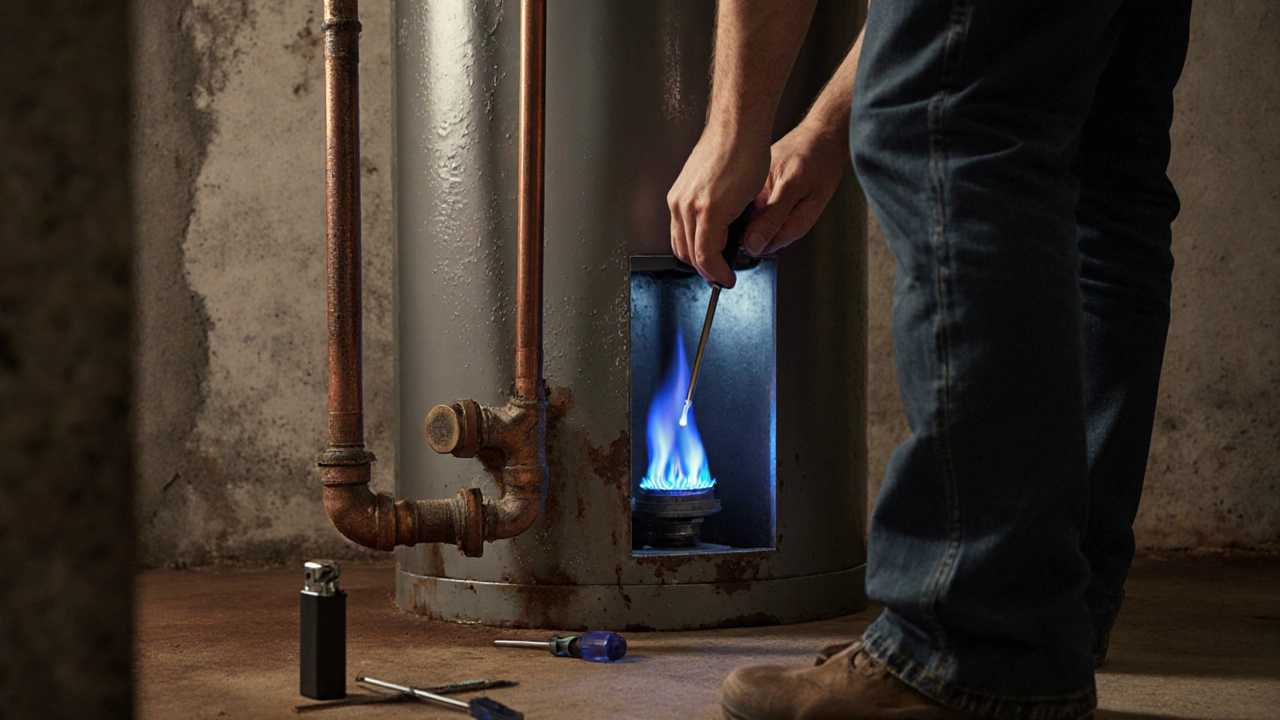
No hot water in the shower? Most often, it’s a simple fix-check the breaker, flush the tank, or reset the thermostat. Learn how to diagnose and repair common water heater issues yourself.
When your water heater, a household appliance that heats and stores water for showers, laundry, and dishes. Also known as a hot water tank, it’s one of the most taken-for-granted systems in your home—until it stops working. Suddenly, you’re stuck with cold showers and dirty dishes. Most people assume a broken water heater means a full replacement, but that’s not always true. Many issues can be fixed quickly and affordably—especially if you catch them early.
Water heaters don’t just break randomly. They fail because of predictable problems: a heating element, the electric component that warms the water inside the tank burns out, the thermostat, the control that regulates water temperature gets stuck, or sediment builds up over time and causes the tank to rust through. If you hear popping or rumbling noises, that’s usually sediment. If you see water pooling around the base, it’s likely a leak from corrosion. These aren’t mysterious failures—they’re signs you can act on.
How old is your unit? Most water heaters last 8 to 12 years. If yours is older than 10, and you’re facing a repair that costs more than half the price of a new one, replacement usually makes more sense. But if it’s under 7 years old and the issue is just a faulty part, fixing it can save you hundreds. Replacing a heating element or flushing out sludge can cost under £150 and get you back to hot water in a day. A full replacement? That’s £800 to £1,500, depending on the type and installation.
Don’t ignore small leaks or strange sounds. A dripping valve might look harmless, but it’s often the first sign of a tank about to fail. And if you’ve got hard water in South Shields, mineral buildup is almost guaranteed. That’s why regular maintenance—like draining a few gallons every six months—is the cheapest insurance you can buy. It’s not glamorous, but it keeps your hot water flowing and your wallet full.
Electric water heaters and gas ones have different repair paths. Electric units often just need a new element or thermostat. Gas units can have issues with the pilot light, thermocouple, or gas valve. Neither is DIY-friendly unless you’re confident with electrical systems or gas lines. In either case, getting a local technician who knows your area’s water quality and common failure points matters more than you think. A pro can spot problems before they turn into emergencies.
Below, you’ll find real-world guides from local repair experts on exactly what goes wrong with water heaters, how to tell if yours is on its last legs, and whether fixing it is worth your time and money. No fluff. Just clear, practical advice based on what’s actually been fixed in homes around South Shields.
No hot water in the shower? Most often, it’s a simple fix-check the breaker, flush the tank, or reset the thermostat. Learn how to diagnose and repair common water heater issues yourself.