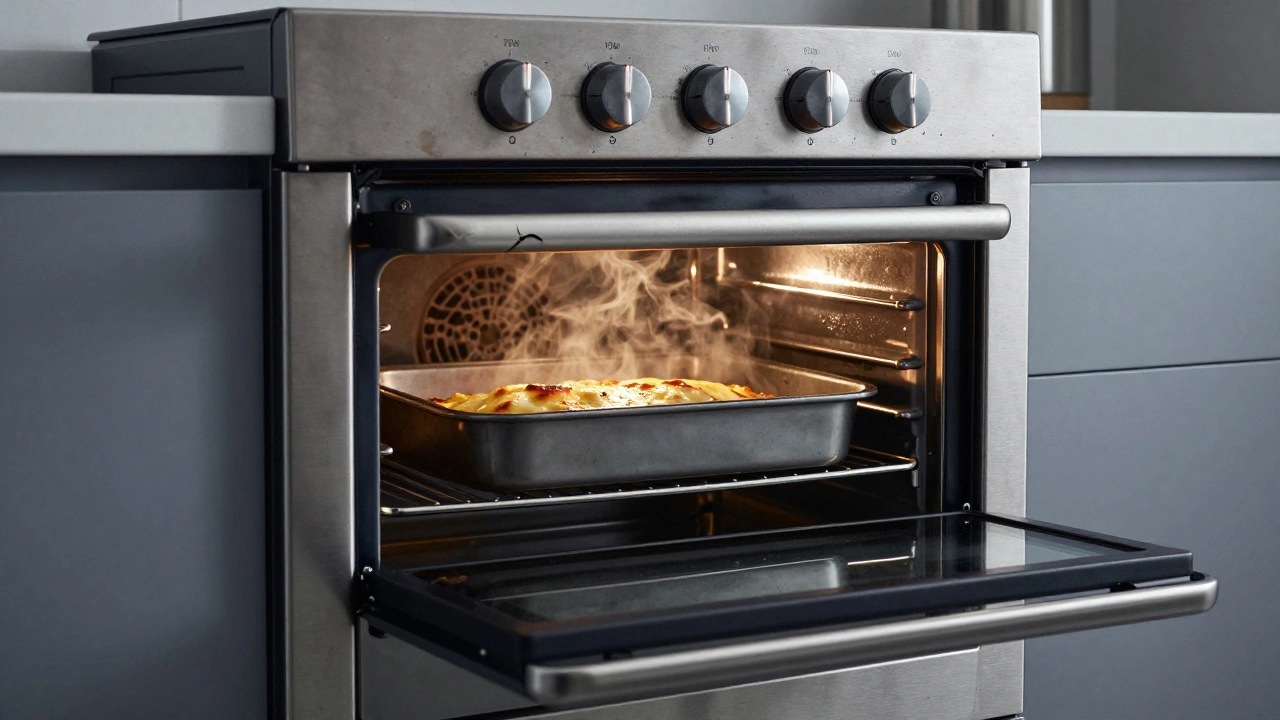
Electric ovens typically last 10 to 15 years, but signs like uneven heating, longer preheat times, and frequent repairs mean it's time to consider replacement. Learn when to fix vs. replace and how to extend your oven's life.
When you think about electric oven longevity, how long a typical electric oven lasts under normal home use before it fails or becomes inefficient. Also known as oven lifespan, it’s not just about how many years it’s been plugged in—it’s about how well it performs, how often it breaks down, and whether fixing it still makes financial sense. Most electric ovens you buy today are built to last 13 to 15 years. That’s the average, but some last longer, and others give out before 10. It’s not random. What you do—how often you clean it, whether you ignore strange noises or error codes—plays a big role. And so does the brand, the build quality, and even how hard you push it with back-to-back roasts or self-clean cycles.
One key thing that cuts electric oven longevity, how long a typical electric oven lasts under normal home use before it fails or becomes inefficient short is neglecting small problems. A burned-out heating element isn’t a disaster—it’s a $50 fix. But if you keep using the oven with a failing element, you strain the control board. And that’s where things get expensive. The oven control board, the electronic brain that manages temperature, timers, and safety features in modern electric ovens is the most common reason people end up replacing the whole oven. Replacing it can cost $300-$500, and if your oven is already 10 years old, that’s a red flag. Same goes for the electric oven repair, the process of diagnosing and fixing mechanical or electrical faults in electric ovens using specialized tools and knowledge. Not every technician can handle it. You need someone who knows how to test circuits, read error codes, and spot worn-out wiring—not just someone who swaps out parts blindly.
There’s no magic number that says "replace now," but if your oven takes 30 minutes to preheat, the heat’s uneven, or the display shows random errors, you’re not saving money by keeping it. You’re just delaying the inevitable. And if you’ve already paid for two or three repairs in the last two years, you’re past the point of no return. The real question isn’t whether your oven can be fixed—it’s whether fixing it makes sense right now. Below, you’ll find real-world guides on diagnosing common failures, understanding repair costs, and knowing when it’s smarter to walk away and get a new one. No fluff. Just what actually matters when your oven stops working.
Electric ovens typically last 10 to 15 years, but signs like uneven heating, longer preheat times, and frequent repairs mean it's time to consider replacement. Learn when to fix vs. replace and how to extend your oven's life.
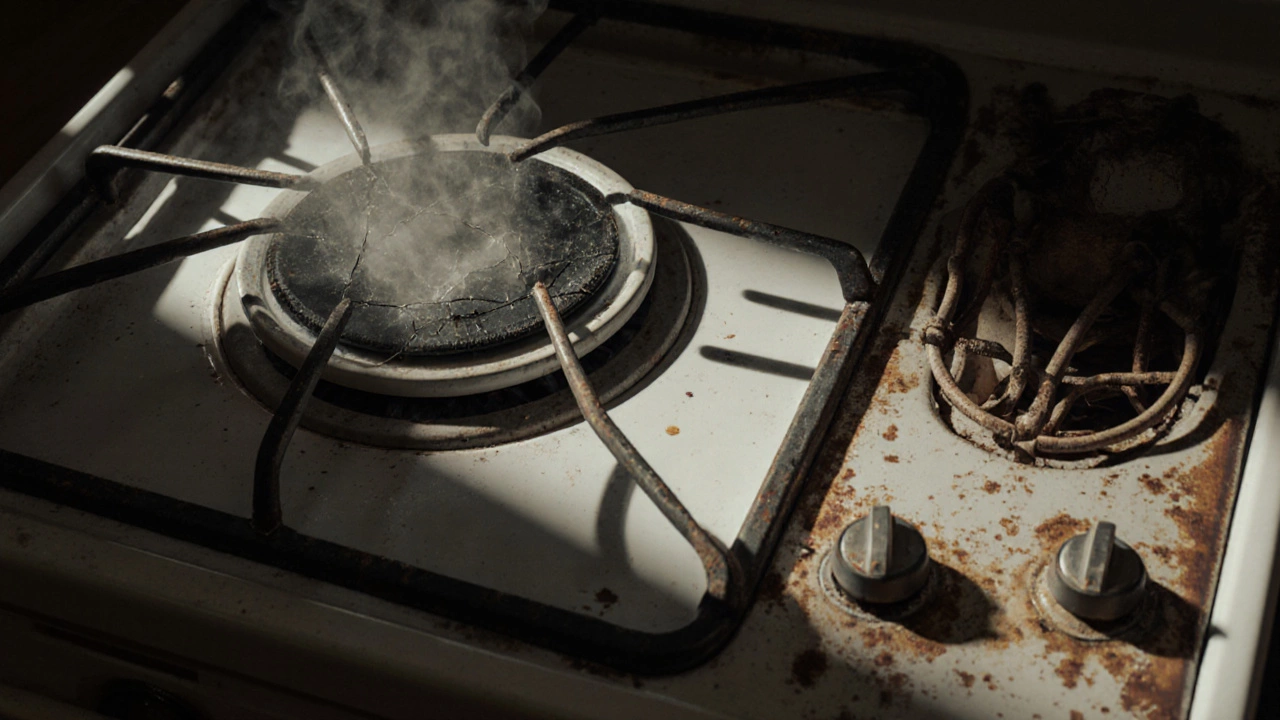
Most electric stoves last 13-15 years with proper care, but signs like slow heating, glitchy controls, or sparking mean it’s time to replace it. Learn when to repair and what to look for in a new model.