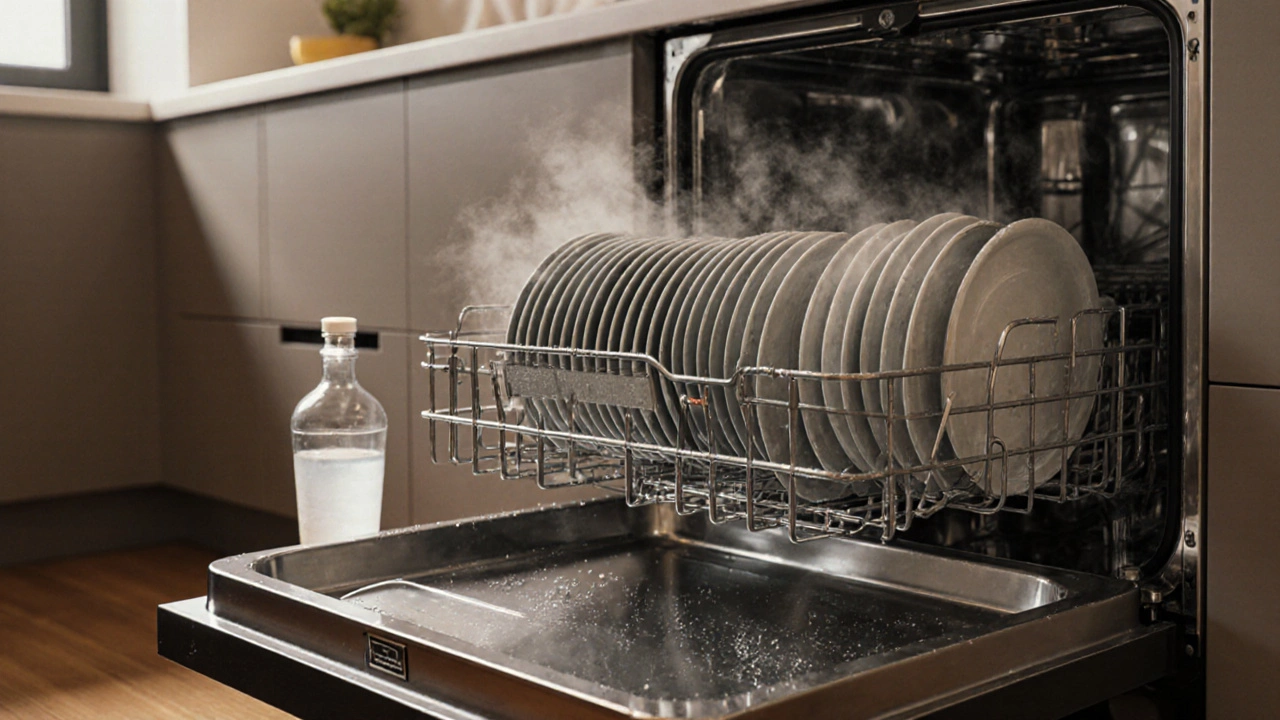
A good dishwasher lasts 10 to 15 years with proper care. Learn the signs it’s time to repair or replace, how hard water affects lifespan, and what features to look for in a new model.
When your dishwasher replacement, the process of swapping out a broken or outdated dishwasher with a new unit. Also known as dishwasher installation, it becomes necessary when repairs no longer make financial or practical sense. Most dishwashers last 8 to 12 years. After that, even if it still runs, it’s likely using more water and electricity than a new model—and that adds up over time. You might notice it’s taking longer to clean, leaving spots on your glasses, or just making more noise than it should. These aren’t just annoyances. They’re signals.
Before you jump to dishwasher replacement, the process of swapping out a broken or outdated dishwasher with a new unit, check if it’s a simple fix. A clogged filter, a worn-out spray arm, or a faulty door seal can cause big problems without needing a full replacement. But if the motor’s struggling, the control panel is glitching, or water’s leaking from the bottom, you’re probably looking at a repair that costs half the price of a new unit. And that’s not a bargain—it’s a trap. Replacing a 10-year-old dishwasher isn’t just about convenience. It’s about efficiency. New models use up to 30% less water and energy than ones from 15 years ago. That’s real money saved every month.
Some people wait until the dishwasher stops working completely. That’s a mistake. Waiting means you’re stuck without one during a busy week, or worse, you end up with water damage from a sudden leak. Look for the quiet signs: dishes coming out still dirty, longer cycles, strange smells, or the unit refusing to start. These aren’t random glitches. They’re the end-of-life symptoms. If your dishwasher is older than 10 years and you’ve had more than one repair in the last two years, replacement is the smarter move. You’re not just buying a machine—you’re buying peace of mind, lower bills, and better cleaning.
When you do replace it, pay attention to the basics: size, energy rating, cycle options, and warranty. Don’t get fooled by fancy features you’ll never use. A solid, simple model with good reviews beats a packed-to-the-brim one that breaks down in two years. And make sure the new one fits your space—measure the opening, check the water and drain hose alignment, and confirm you’ve got the right electrical setup. Some newer models need a dedicated circuit, and that’s something you’ll want to know before you buy.
Below, you’ll find real-world stories and practical guides from people who’ve been there. From fixing a clogged drain to deciding whether to repair or replace, these posts cover the full picture. No fluff. No sales pitches. Just what actually works when your dishwasher starts acting up—and when it’s time to let it go.
A good dishwasher lasts 10 to 15 years with proper care. Learn the signs it’s time to repair or replace, how hard water affects lifespan, and what features to look for in a new model.