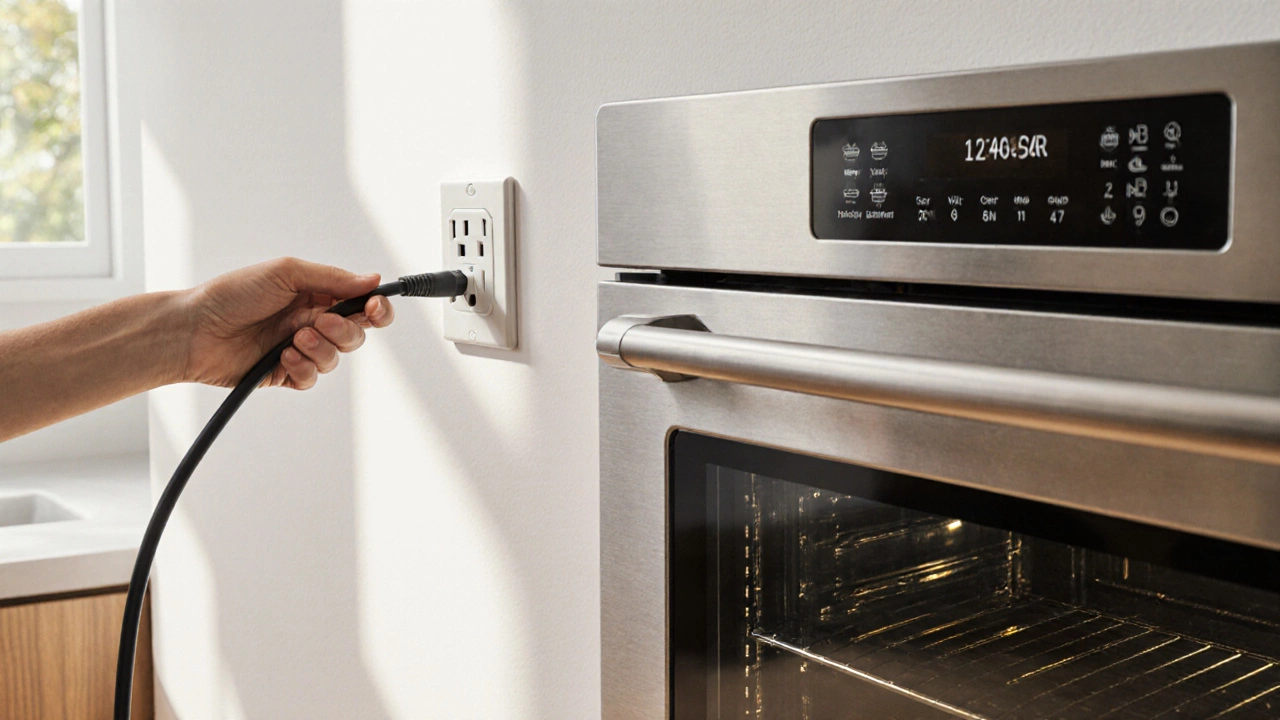
Learn if you can simply plug in a new electric oven, what power requirements and safety steps are needed, and get a step‑by‑step replacement guide.
When working with dedicated circuit, a single electrical line that powers only one appliance or piece of equipment. Also known as a stand‑alone circuit, it guarantees that the device receives the right voltage and current without sharing load with other gear. This setup shows up whenever you install an oven, dryer, heat pump, or a large washing machine – basically any appliance that pulls a lot of amps. The idea is simple: keep the power source isolated, so a sudden surge or fault won’t knock out the rest of the house. In practice, that isolation means you’ll see a dedicated breaker in the consumer unit, a specific wire size, and often a label that says exactly which appliance it serves.
First off, the circuit breaker, the protective device that trips if current exceeds safe limits. It’s the safety net that stops overheating wires and potential fires. Choosing the right amp rating for the breaker is crucial – too low and the appliance will constantly trip, too high and you lose protection. Next, the wire gauge, the thickness of the copper or aluminium conductor. The heavier the load, the thicker the wire needed to carry the current without excessive voltage drop. For a typical 7,500‑watt electric oven, you’ll see 10 AWG or even 8 AWG copper paired with a 30‑amp breaker. Finally, you must follow the local electrical code, the set of standards that dictate how circuits are installed and inspected. In the UK, that’s the Wiring Regulations (BS 7671), which spell out everything from required earth continuity to mandatory labeling.
These three pieces – breaker, wire size, and code compliance – form the backbone of a safe dedicated circuit. In other words, a dedicated circuit encompasses specific appliance loads, it requires proper wire gauge, and the circuit breaker protects the entire setup. Ignoring any of them can lead to nuisance trips, premature appliance wear, or worse, an electrical fire.
When you’re planning a new installation or upgrading an older one, start by checking the appliance’s nameplate for its rated amperage. Then match that to the nearest standard breaker size (usually 15, 20, 30, or 40 amps) and pick a wire gauge that supports at least 125 % of the running current. Label the breaker clearly – “Dedicated – Kitchen Oven” – so future electricians know the circuit’s purpose at a glance. If the wiring run is long, you might need to upsized the wire to combat voltage drop; a quick calculation can save you from a lukewarm oven or a tripping dryer.
Beyond the technical checklist, think about future needs. If you might add a second oven or a built‑in dishwasher later, consider a larger breaker and a conduit that can accommodate extra cables. That foresight avoids costly re‑runs later and keeps your home’s electrical system flexible.
The articles below dive into real‑world appliances that often rely on dedicated circuits – from heat pumps that stop blowing warm air, to ovens with burned‑out elements, to boilers and water heaters that need reliable power. You’ll see how each case applies the principles of dedicated wiring, breaker selection, and code compliance, giving you actionable insights you can use right away.
Learn if you can simply plug in a new electric oven, what power requirements and safety steps are needed, and get a step‑by‑step replacement guide.