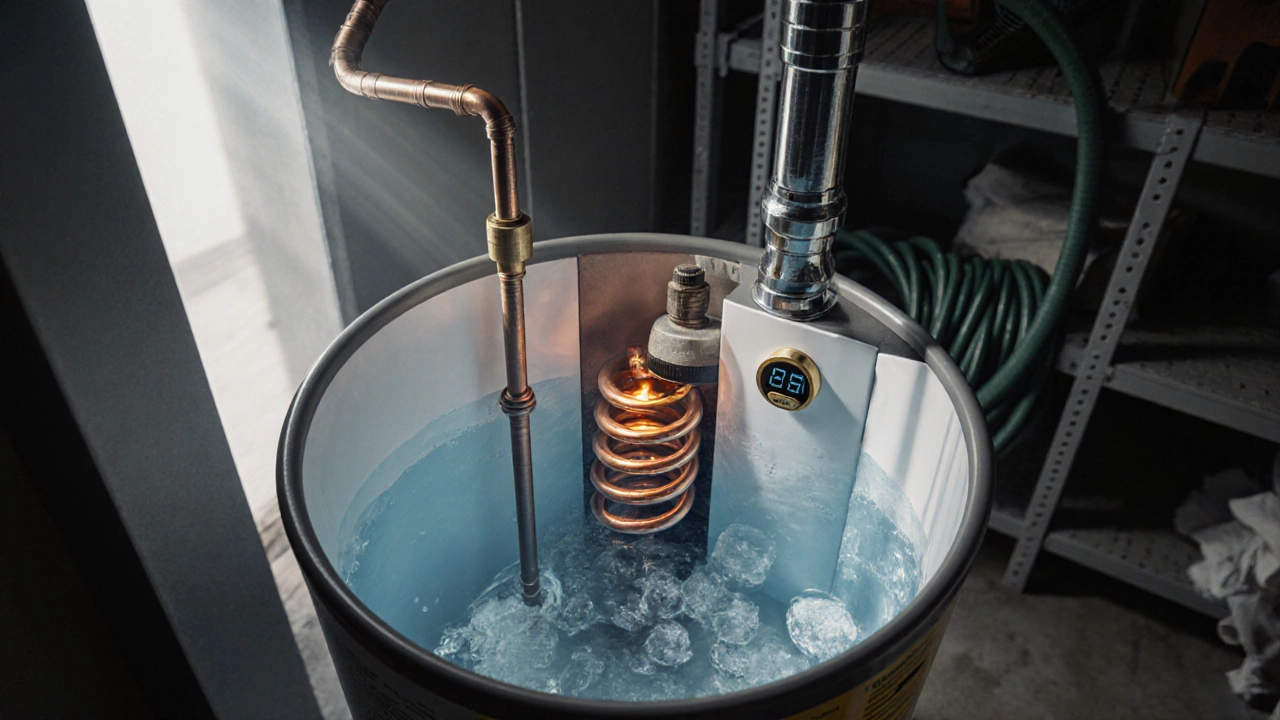
Learn the most common water heater failure points, why they break, early warning signs, and maintenance tips to keep your hot water flowing.
When dealing with common water heater problems, the typical faults that stop a heater from delivering hot water or cause leaks. Also known as water heater issues, they affect both comfort and bills. Hot water heater, a conventional tank‑type appliance that stores and heats water often suffers from thermostat failure, heating element burnout, or sediment buildup. Tankless water heater, a on‑demand system that heats water as it flows can experience error codes, scaling, or insufficient flow rates. These three entities are linked: common water heater problems encompass faults in both hot water heaters and tankless units, and fixing them usually requires checking the thermostat, flushing the tank, or clearing error codes. Understanding these connections saves time and avoids unnecessary service calls.
One of the first things homeowners notice is the water heater reset button, a safety feature that trips when the heater overheats. If it keeps popping, the cause is often a failing thermostat, a buildup of minerals, or a faulty heating element. Resetting the button without addressing the root issue can lead to repeated trips and possible damage. Another common sign is strange noises—popping or rumbling usually means sediment is scorching at the bottom of the tank, which reduces efficiency and can eventually crack the interior. Leaking around the base points to a corroded tank or loose connections, both of which require prompt professional attention. By performing these quick visual and safety checks, you can narrow down the problem before calling a technician.
Regular maintenance is the best defense against most of these issues. Flushing the tank once a year removes mineral deposits, while checking the anode rod helps prevent corrosion. For tankless units, descaling every 12‑18 months keeps the heat exchanger clean and maintains flow rates. Keep an eye on the temperature setting; 120°F is usually sufficient and reduces stress on components. When you combine proper upkeep with the troubleshooting steps above, you’ll extend the life of both hot water and tankless heaters and cut down on costly repairs. Below, you’ll find a curated set of articles that dive deeper into each fault, offer step‑by‑step diagnostics, and explain when a professional call is truly needed.
Learn the most common water heater failure points, why they break, early warning signs, and maintenance tips to keep your hot water flowing.