Boiler Replacement Cost – What to Expect and How to Plan
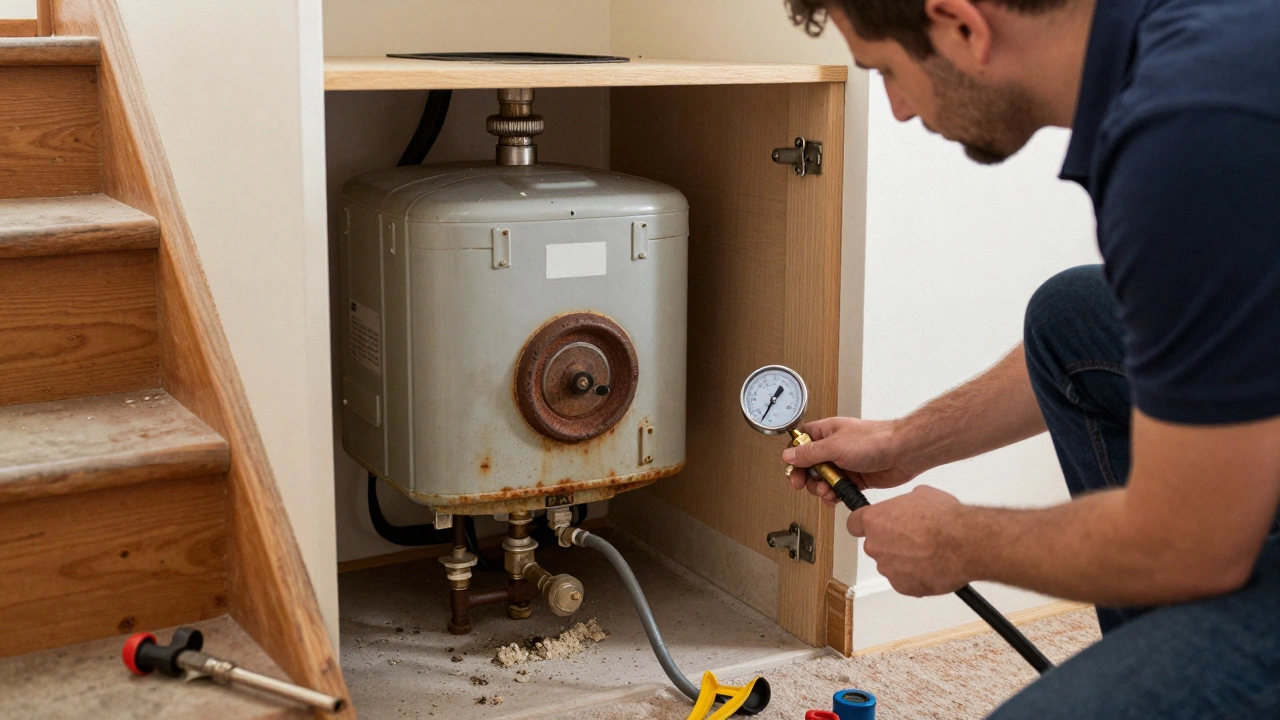
When budgeting for boiler replacement cost, the total price you’ll pay to remove an old boiler and install a new one. Also known as boiler install price, it includes parts, labor, and any necessary upgrades. Comparing boiler repair, fixing issues on the existing unit to a full replacement helps you decide if the expense makes sense. Your boiler’s lifespan, average years a unit runs before major failure plays a big role in that decision. A qualified heating engineer, certified professional who can install and service boilers ensures the work meets safety standards and can affect the overall price. Understanding the boiler replacement cost lets you weigh equipment, labor, and permit fees before signing a contract.
Key Cost Drivers You Need to Know
Boiler replacement cost is influenced by several tangible factors. First, the type of boiler matters: a combi unit typically costs £1,200‑£2,200, while a system or regular boiler can run £1,500‑£3,000 because of extra pipework. Fuel choice adds another layer—oil boilers carry higher installation fees due to storage tanks, whereas gas models are cheaper if the property already has a mains supply. Size and output rating are also critical; a 24kW unit for a small flat is far less expensive than a 35kW model for a large house.
Labor charges vary by region and the complexity of the job. Removing the old unit, safely disconnecting gas lines, and disposing of the old boiler can add £300‑£600. If the new boiler requires a new flue, condensate pump, or upgrades to the ventilation system, expect another £200‑£500. Building regulations may demand a certified inspection, which a heating engineer typically handles for £80‑£150. All these pieces combine to create a final price that usually falls between £2,000 and £4,500, but high‑end models with smart controls can push the total past £6,000.
Beyond the raw numbers, you should factor in long‑term savings. Modern condensing boilers achieve efficiencies of 90‑95%, cutting fuel bills by up to 30 % compared with older models. Many local councils and energy companies offer rebates of £300‑£500 for installing an energy‑efficient system, directly lowering the effective replacement cost. A solid boiler warranty—often 5 to 10 years—protects you from unexpected repair bills and can be a deciding factor when comparing repair versus replace. When you weigh the average boiler lifespan of 10‑15 years against the upfront expense, the cost‑benefit balance often tips toward replacement, especially if repair estimates exceed £500 or recurring issues persist.
Now that you see how equipment, labor, regulations, and efficiency gains shape the total, you’re ready to dive deeper. Below you’ll find a hand‑picked collection of articles that break down each cost element, compare repair scenarios, explain how to choose the right heating engineer, and show you how to maximize any available incentives.