Refrigerator Trouble-Shooter
Not sure what's wrong? Select the symptom you're experiencing below to find the most likely culprit and the recommended fix.
Warm Fridge / Hot Back
The fridge isn't cooling well and the back feels unusually warm.
Water in Bottom Drawer
Finding puddles of water inside the crisper drawers.
Loud Humming / No Air
Noisy operation or freezer is cold but the fridge is warm.
Frost on Interior Walls
Excessive frost buildup or food spoiling too quickly.
Clicking Sound / No Cool
Rhythmic clicking sounds and the compressor won't start.
Erratic Temperatures
Lettuce freezing or total loss of cooling without noise.
Select a symptom above
Please click on one of the cards to see the diagnosis and solution.
Quick Summary of Fridge Fixes
- Dirty condenser coils are the #1 cause of cooling inefficiency.
- Worn-out door gaskets lead to temperature leaks and higher bills.
- Failed evaporator fans cause uneven cooling or loud humming.
- Clogged defrost drains create puddles inside the fridge.
- Faulty start relays prevent the compressor from kicking in.
The Number One Culprit: Dirty Condenser Coils
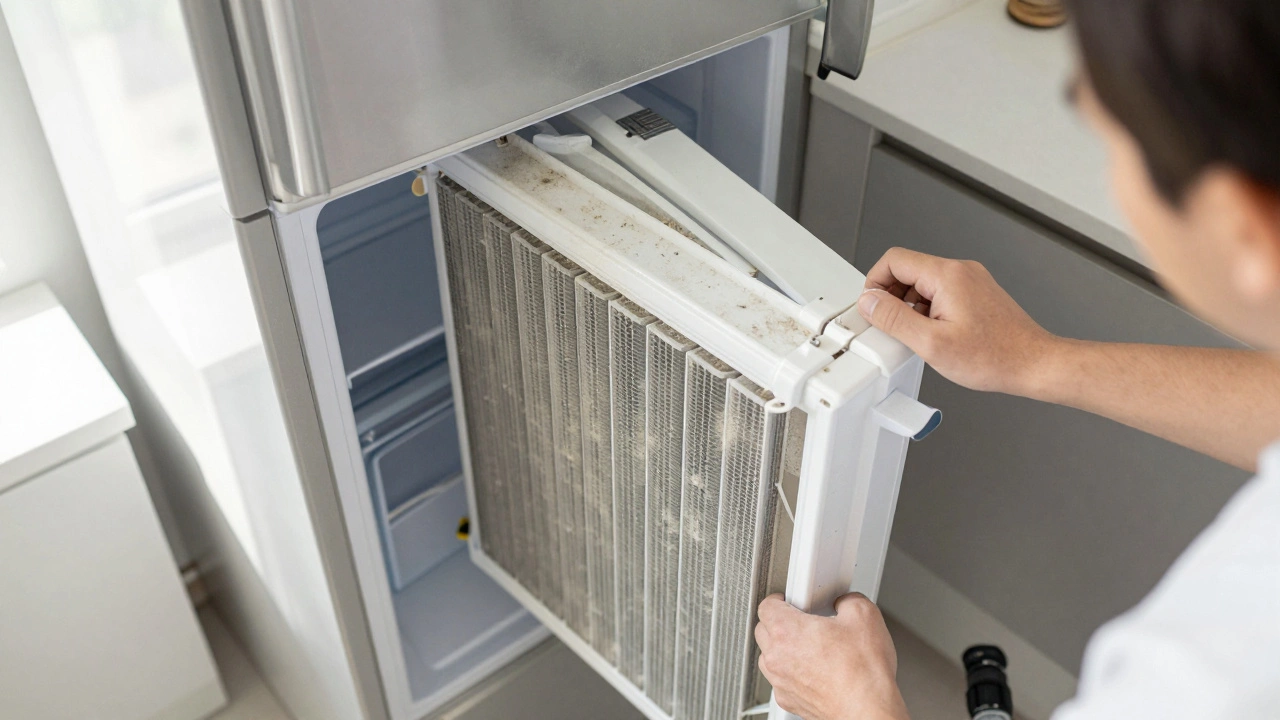
If we're talking about the single most frequent issue, it's almost always the condenser coils. Think of these as the radiator for your fridge. Condenser Coils are metal tubes that dissipate heat from the interior of the fridge to the outside air. When these coils get coated in pet hair, thick dust, or kitchen grease, the heat can't escape. Your fridge has to work twice as hard to stay cool, which eventually burns out the motor.
You can tell this is the problem if the back of your fridge feels unusually hot or if the compressor is running constantly without the temperature ever dropping. Most modern units have these coils at the bottom back or tucked behind a grille. A simple vacuuming every six months can prevent a total system failure. If you wait until the fridge stops cooling, you might be looking at a costly compressor replacement rather than a ten-minute cleaning job.
Temperature Leaks and Door Gasket Failure
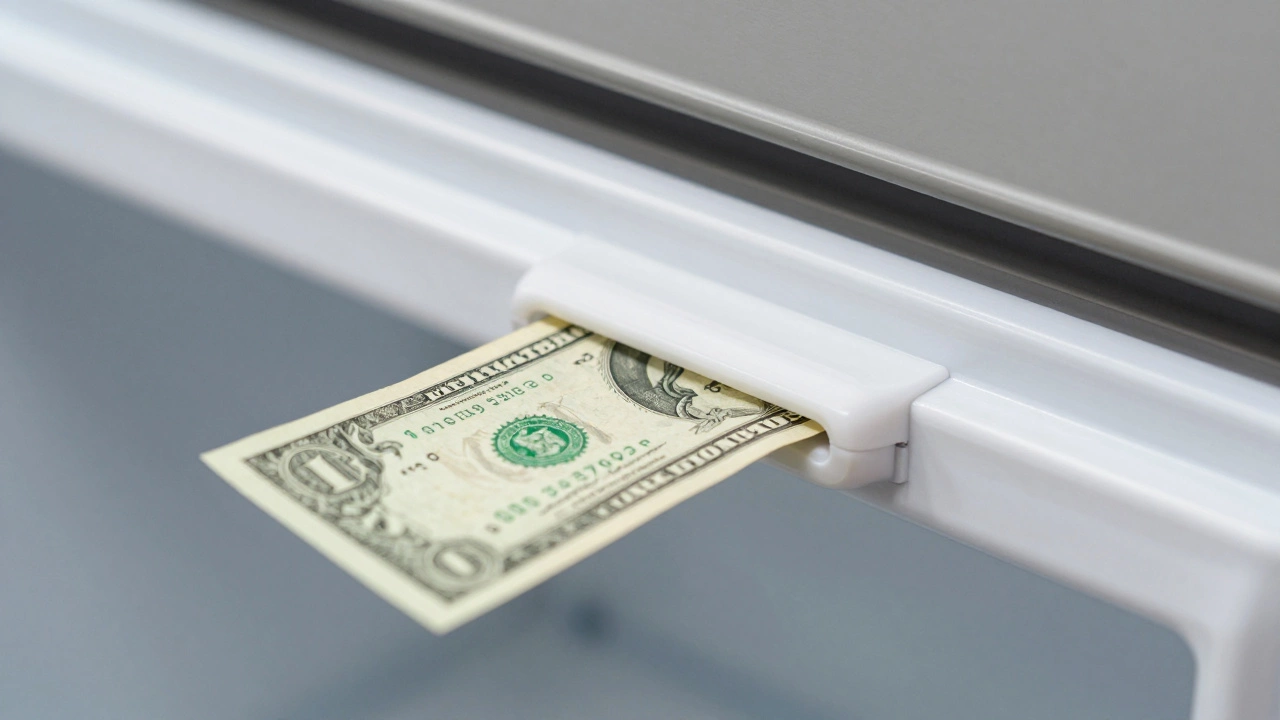
Have you noticed frost building up on the back wall or food spoiling faster than usual? Your door seal, or gasket, is likely failing. The Door Gasket is a magnetic rubber strip that creates an airtight seal between the refrigerator door and the cabinet. Over time, the rubber dries out, cracks, or loses its magnetism.
A great way to test this is the "dollar bill test." Close the door on a dollar bill; if you can pull the bill out without any resistance, your seal is gone. This isn't just a minor annoyance-it's a huge energy drain. Warm air leaks in, causing the Compressor (the heart of the cooling system) to run non-stop. Replacing a gasket is usually a DIY job that requires nothing more than a new strip of rubber and a bit of soap and water to clean the surface.
Water Puddles and Clogged Defrost Drains
Finding a pool of water at the bottom of your crisper drawer is a classic sign of a clogged defrost drain. All refrigerators go through a defrost cycle to melt ice off the coils. This water is supposed to flow down a drain tube into a pan under the fridge where it evaporates. However, food particles or slime-like algae can plug that tube.
When the water has nowhere to go, it backs up and spills into the fridge cabin. If you ignore this, the water can seep into the electrical components or cause mold growth. To fix this, you usually have to locate the drain hole (typically at the back of the freezer) and flush it with warm water and a turkey baster until it flows freely again.
The Humming Noise: Evaporator and Condenser Fans
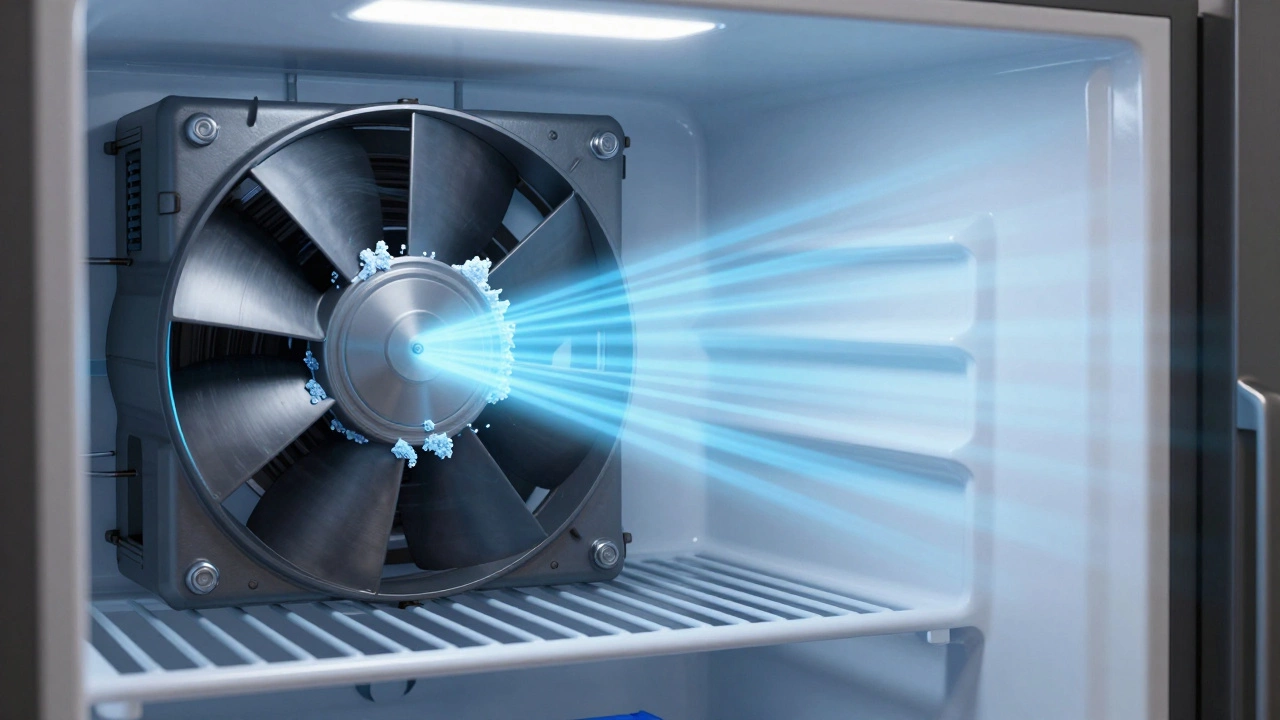
If your fridge sounds like a jet engine or makes a clicking noise, you're likely dealing with a fan failure. There are usually two main fans: the Evaporator Fan, which circulates cold air from the freezer to the fridge, and the condenser fan, which cools the compressor.
When the evaporator fan dies, your freezer might stay freezing, but your fridge section becomes a lukewarm box. This is because the cold air isn't being pushed through the vents. Often, the fan isn't actually broken, but is simply jammed by a piece of ice from a faulty defrost timer. Thawing the unit manually for 24 hours can sometimes solve the problem, but if the motor has burnt out, the fan assembly needs to be replaced.
| Symptom | Likely Component | Typical Cause | Difficulty to Fix |
|---|---|---|---|
| Warm Fridge / Hot Back | Condenser Coils | Dust/Pet Hair Build-up | Easy |
| Water in Bottom Drawer | Defrost Drain | Food debris/Ice blockage | Medium |
| Loud Humming/No Cold Air | Evaporator Fan | Motor failure or ice jam | Medium |
| Frost on Interior Walls | Door Gasket | Worn out rubber seal | Easy |
| No Cooling / Clicking Sound | Start Relay | Electrical burn-out | Medium |
The Dreaded Clicking Sound: Start Relay and Capacitors
If you hear a rhythmic "click... hum... click" every few minutes, your compressor is trying to start but can't. This is usually caused by a failed Start Relay. The relay is a small device plugged into the side of the compressor that gives it the electrical kick needed to start moving.
When the relay fails, the compressor over-heats and shuts down via a safety switch, creating that clicking sound. The good news is that the relay is a relatively cheap part. The bad news is that if the compressor itself has failed internally, the cost of repair often exceeds the value of the fridge. A pro tip: if you remove the relay and shake it, and it rattles like a box of pebbles, it's definitely dead.
Thermostat and Temperature Control Issues
Sometimes the fridge is working fine, but the "brain" is confused. The Temperature Control Thermostat tells the compressor when to turn on and off. If this sensor fails, your fridge might either freeze your lettuce or stop cooling entirely.
In newer electronic models, this is handled by a control board. If the board fails, you might see flickering lights or a display that doesn't respond. Testing these requires a multimeter to check for continuity. If the sensor is out of calibration, the fridge won't know it's too warm, and it will just sit there while your groceries spoil.
Maintenance Tips to Avoid Major Repairs
Most of these common refrigerator repairs could be avoided with a tiny bit of effort. You don't need to be a technician to keep your unit running for 15 years. Start by pulling the fridge out once every six months and vacuuming the coils. Check your door seals by looking for light escaping from the edges when the door is closed at night.
Also, avoid overstuffing your fridge. If you block the air vents with a giant bag of frozen peas, the air can't circulate, which puts extra strain on the fans and can cause the evaporator coils to freeze over. A little breathing room for your food means a longer life for your appliance.
How do I know if my compressor is actually broken?
If your fridge has power and the fans are running, but the compressor is silent or making a clicking sound, it's likely a start relay issue. However, if the compressor is humming but the fridge isn't getting cold at all, you might have a refrigerant leak or a failed compressor valve. A technician can verify this by checking the pressure in the sealed system.
Can I clean my condenser coils myself?
Yes, and you should! Unplug the fridge first for safety. Use a vacuum with a narrow attachment to suck out dust and pet hair from the coils at the back or bottom. If they are extremely greasy, you can use a coil brush to gently scrub them before vacuuming.
Why is there ice buildup in my freezer?
This is usually caused by warm, moist air leaking into the freezer. Check your door gasket for rips or gaps. If the seal is fine, your automatic defrost timer or heater might have failed, causing ice to build up faster than the fridge can melt it during the defrost cycle.
Is it worth repairing an old refrigerator?
It depends on the part. Replacing a fan, relay, or gasket is almost always worth it because the parts are cheap. However, if the compressor fails or there is a leak in the evaporator coils (the "sealed system"), the repair cost is often so high that buying a new, more energy-efficient model makes more sense.
How often should I replace the water filter?
Most manufacturers recommend replacing the filter every six months. A clogged filter can slow down the water flow and, in some cases, cause the water dispensing valve to work harder, potentially leading to leaks or valve failure over time.
Next Steps for Homeowners
If your fridge is acting up right now, start with the easiest fix: vacuum the coils. If that doesn't work, do the dollar bill test on your seals. If you're hearing a clicking sound, try replacing the start relay-it's the cheapest high-impact fix available. If you suspect a refrigerant leak (the fridge is running but not cooling), stop there and call a certified professional, as handling coolant requires specialized equipment and licensing.
I am an expert in the services industry with a focus on appliance repair. My passion lies in understanding how things work and educating others in simple, engaging ways. This enthusiasm fuels my writing, where I delve into topics around appliance maintenance and troubleshooting. I aim to make these subjects clear and accessible to all readers.