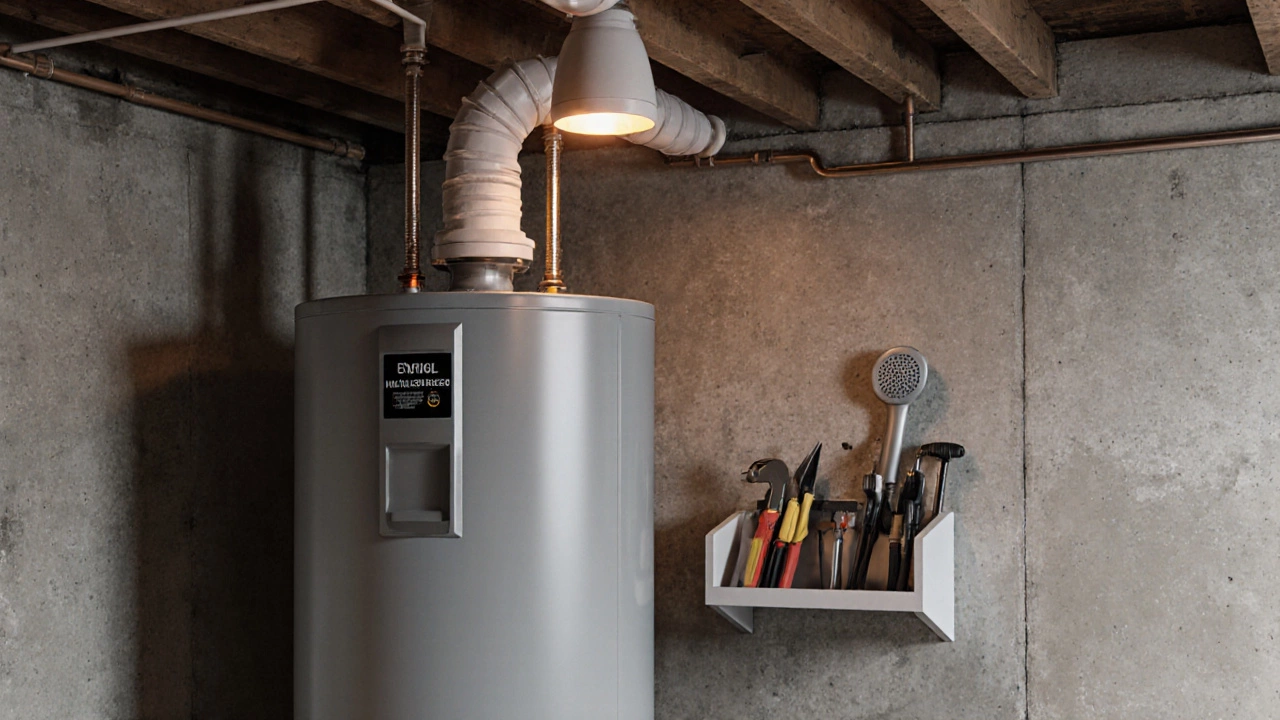
Learn how long water heaters typically last, what factors affect their lifespan, maintenance tips to extend service, and when to replace a failing unit.
When dealing with water heater longevity, the expected service life of a domestic water heating unit. Also known as water heater lifespan, it covers how long a tank or tankless system can reliably provide hot water before major issues arise. The real driver behind water heater longevity is regular upkeep, quality of parts, and the water quality it works with. In practice, the longer you keep up with simple checks, the fewer surprise breakdowns you’ll face.
First, water heater maintenance, scheduled cleaning, inspection, and part replacement is the backbone of durability. A good maintenance routine tackles sediment buildup, which can starve the heating element and cause premature wear. Second, the water heater failure points, common sources of leaks, element burnout, and thermostat loss often show up as rust stains, odd noises, or inconsistent water temperature. Third, proper installation matters: a correctly sized unit on the right voltage circuit avoids over‑working the components. Finally, the type of heater—tank versus tankless—brings its own lifespan expectations; tankless models often outlast traditional tanks but need more frequent descaling in hard‑water areas. In short, the equation looks like this: Longevity = (Maintenance + Proper Installation) – (Failure Points + Poor Water Quality). By watching these variables you can push a typical 8‑12 year tank or a 15‑20 year tankless system well beyond its baseline.
When something does go wrong, knowing when to call a pro versus DIY can save both time and money. water heater repair, the process of fixing leaks, replacing heating elements, or resetting safety controls often restores a unit’s performance if caught early. For example, a tripped reset button on an electric heater is a quick check that can be done safely at home, but a corroded anode rod usually needs a technician’s hand. The cost‑benefit balance hinges on the age of the unit and the severity of the fault. If you’re under five years old and the part is inexpensive, repair usually makes sense. Past the ten‑year mark, frequent repairs can signal it’s time for a replacement, especially if energy efficiency has slipped. The posts below dive deeper into each of these angles—costs of replacement, diagnostic checklists, and real‑world failure stories—giving you a toolbox of knowledge to decide the best path for your hot water needs.
Learn how long water heaters typically last, what factors affect their lifespan, maintenance tips to extend service, and when to replace a failing unit.