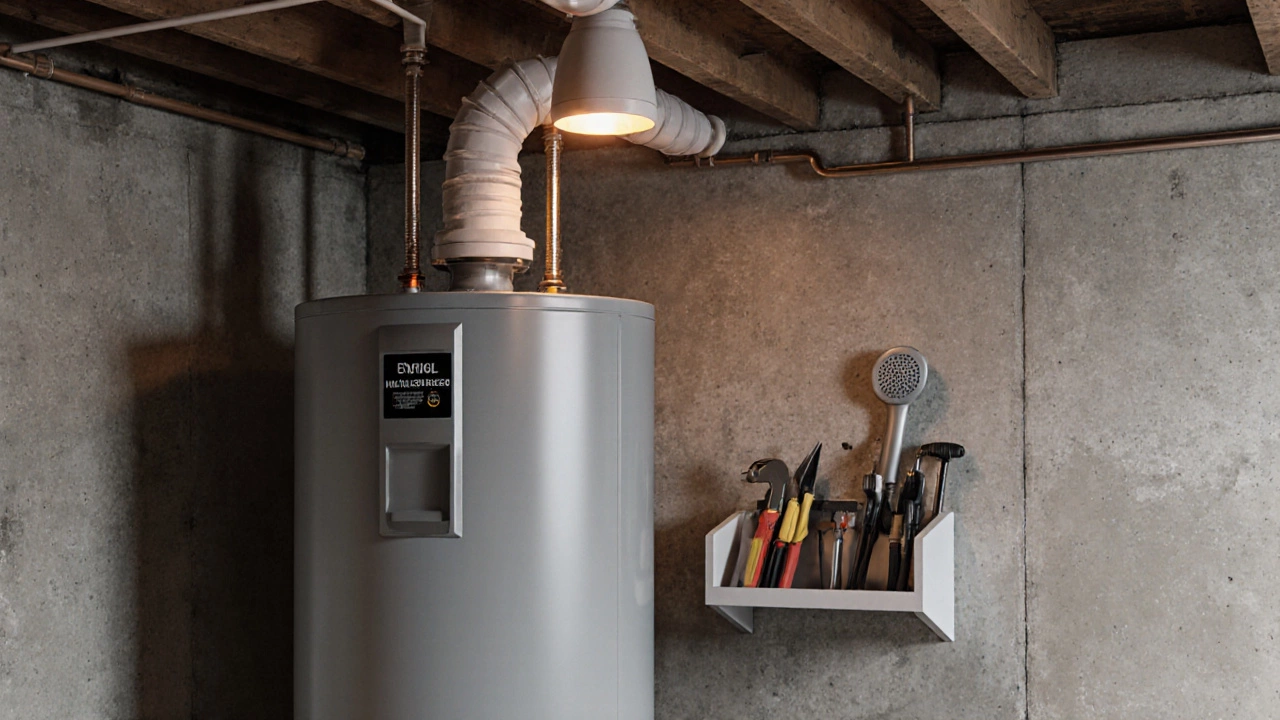
Learn how long water heaters typically last, what factors affect their lifespan, maintenance tips to extend service, and when to replace a failing unit.
When you hear Water Heater Lifespan, the length of time a water heating unit works efficiently before needing major repair or replacement. Also known as water heater life expectancy, it matters to anyone who relies on hot showers, clean dishes, or laundry. Understanding the factors that push that clock forward or speed it up helps you avoid cold surprises and costly emergency calls.
First, the type of unit sets a baseline. A Tank Water Heater, a traditional unit that stores hot water in an insulated tank typically gives you 8‑12 years of solid service. In contrast, a Tankless Water Heater, a demand‑type system that heats water on the fly, often lasts 15‑20 years because it has fewer parts that corrode. Beyond type, water quality plays a huge role: hard water leaves mineral buildup that eats away at heating elements, while aggressive chemicals can crack the tank lining. Temperature settings matter too—running the thermostat at 140°F (60°C) speeds wear, whereas 120°F (49°C) gives the unit a longer break.
Usage patterns add another layer. A family of four that showers twice a day will push the heater harder than a single occupant. Seasonal spikes, like holiday gatherings where the dishwasher and washing machine run back‑to‑back, also pile on stress. All these variables combine to form a real‑world lifespan that can differ from the manufacturer’s warranty.
That’s where Water Heater Maintenance, regular checks and cleaning that keep the unit running efficiently steps in. A simple flush once a year clears out sediment that would otherwise insulate the heating element and force it to work harder. Checking the anode rod for corrosion prevents tank rust, and tightening loose connections avoids leaks that can turn a minor repair into a flood. Even a quick visual inspection of the venting on a gas model catches blockages before they become dangerous.
Knowing the warning signs is just as critical as the routine tasks. Look for a steady drip from the tank, a rumbling noise that signals sediment movement, or a sudden drop in water temperature during a hot shower. If the pilot light keeps going out, the thermostat is cycling erratically, or you see rust‑colored water, those are red flags that the unit is nearing the end of its useful life. Ignoring these clues usually means the repair bill skyrockets, and you might end up replacing the whole system anyway.
When the age of the heater lines up with frequent repairs, it’s time for a cost‑benefit check. A typical tank repair—replacing a heating element or fixing a leak—ranges from £150‑£400. A full tank replacement, on the other hand, can run £600‑£1,200 plus installation. For tankless models, the repair costs are higher, but the long‑term savings on energy and a longer lifespan often balance out. If your heater is over ten years old, water heater maintenance alone won’t keep it running forever; a strategic replacement may save you money and hassle in the long run.
Putting all this together, the lifespan of a water heater isn’t a single number—it’s a blend of type, water quality, usage, and how well you look after it. By flushing the tank, checking the anode rod, watching for leaks, and adjusting the thermostat, you can stretch that clock as far as possible. When the signs point to failure, weigh repair costs against the age and efficiency of the unit before deciding.
Below you’ll find a curated collection of articles that dive deeper into each of these points—cost guides, troubleshooting checklists, and expert tips to help you make the right call for your home’s hot water needs.
Learn how long water heaters typically last, what factors affect their lifespan, maintenance tips to extend service, and when to replace a failing unit.