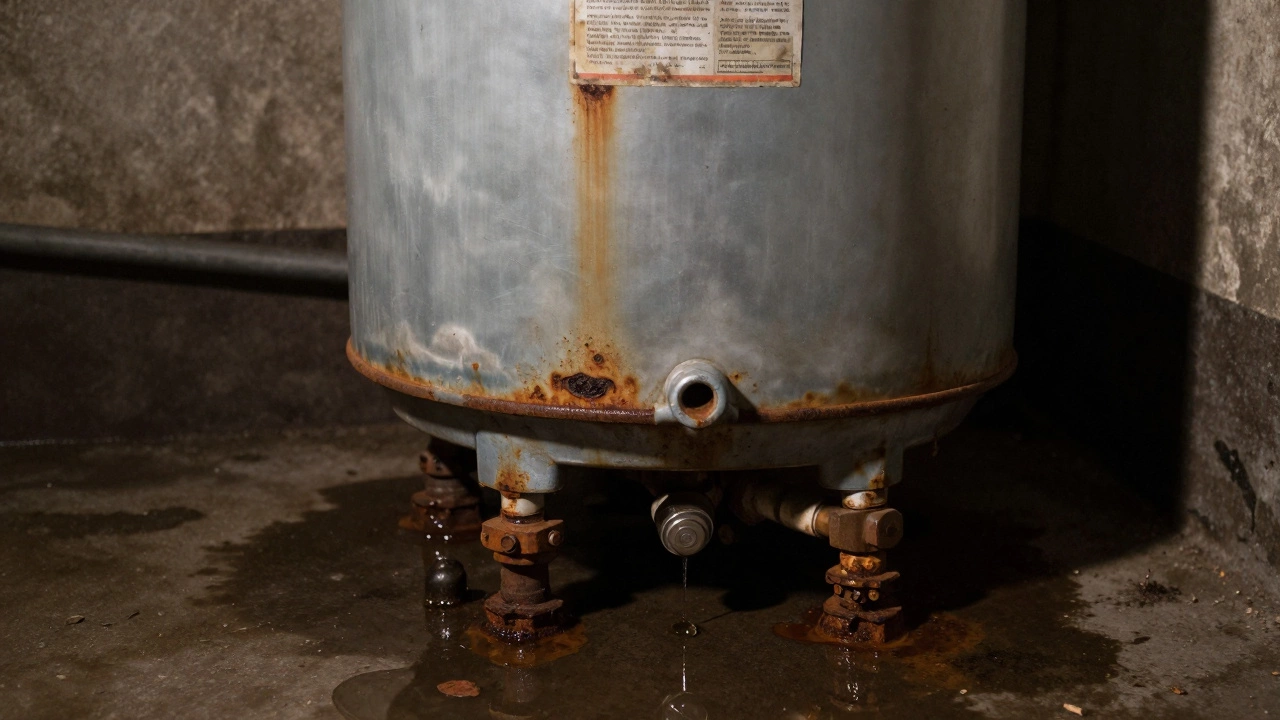
Water heaters fail in predictable ways-leaks, sediment, worn elements, or dead thermostats. Learn the top signs of failure and how to fix or replace them before it's too late.
When sediment buildup, a layer of mineral deposits that forms inside water-based appliances over time. Also known as scale or limescale, it quietly eats away at the efficiency of your water heater, dishwasher, and even your fridge’s ice maker. It’s not just dirt—it’s hardened calcium, magnesium, and rust that cling to heating elements, pipes, and tanks. And if you ignore it, it doesn’t just reduce performance—it can kill your appliance fast.
Sediment buildup is the silent killer behind many appliance failures. A water heater with thick sediment at the bottom has to work twice as hard to heat the same amount of water, which burns out the heating element sooner. That’s why so many people think their 10-year-old water heater just ‘died’—it was actually slowly suffocated by years of ignored buildup. The same thing happens in dishwashers: sediment clogs the drain pump, leaving water sitting at the bottom, which leads to mold, bad smells, and poor cleaning. Even your fridge’s water line can get blocked, causing the ice maker to stop working or the water dispenser to drip slowly. And if you’ve noticed rusty water coming out of your taps? That’s not just a plumbing issue—it’s a sign sediment’s been moving through your system and into your appliances.
It’s not just old appliances that suffer. Even newer ones can get wrecked if you live in a hard water area. The good news? Most of this damage is preventable. Flushing your water heater once a year takes 30 minutes and can add years to its life. Cleaning your dishwasher’s filter monthly stops clogs before they start. And if your fridge’s water dispenser is slow, a simple line flush might fix it without calling a technician. These aren’t fancy fixes—they’re basic maintenance tasks that most people skip until something breaks.
In the posts below, you’ll find real-world examples of how sediment buildup shows up in different appliances—and what to do about it. From diagnosing a failing water heater because of rust and noise, to fixing a dishwasher that won’t drain because of gunk in the pump, these guides show you exactly what to look for and how to act before you’re stuck with a $1,000 replacement bill. You’ll also learn why some repairs make sense and others don’t, especially when sediment has already done its damage. This isn’t theory. It’s what’s actually happening in homes in South Shields and beyond.
Water heaters fail in predictable ways-leaks, sediment, worn elements, or dead thermostats. Learn the top signs of failure and how to fix or replace them before it's too late.
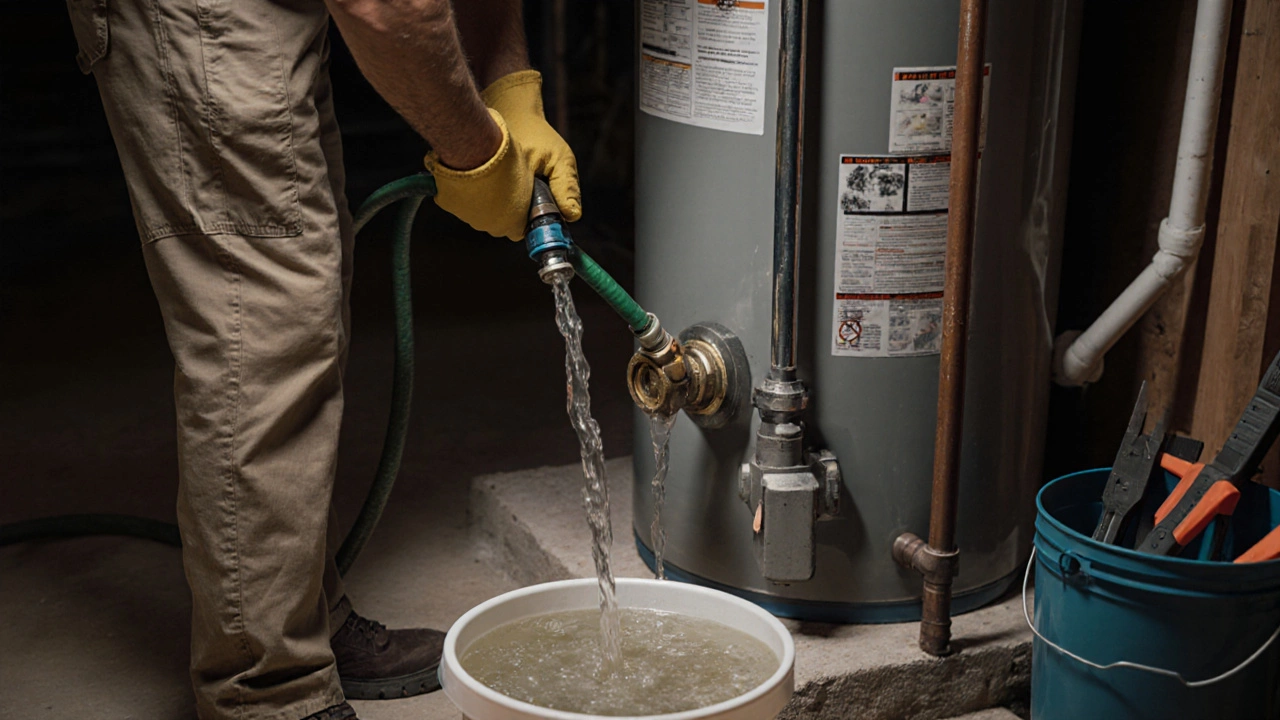
Flush your water heater once a year to prevent sediment buildup, lower energy bills, and avoid costly leaks. Learn how to do it yourself and when to call a pro.